
Shop

Downalod our app

Please provide your delivery pincode to see products available in your area
Recent Search
Curry Patta 🌿
Curry Patta is more than a kitchen essential. It is deeply connected to Indian cooking, culture, and home remedies. Fresh curry leaves have a distinct aroma when they sizzle in hot oil. They also add flavour to dals, sambhars, chutneys, and rasams. This plant is one of the most useful and rewarding plants to grow at home. It can grow in small balcony pots or larger garden spaces. The plant thrives in most Indian climates and provides fresh, fragrant leaves throughout the growing season.
About the Curry Patta Plant
Curry Patta, also known as Kadi Patta, Kari Patta, or Sweet Neem (Mitha Neem), is an aromatic shrub or small tree from the Rutaceae family. Its botanical name is Murraya koenigii. It is native to the Indian subcontinent and grows across India, Sri Lanka, Bangladesh, and Nepal.
The plant has small, dark green, glossy leaves arranged in clusters of 11 to 21 leaflets. Curry leaves have a strong aroma and a slightly bitter, nutty flavour when raw. When tempered in oil, they develop a rich, savoury flavour. They are commonly used in curries, dals, chutneys, soups, rice dishes, and other Indian recipes.
Curry Patta also has a long history in Ayurvedic practices. Its leaves contain vitamins, minerals, and antioxidants and have traditionally been used in various home remedies. This plant is mainly grown outdoors and needs plenty of direct sunlight. It grows well in balconies, terraces, courtyards, and kitchen gardens. The plant can also be grown in pots, making it suitable for homes with limited space.
Note: Curry Patta (Murraya koenigii) is different from curry powder. Curry powder is a blend of spices such as turmeric, coriander, cumin, and fenugreek. Curry leaves are a fresh herb used whole in cooking.
Curry Patta Plants Available on Urvann
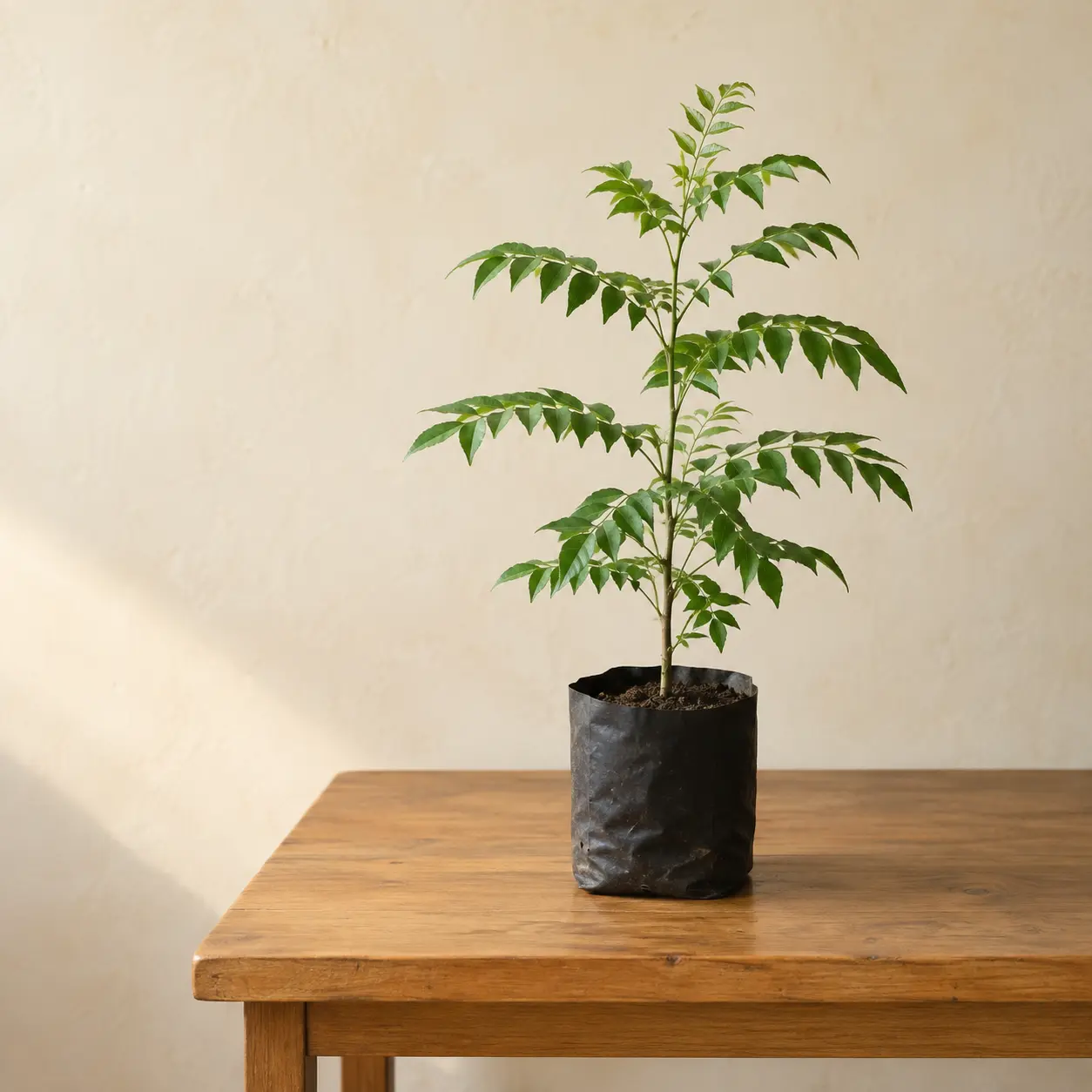
Best for: Beginners
 in 5 Inch Nursery Bag.webp)
Best for: Regular Harvest
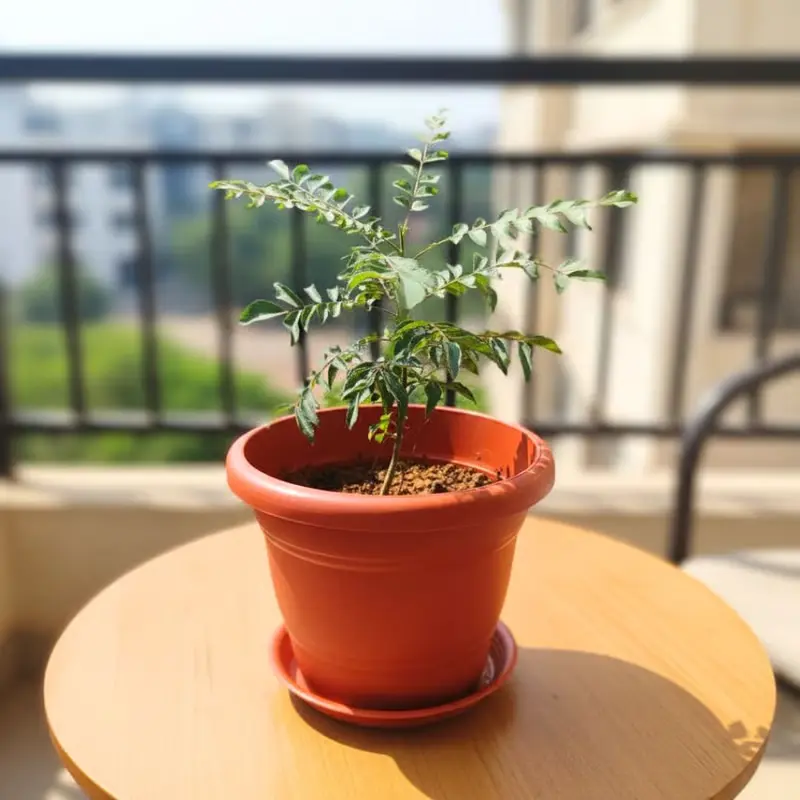
Best for: Gifting & Balcony Decor
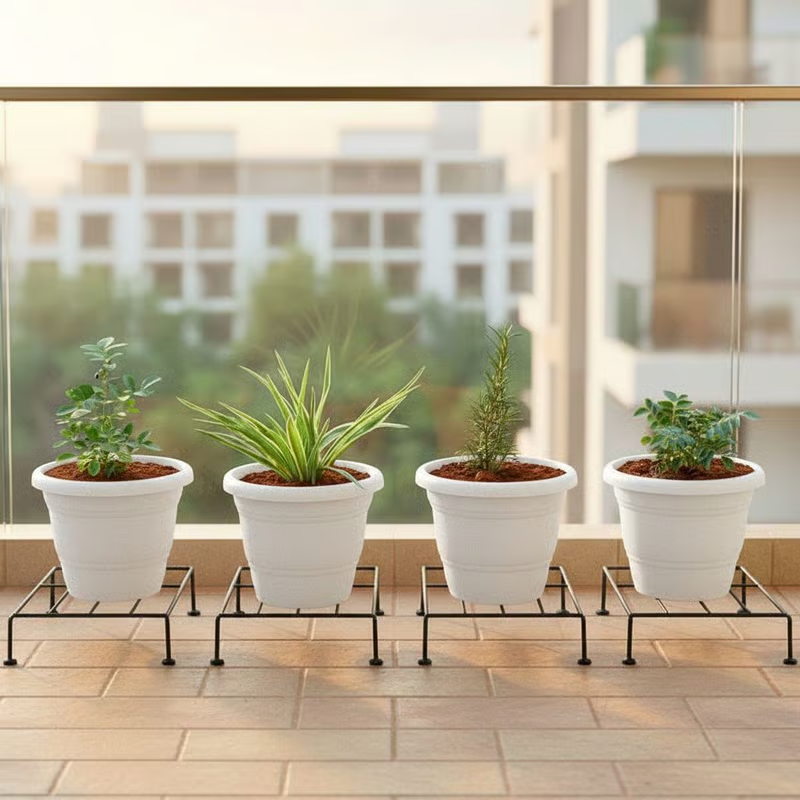
Great Value Combo
Complete Care Guide for Curry Patta Plant
🌡️ Temperature
20°C – 37°C (Ideal: 25°C – 35°C)
Curry Patta thrives in warm temperatures and grows best during spring, summer, and monsoon. It is sensitive to frost and prolonged temperatures below 10°C. In North India, growth may slow during winter, and the plant may shed some leaves. Protect potted plants from frost by moving them indoors or covering them during cold weather.
✂️ Pruning
Regular pruning is one of the most important practices for a healthy, bushy Curry Patta plant. Trim spent or weak branches, remove leggy growth, and pinch off the top to encourage side branching. Harvesting leaves regularly itself acts as a form of pruning. Heavy pruning is best done at the end of winter or early spring before new growth begins. A well-pruned plant produces more leaves than a tall, leggy one.
🌿 Cleaning Leaves
Curry Patta leaves can collect dust, especially on balconies and terraces. Occasionally spray the plant with a gentle shower of water to wash off dust and keep the foliage fresh. While cleaning, inspect the undersides of leaves for pests such as aphids, mealybugs, or whiteflies, which are common on curry leaf plants.
🌬️ Air Circulation
Good air circulation helps prevent fungal diseases and keeps the plant healthy. Place the plant in an open, well-ventilated spot. Avoid crowding it with other plants, particularly during the monsoon, as humid, stagnant air increases the risk of fungal problems and leaf spot diseases.
Light
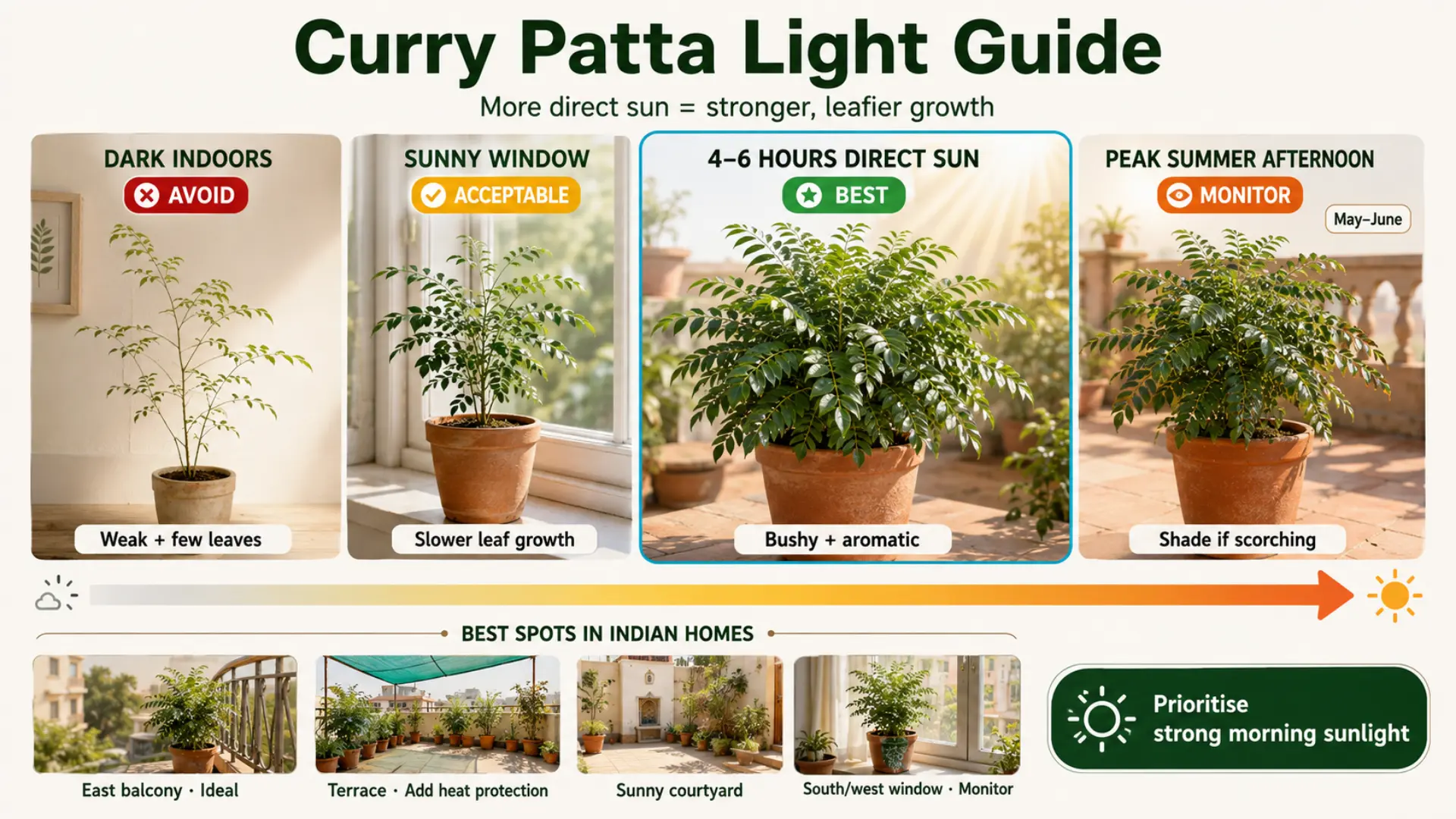
For Curry Patta, sunlight is essential, not optional. The more direct sunlight it receives, the healthier the plant grows and the more aromatic and abundant its leaves become.
Dark Indoor – Avoid
Bright Sunny Window – Acceptable
4–6 Hours of Direct Sunlight – Best
Harsh Afternoon Summer Sun – Monitor
- East-facing balcony: Ideal for gentle morning sunlight and healthy, aromatic leaf growth
- Terrace: Excellent for vigorous growth when the plant is shielded from extreme afternoon heat and strong winds
- Sunny courtyard / kitchen garden: Supports bushier growth and profuse leaf production
- Bright south/west window: Suitable, but protect from scorching during May–June
Watering – The Right Approach
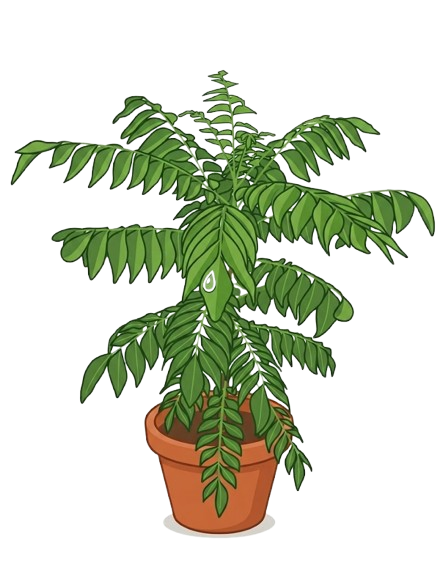
Curry Patta likes consistently moist soil but cannot tolerate standing water or waterlogged conditions. Check the top 1–2 inches of soil before watering and water only when this layer feels dry.
Soil Mix & Pot Selection
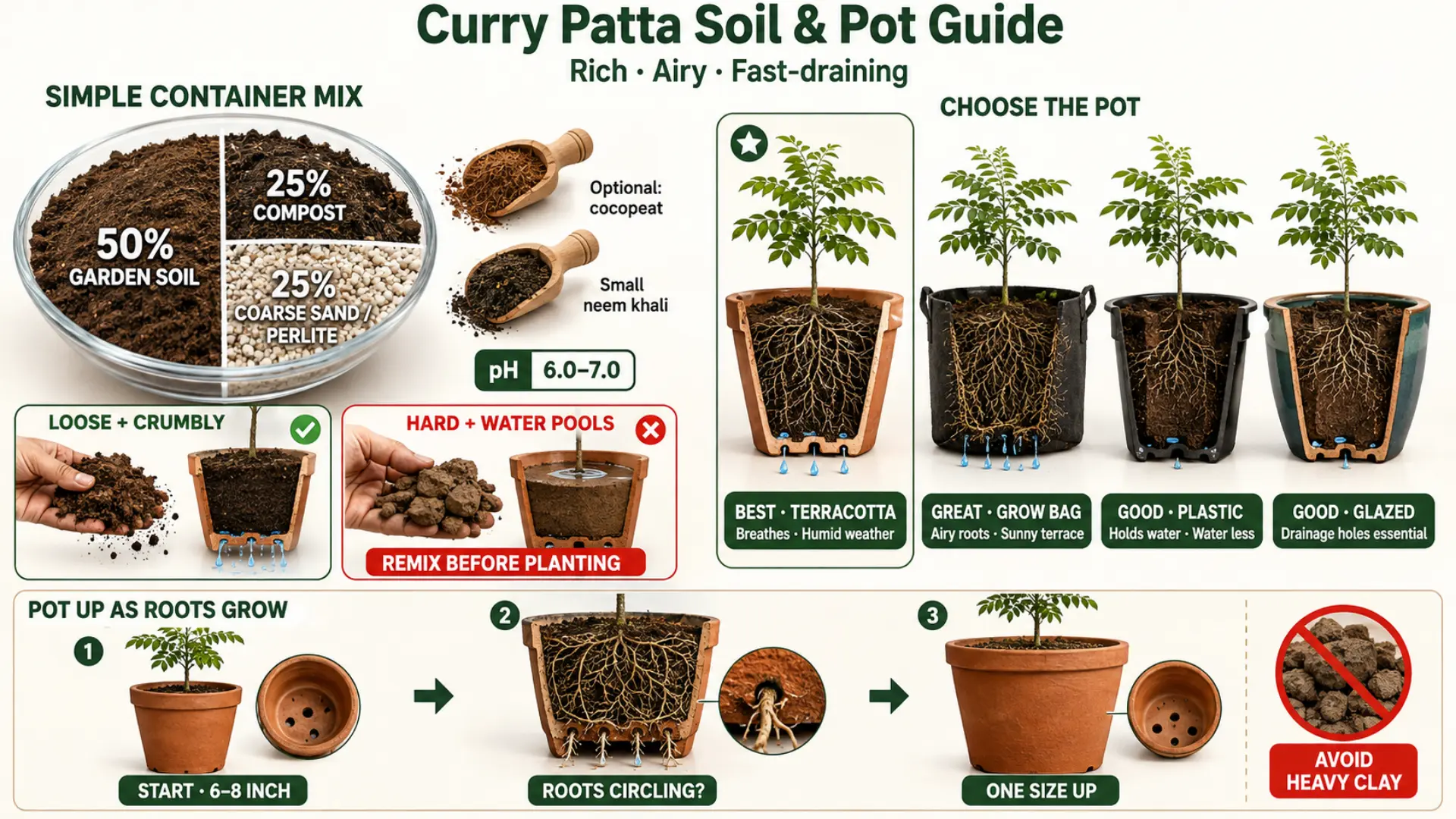
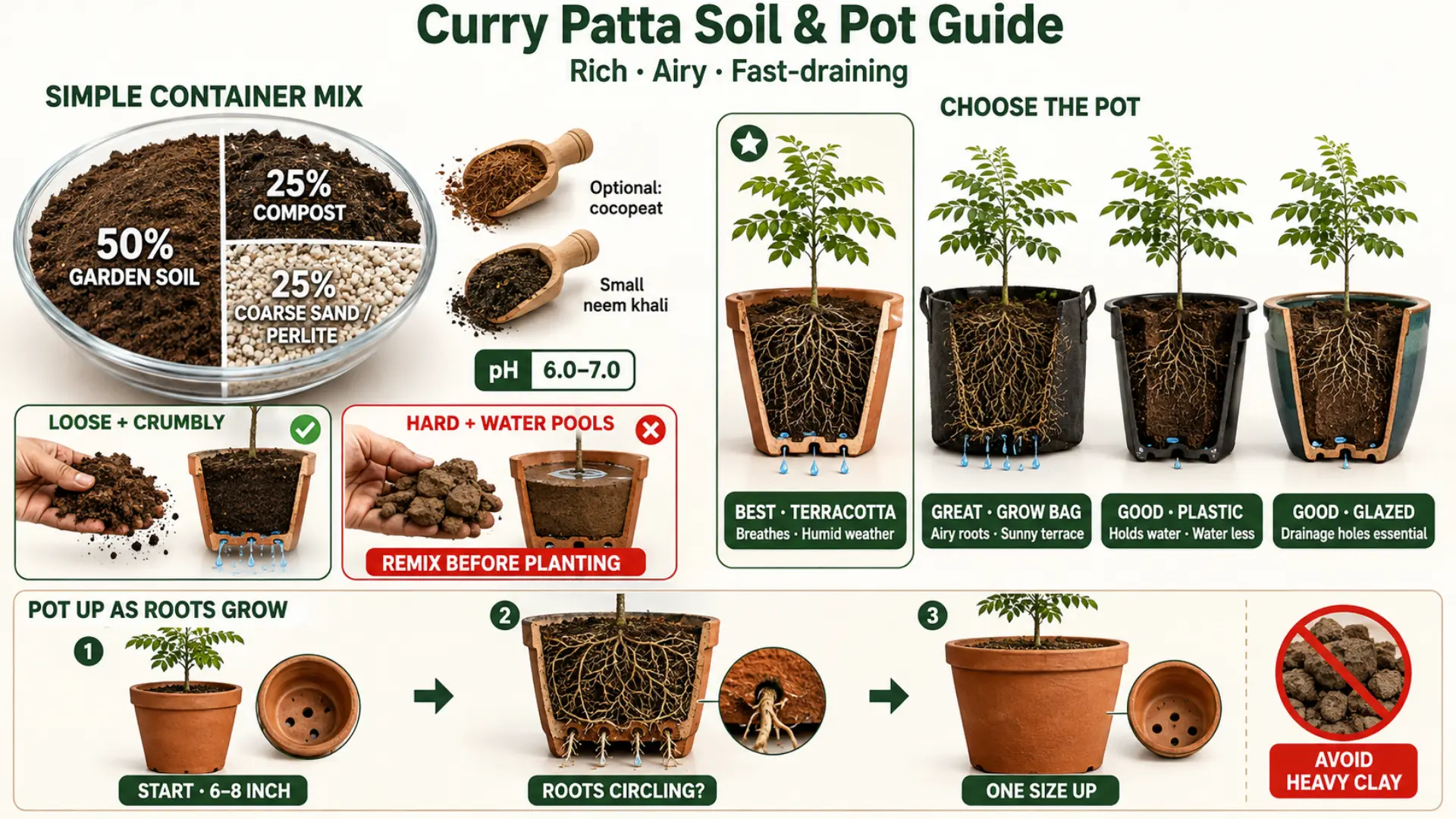
Curry Patta thrives in nutrient-rich, well-draining soil with a slightly acidic to neutral pH (6.0–7.0). Avoid waterlogged or compacted conditions.
🌱🟫 Recommended Soil Mix (Ideal for Indian Climate)
- ✅ Garden soil as the base
- ✅ Compost or vermicompost for nutrients
- ✅ Cocopeat to help retain balanced moisture
- ✅ River sand, perlite, or pumice to improve drainage
- ✅ Neem khali or organic matter to support plant health and deter pests
The soil should remain loose and airy rather than becoming hard, sticky, or compact. If water pools on the surface for too long after watering, the soil mix is likely too dense.
🟫 Alternative: Using Garden Soil
Curry Patta can grow in garden soil as long as it drains freely. For containers, combine
Avoid heavy clay or plain garden soil in pots. Curry Patta needs good drainage; compacted soil can cause root rot, yellowing leaves, and poor growth.
🪴 Choosing the Right Pot
Different pots influence moisture retention, drainage, and root development:
Tip: Curry Patta can eventually grow into a large shrub or small tree (up to 4–6 metres in the ground). For potted plants, start with a 6–8 inch pot and gradually move up in size as the plant grows. Repot when roots begin to circle the pot or grow out of the drainage holes.
 Fertilising – When, What & How Much?
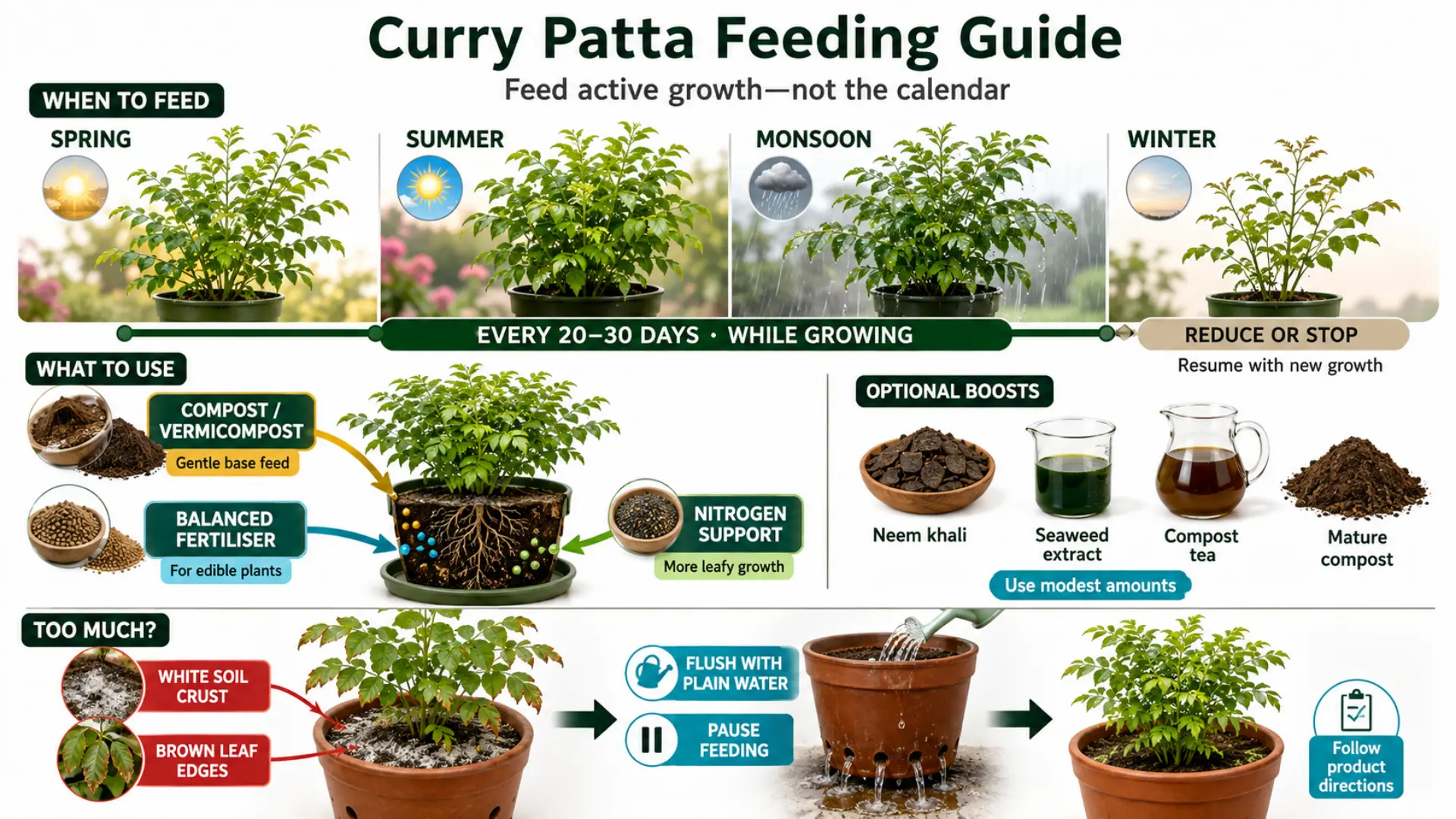
When to Feed
Fertilise Curry Patta every 20–30 days during its active growing and leaf-producing period, generally from spring through the monsoon. Reduce or stop feeding in winter when growth naturally slows.
What to Use
Apply compost, vermicompost, or a balanced fertiliser suitable for edible/leafy plants. Since Curry Patta is primarily grown for its leaves, a nitrogen-rich fertiliser encourages lusher foliage and more abundant leaf production.
Organic Options
Compost, vermicompost, neem khali, seaweed extract, and compost tea are excellent organic choices for Curry Patta. They provide steady nutrients without the risk of chemical buildup in edible leaves.
Avoid Over-Fertilising
Too much fertiliser can cause leaf burn, salt buildup, and root damage. Always follow the recommended quantities. If you notice white crust on the soil surface or leaf edges turning brown, flush the soil with plain water and hold off on feeding.
Harvesting Curry Leaves
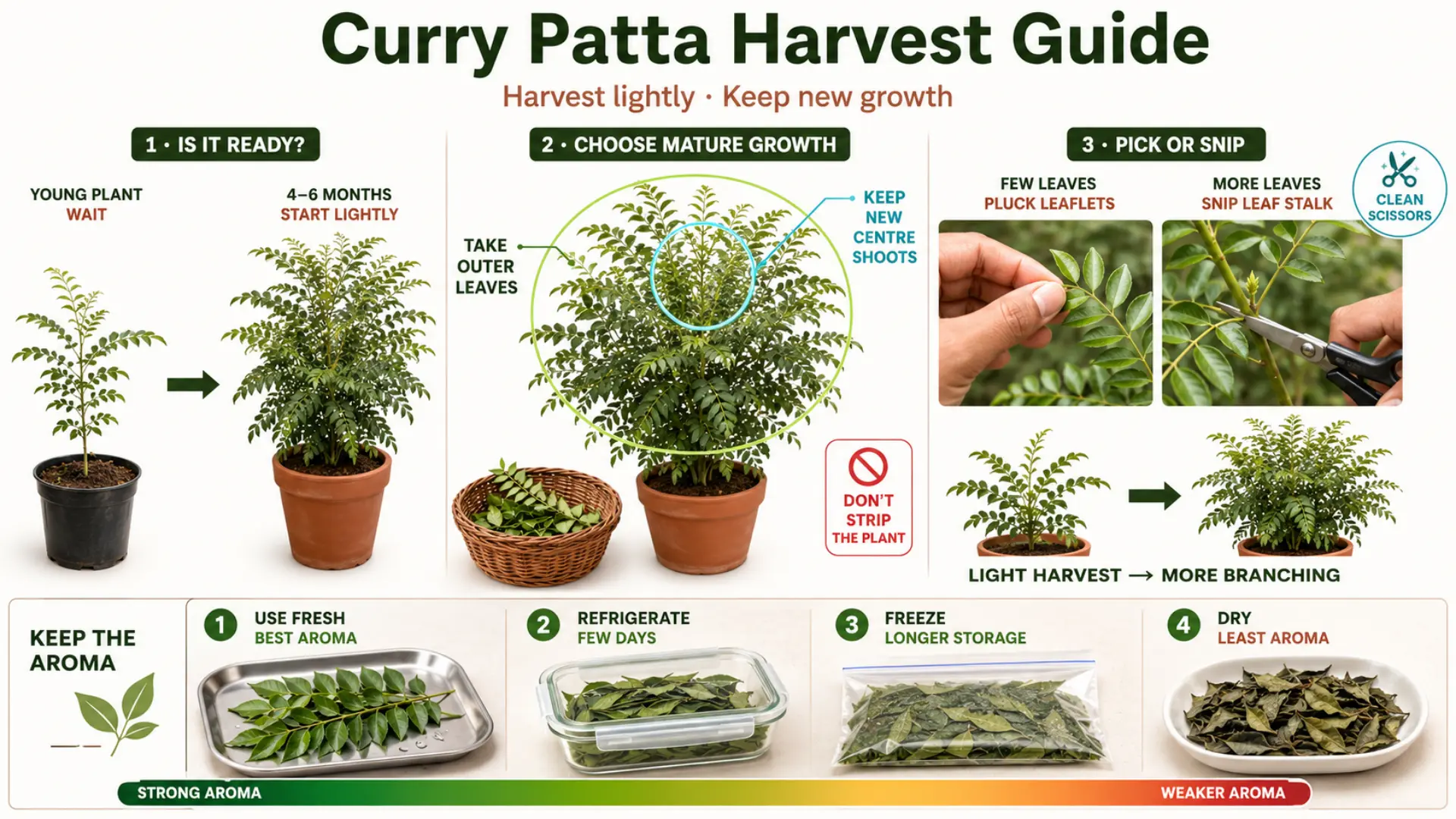
One of the best parts of growing Curry Patta is harvesting fresh leaves for your cooking. Here's how to do it right:
When to Start
Wait until the plant is well established, usually 4–6 months after planting for nursery-grown plants. Avoid heavy harvesting from very young plants.
How to Harvest
Pluck individual leaflets or snip entire leaf stems as needed. Always harvest from the outer, more mature branches. This encourages the plant to produce fresh growth from the centre.
Regular Harvesting = Bushier Growth
Frequent, light harvesting acts as natural pruning and encourages the plant to branch out and produce more leaves.
Storage
Fresh leaves are best used immediately for maximum flavour and aroma. They can be stored in the refrigerator for a few days, frozen for longer use, or dried (though drying reduces aroma significantly).
How to Care for Curry Patta Across Different Indian Climate
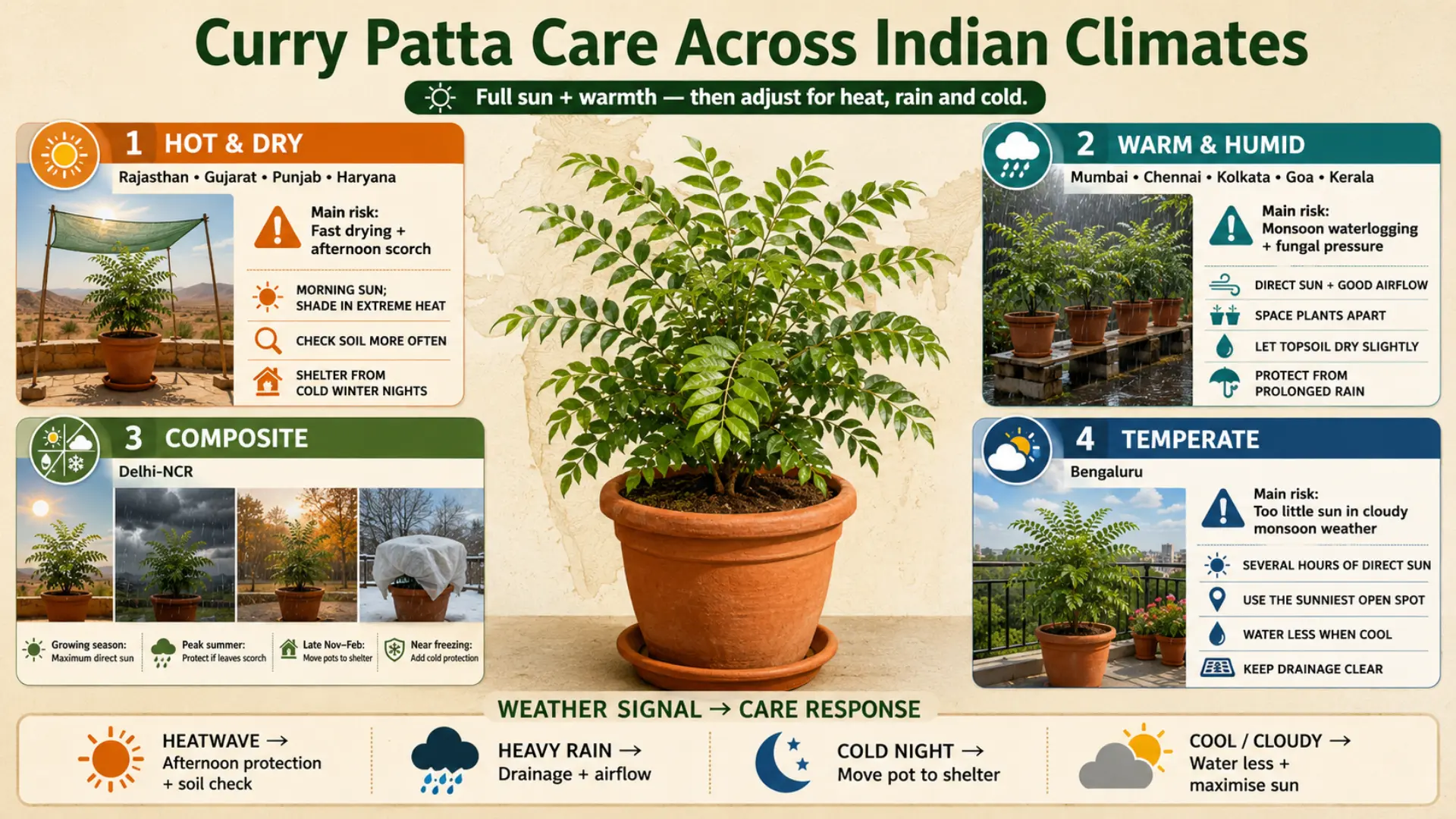
Curry Patta needs full sun and warm temperatures to grow well. It is also sensitive to frost, making regional climate important for its care.

Hot & Dry: Rajasthan, Gujarat, Punjab and Haryana
- Provide full morning sun with some afternoon protection during extreme heat.
- Check the soil regularly because it dries quickly.
- Protect the plant from cold nights during winter.
- Move potted plants indoors or to a sheltered spot when temperatures approach freezing.

Warm & Humid: Mumbai, Chennai, Kolkata, Goa and Kerala
- Provide plenty of direct sunlight and good airflow.
- Avoid keeping plants crowded together.
- Let the topsoil dry slightly between waterings.
- Protect the plant from prolonged waterlogging during heavy rain.

Composite: Delhi-NCR
- Provide maximum direct sunlight during the growing season.
- Protect the plant from harsh afternoon heat during peak summer if needed.
- Move potted plants to a sheltered location from late November through February.
- Protect the plant when temperatures approach freezing.

Temperate: Bengaluru
- Keep Curry Patta in an open, sunny location.
- Aim for several hours of direct sunlight each day.
- Watch for reduced sunlight during cloudy monsoon periods.
- Reduce watering slightly when cooler temperatures slow growth.
Benefits of Having a Curry Patta Plant at Home
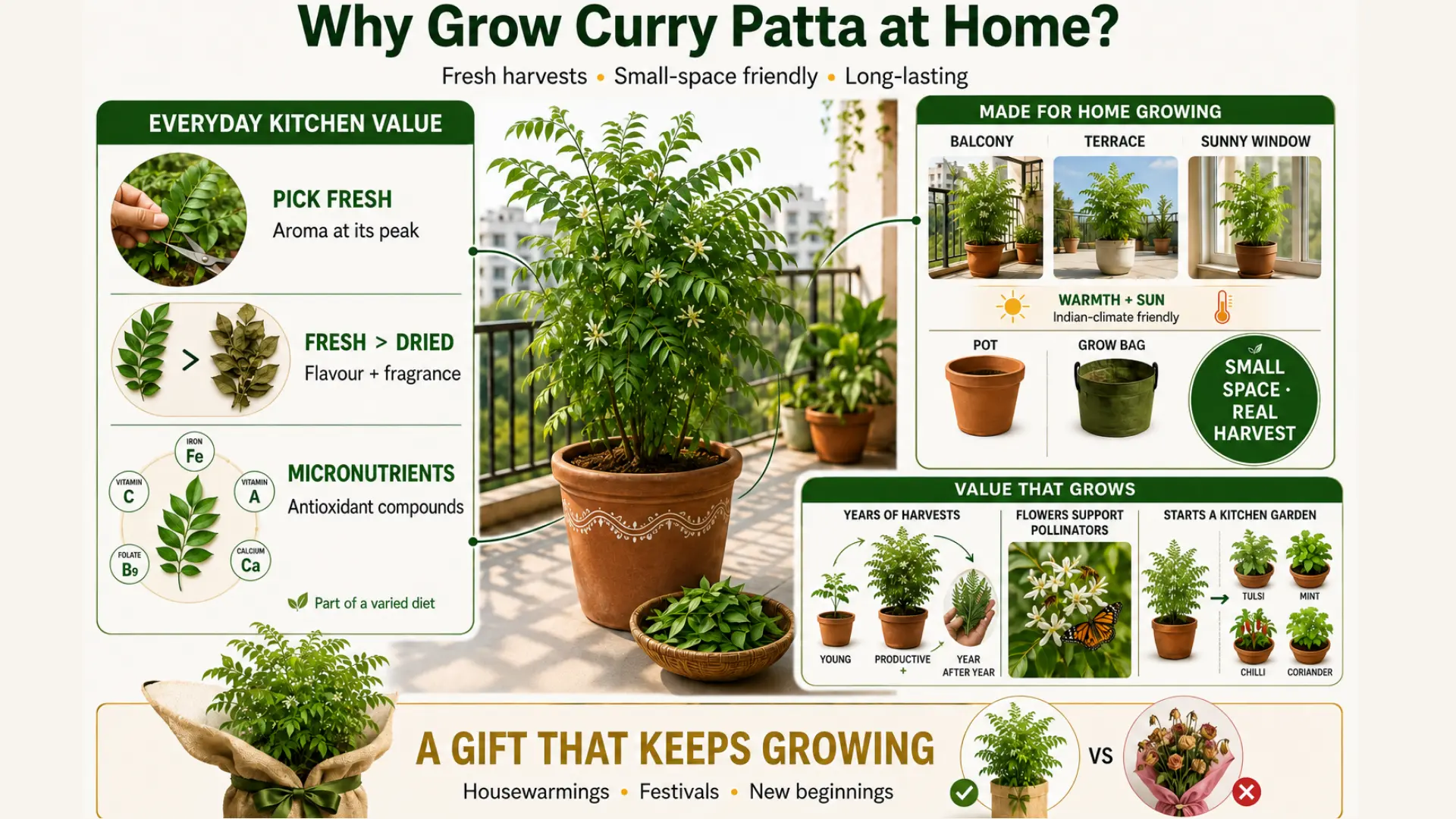
Fresh Leaves for Cooking
Grow Curry Patta at home for fresh, aromatic leaves whenever you need them. Freshly picked leaves offer better flavour and aroma than dried or store-bought leaves.
Rich in Vitamins & Nutrients
Curry leaves contain vitamins A, B, and C, along with calcium, iron, and antioxidants. They have also been traditionally used in Indian and Ayurvedic practices.
Easy to Grow in Indian Climate
Curry Patta grows well in most Indian climates with warm temperatures and plenty of sunlight. It is a practical choice for a home kitchen garden.
Grows Well in Pots & Small Spaces
You do not need a large garden to grow Curry Patta. It grows well in pots and grow bags on balconies, terraces, and sunny windowsills.
Long-Term Plant
A healthy Curry Patta plant can produce fresh leaves for many years. With proper care, it grows into a productive shrub that provides leaves season after season.
Attracts Beneficial Insects
Curry Patta produces small white flowers that can attract bees, butterflies, and other pollinators. This adds natural activity and supports biodiversity in your garden.
Promotes a Kitchen Garden Habit
Growing Curry Patta can encourage you to grow more herbs and edible plants at home. You can add Tulsi, Mint, Rosemary, Chillies, and Coriander to your garden.
Thoughtful Living Gift
A Curry Patta plant is a practical gift for housewarmings, festivals, and birthdays. Unlike a bouquet, it keeps growing and can provide fresh leaves for years.
Common Problems, Causes & Fixes
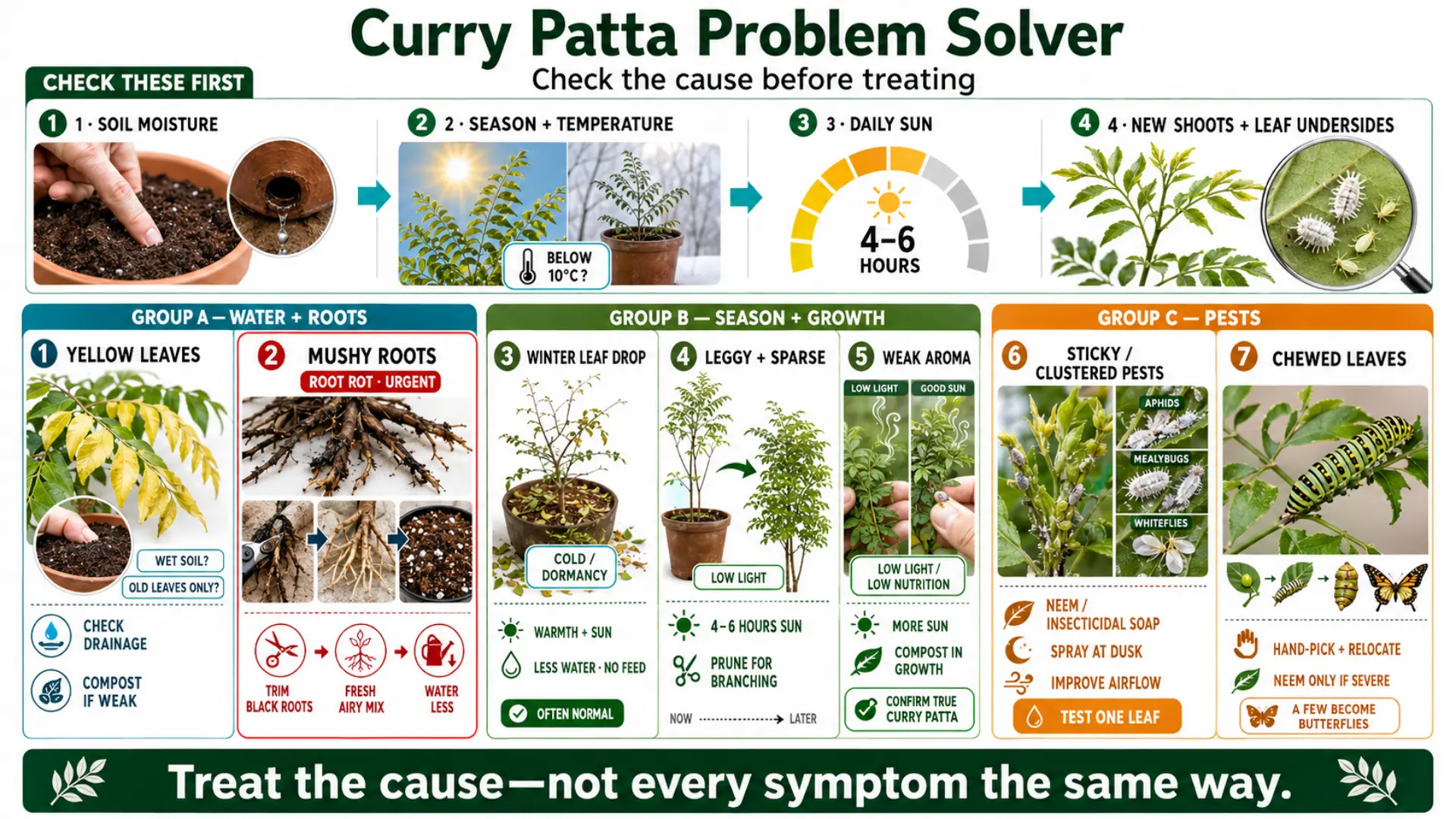

Yellow Leaves
Cause: Overwatering, poor drainage, nutrient deficiency, natural shedding of old leaves, or soil that stays wet for too long.
Fix: Check the soil before watering and ensure proper drainage. Remove yellowed leaves and add compost during the growing season if the plant looks weak or lacks vigour.
Leaves Falling Off
Cause: Cold temperatures (below 10°C), sudden environmental change, transplant shock, or the natural winter dormancy cycle.
Fix: Leaf drop in winter is normal for Curry Patta, especially in North India. The plant will produce fresh leaves in spring. During winter, reduce watering, avoid fertilising, and place the plant in the warmest, sunniest spot available.
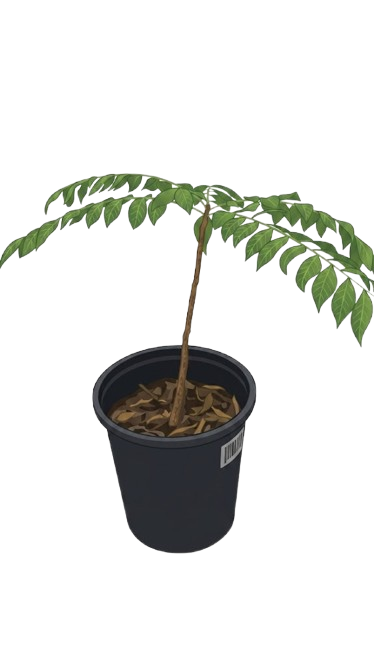
Leggy, Sparse Growth
Cause: Insufficient sunlight or lack of regular pruning.
Fix: Move the plant to a location with 4–6 hours of direct sunlight daily. Prune back leggy stems to encourage branching and bushier growth.
Leaves Not Aromatic
Cause: Insufficient sunlight, poor soil nutrition, or using the wrong variety.
Fix: Ensure the plant gets ample sunlight and feed regularly with organic compost. Fresh leaves harvested from a well-cared-for outdoor plant will always be more aromatic than those from a light-deprived indoor plant.
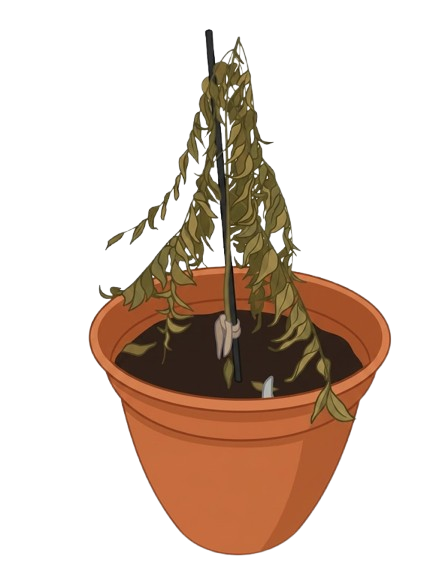
Root Rot
Cause: Constantly wet soil, poor drainage, excessive watering, or pots without drainage holes.
Fix: Remove the plant from its pot, trim away mushy or blackened roots, and repot in fresh, well-draining soil. Allow the soil to dry between waterings.
Aphids, Mealybugs & Whiteflies
Cause: Stagnant air, crowded planting, stressed growth, or pests spreading from nearby plants.
Fix: Spray with neem oil solution or a gentle soap-water mix during the evening. Improve airflow around the plant. Check new shoots and the undersides of leaves regularly, as pests tend to gather on tender growth.
Citrus Butterfly / Swallowtail Caterpillars
Cause: Curry Patta belongs to the Rutaceae (citrus) family and attracts citrus swallowtail butterflies, which lay eggs on the leaves. The caterpillars feed on the foliage.
Fix: If the infestation is light, you can hand-pick the caterpillars and relocate them. For heavier infestations, use neem oil spray. Many gardeners choose to tolerate a few caterpillars, as they eventually become beautiful butterflies.
 Vastu Shastra Placement
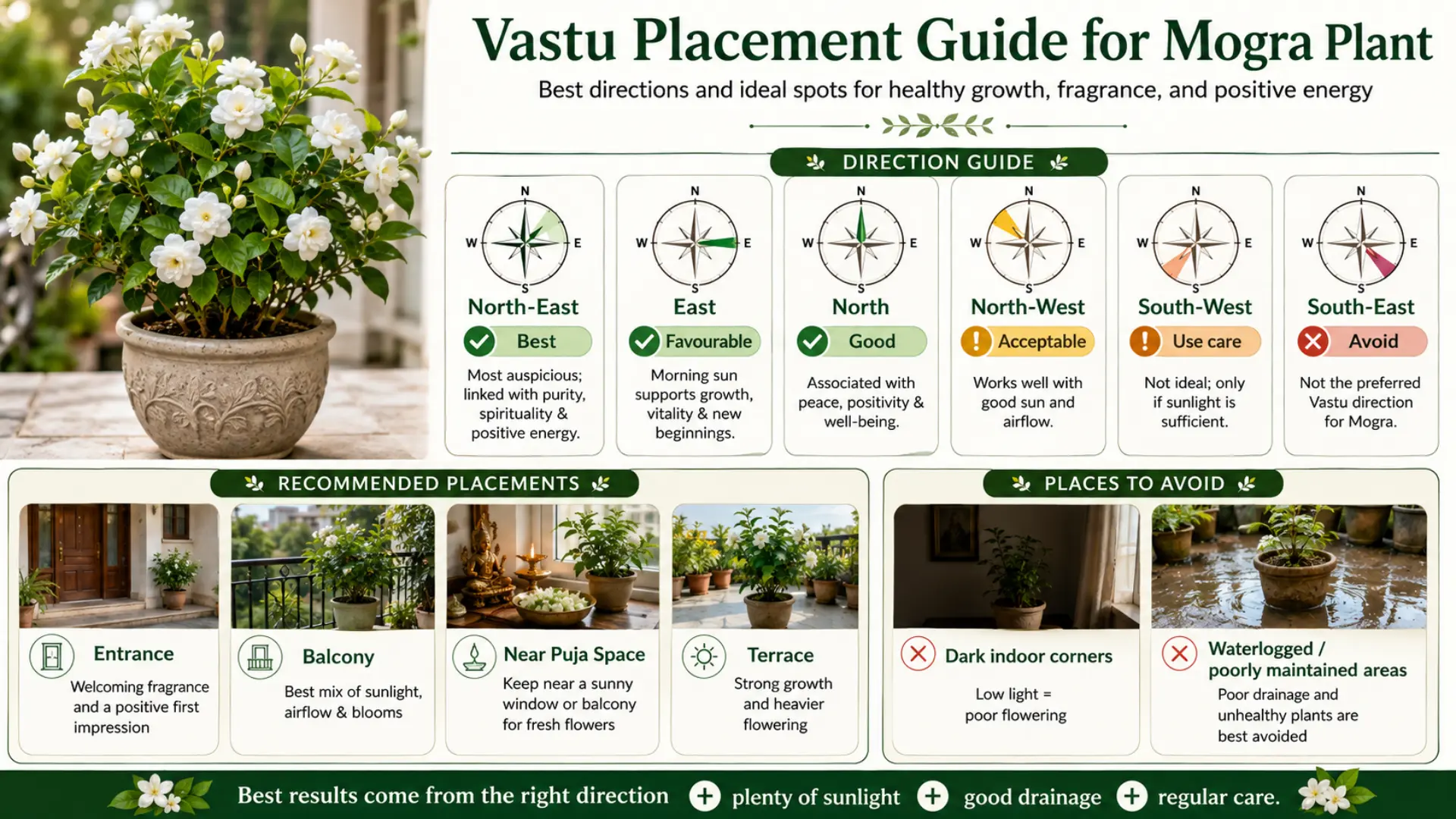
 Direction Guide for Curry Patta Plant
West ✔
The west direction is traditionally associated with the moon, which represents calmness and balance. Planting Curry Patta here is believed to enhance health, remove negative energy, and invite happiness and well-being.
South-East ✔
Linked with wealth, prosperity, and the fire element. Placing a Curry Patta plant in the southeast is believed to encourage financial growth and abundance.
North ✔
Associated with positive energy flow and well-being. A suitable direction for Curry Patta, provided the plant receives adequate sunlight.
East ✔
Offers gentle morning sunlight and is associated with new beginnings and vitality. A good placement for healthy growth.
✅ Best Placements
- Near the Kitchen — The most practical placement; fresh leaves are available within arm's reach for daily cooking.
- Balcony — Ideal for sunlight, airflow, and the space Curry Patta needs for healthy growth.
- Terrace / Courtyard — Excellent for long-term growth and bigger, bushier plants.
- Kitchen Garden — Best for regular harvesting alongside other herbs and edible plants.
❌ Places to Avoid
- Dark indoor rooms — Curry Patta needs direct sunlight and will not thrive indoors.
- Frost-exposed spots — Protect from frost, especially in North Indian winters.
- Waterlogged corners — Standing water damages roots and attracts fungal problems.
- Corners of the house — Vastu generally advises against planting trees or large plants in the corners of the home.
⚠️ Do not treat Vastu placement as a replacement for proper plant care. Even the most auspicious direction will not help if the plant does not receive sufficient sunlight, proper watering, and regular feeding.
⚠️ Toxicity & Safety
✅ Safe for Humans – Widely Used as a Food Ingredient
Curry Patta is a culinary herb used daily in millions of Indian kitchens. The leaves are safe to eat when used in cooking. They are rich in vitamins and nutrients and have a long history of use in Ayurvedic preparations.
| Who | Notes | Action |
|---|---|---|
| 🐱🐶 Cats & Dogs | Ingesting large quantities of leaves may cause mild stomach upset in some pets. | Monitor for any discomfort. Consult a vet if symptoms persist. |
| 👶 Children | Curry leaves are used as food and are generally safe. Raw leaves may taste bitter. | No special action needed unless large quantities of raw leaves are consumed. |
| 🧑 Adults | Safe for cooking and consumption. Consult a doctor if you are on blood pressure medication, as curry leaves may interact. | Use as a culinary herb in normal quantities. Consult a healthcare professional for medicinal use. |
Companion Plants — What Grows Well with Curry Patta
Curry Patta pairs well with other sun-loving herbs and plants that share similar care needs.
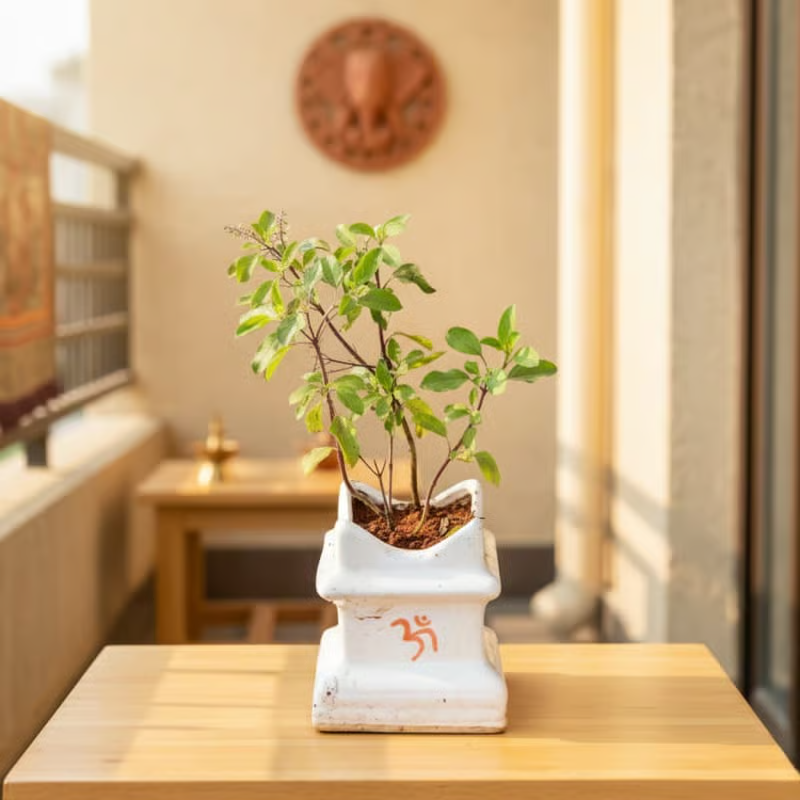
Tulsi (Holy Basil)
India's most sacred herb grows beautifully alongside Curry Patta on sunny balconies and terraces. Both plants thrive in direct sunlight and well-draining soil. Shop Tulsi plants online to create a traditional Indian herb garden.
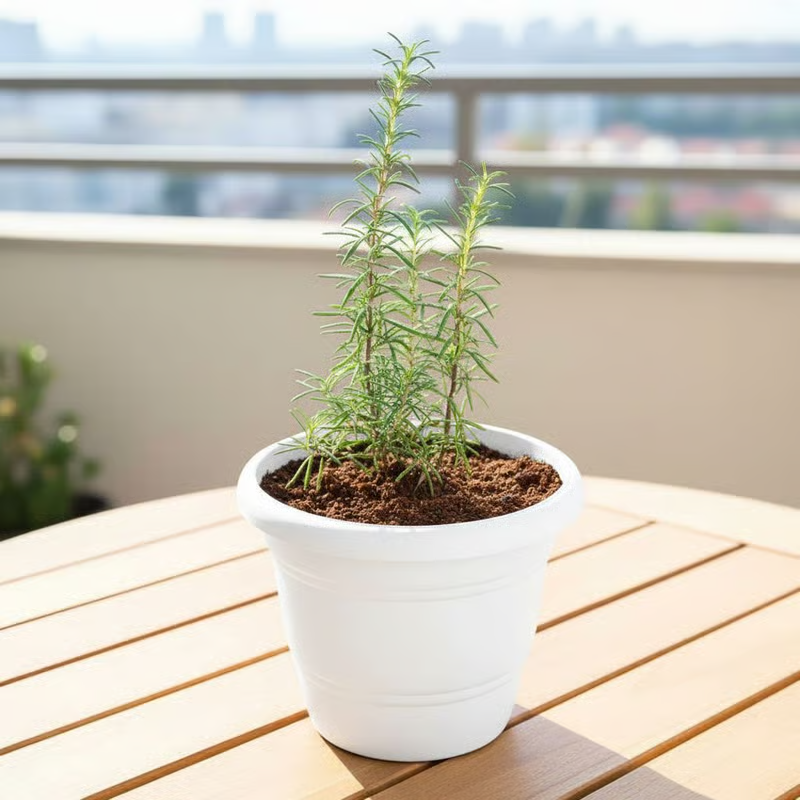
Rosemary
A fragrant culinary herb that shares Curry Patta's love of sunlight and well-drained soil. Together, they create a productive and aromatic herb corner on your balcony or terrace. Get Rosemary online from Urvann.
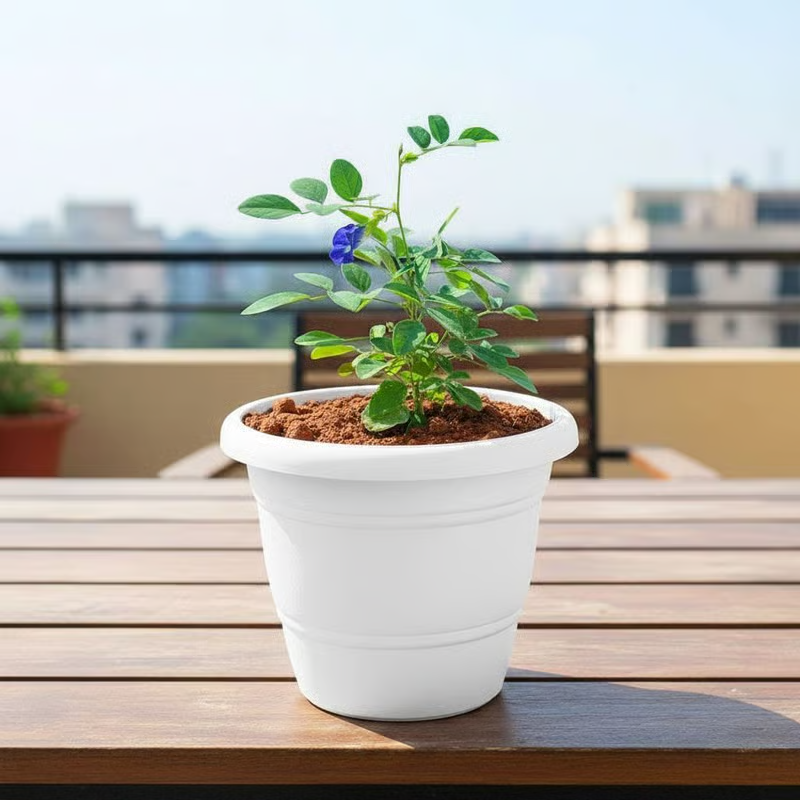
Aparajita (Butterfly Pea)
A graceful climbing vine with stunning blue/purple flowers. It adds vertical interest and colour contrast beside Curry Patta's green foliage while thriving in the same sunny conditions. Shop Aparajita online from Urvann.
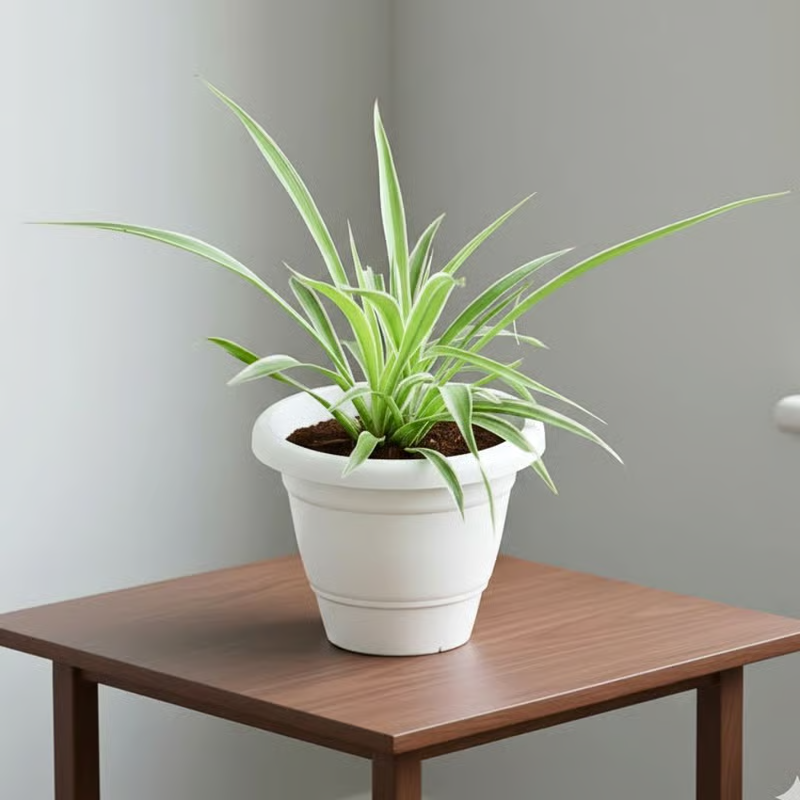
Spider Plant
A hardy, low-maintenance companion that adds texture and freshness to any plant arrangement. Its trailing habit complements Curry Patta's upright growth. Shop Spider Plants online online at Urvann.
 How to Propagate Curry Patta
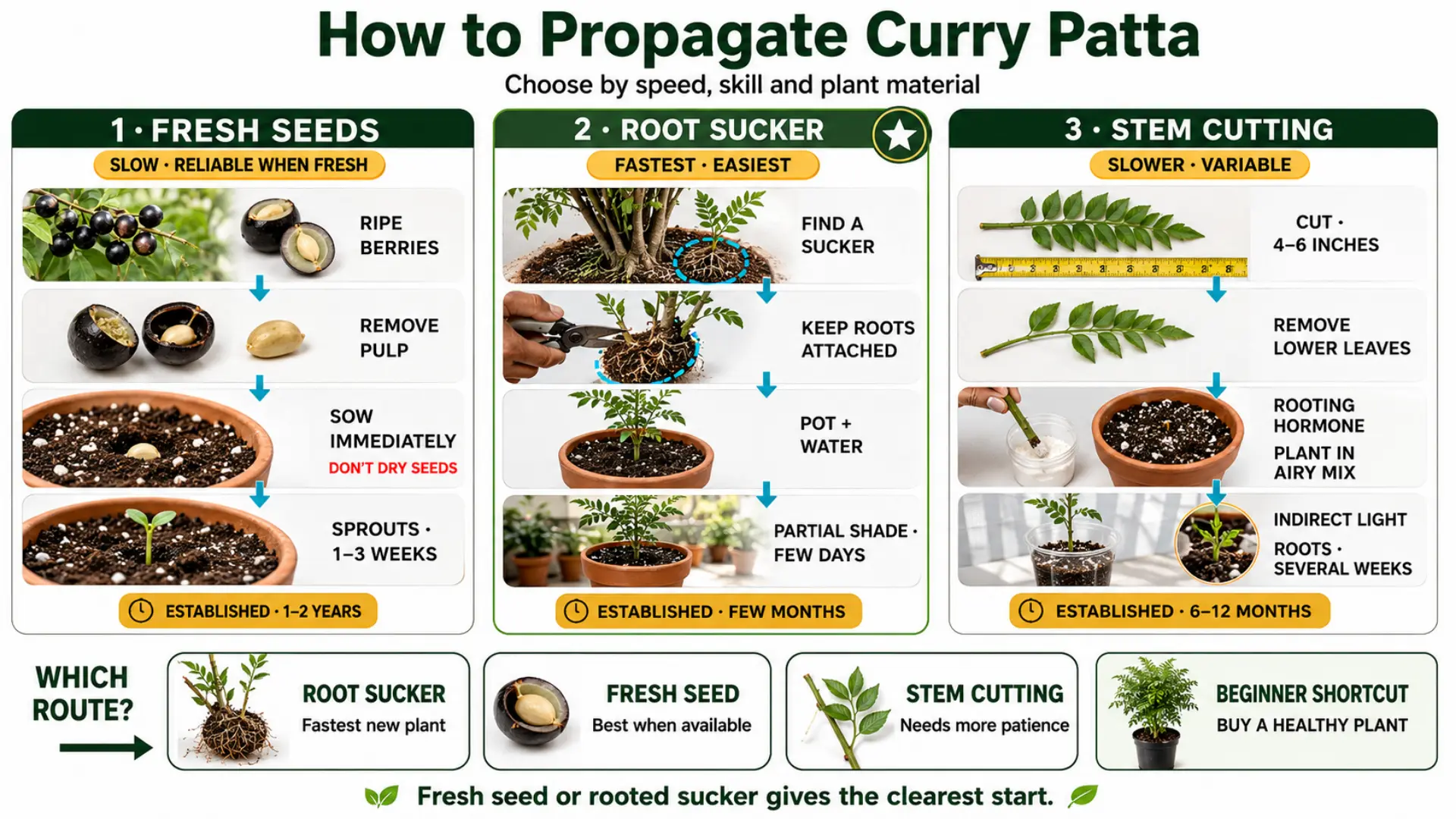
Method 1: From Seeds (Slow but Reliable)
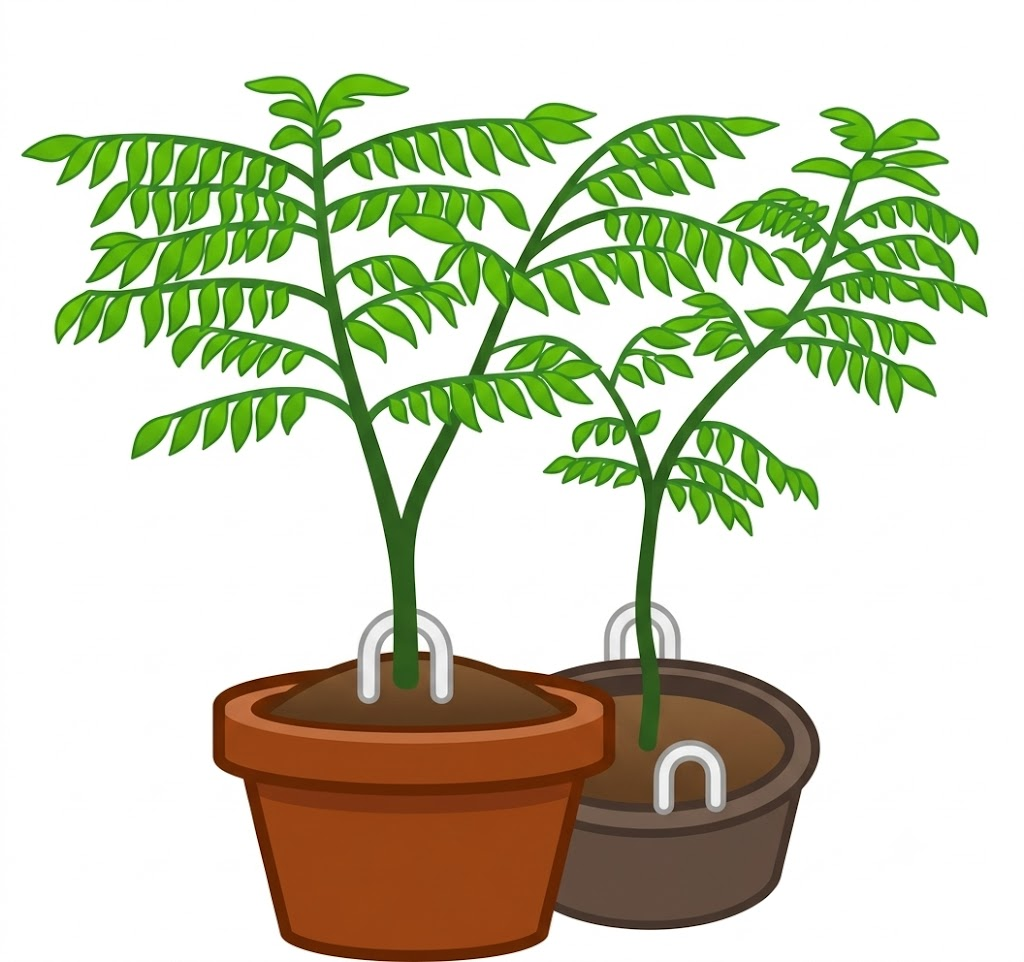
Curry Patta produces small black berries that contain seeds. Remove the outer flesh, sow the seeds immediately in moist soil (seeds lose viability quickly if dried), and place in a warm, sunny spot. Germination takes 1–3 weeks. Seed-grown plants take 1–2 years to become fully established.
Method 2: From Suckers / Root Division (Fastest)
Mature Curry Patta plants often produce suckers (new shoots emerging from the roots). Carefully separate a sucker with some roots attached, pot it in fresh soil, water well, and place in partial shade for a few days until it settles. This is the easiest way to get a new plant.
Method 3: From Stem Cuttings
Take a healthy 4–6 inch stem cutting with a few leaves, dip the cut end in rooting hormone, and plant in moist, well-draining soil. Keep the soil consistently moist and provide indirect light until new growth appears. Cuttings can take several weeks to root.