
Shop

Downalod our app

Please provide your delivery pincode to see products available in your area
Chrysanthemum 
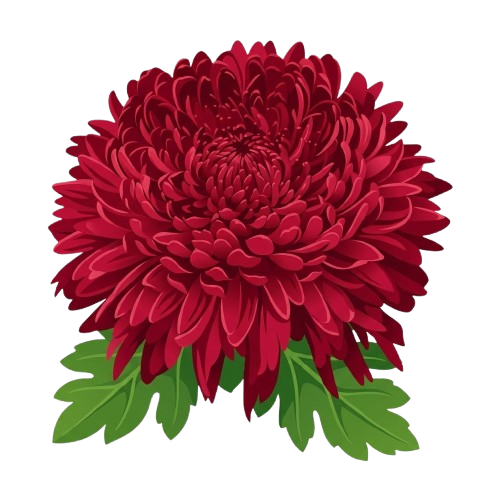
Chrysanthemum (गुलदाउदी/Guldaudi/ಸೇವಂತಿಗೆ) is one of the most popular winter-flowering plants in Indian gardens. A single Chrysanthemum plant in a pot can produce dozens to hundreds of flowers across one season, depending on the variety and how well you pinch and feed it. The plant grows well in pots, grow bags, and garden beds, making it suitable for balconies, terraces, courtyards, and compact urban gardens.
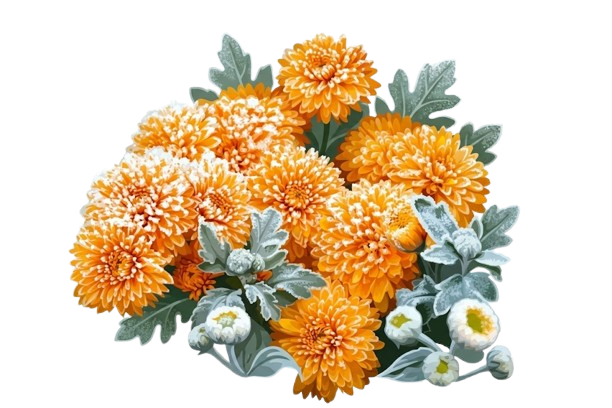 Heavy-Blooming Winter Flower
 Sun-Loving & Cool-Weather Friendly
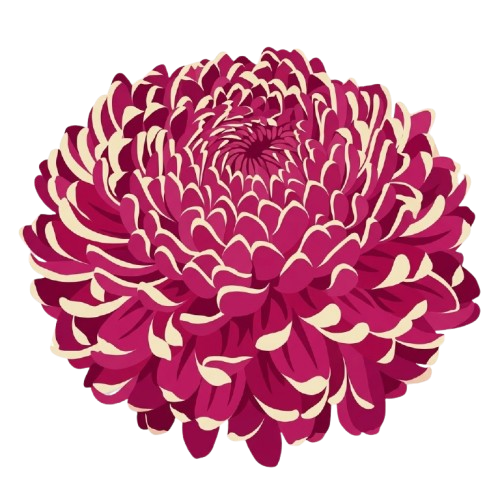 Multiple Colour Options
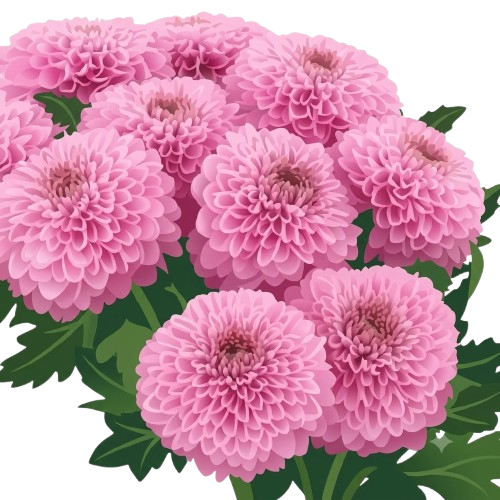 Long-Lasting Cut Flowers
About the Chrysanthemum Plant
Chrysanthemum is commonly known as Guldaudi (Hindi), Shevanti (Marathi), Chamanthi (Telugu), Sevanthi or Samanthi (Tamil), Sevanthige (Kannada), Sebati (Bengali), and Chandramallika (Bengali/Hindi). It belongs to the genus Chrysanthemum in the Asteraceae (daisy) family.
Native to East Asia, Chrysanthemum has been cultivated for over 3,000 years, starting in China. It arrived in India and became a staple of winter gardens, festivals, and the commercial flower market.
The plant typically grows 1 to 3 feet tall and 1 to 2 feet wide, depending on the variety. In India, Chrysanthemums are grown mainly during the winter season (October to February) in the plains.
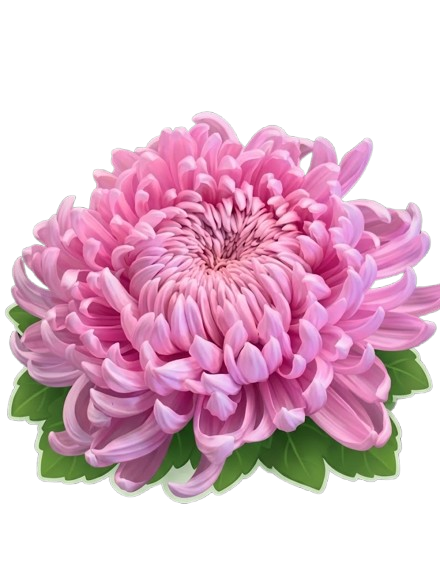 Chrysanthemum Plants Available on Urvann
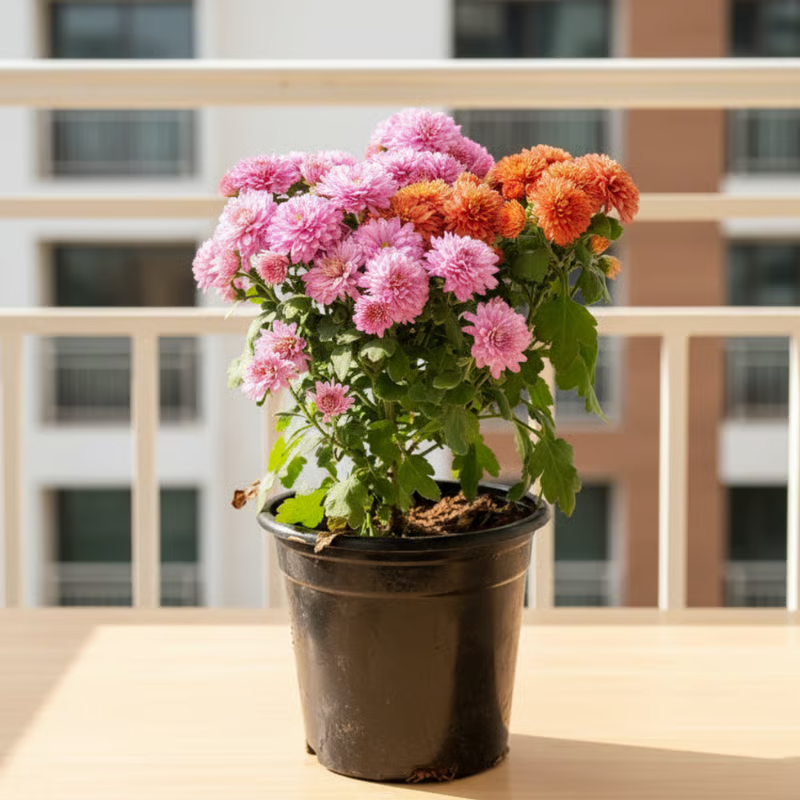
Best for: Beginners
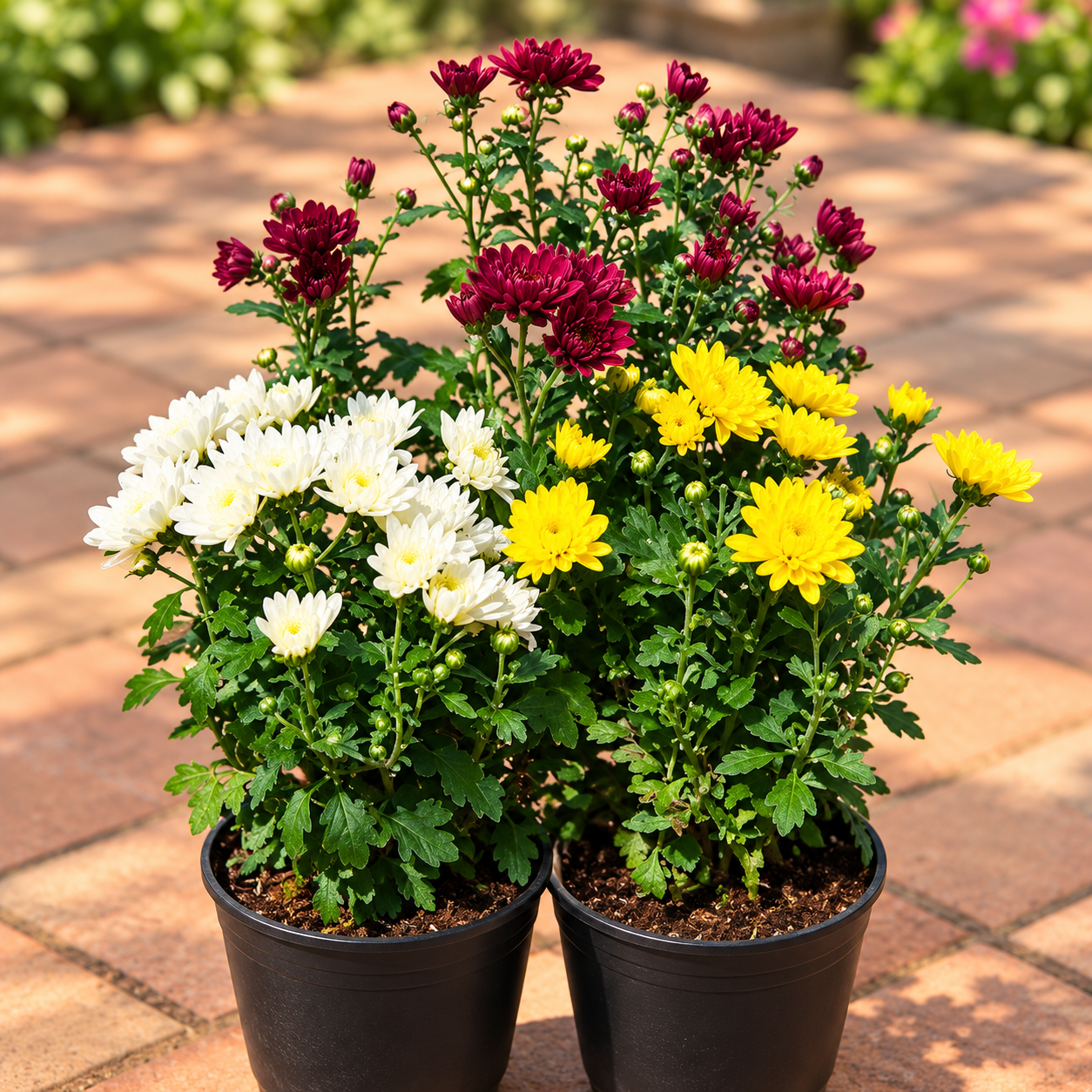
Great Value Combo
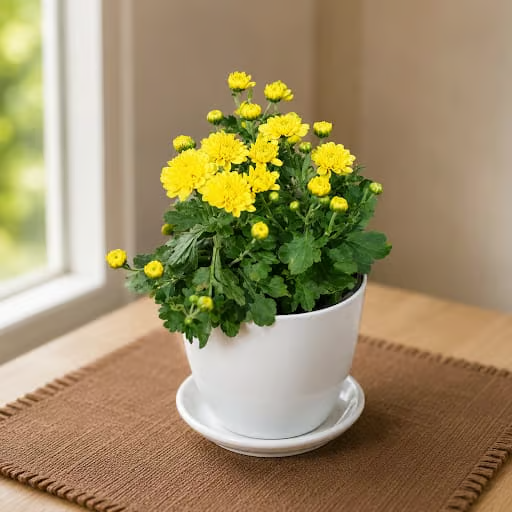
Best for: Gifting & Home Decor
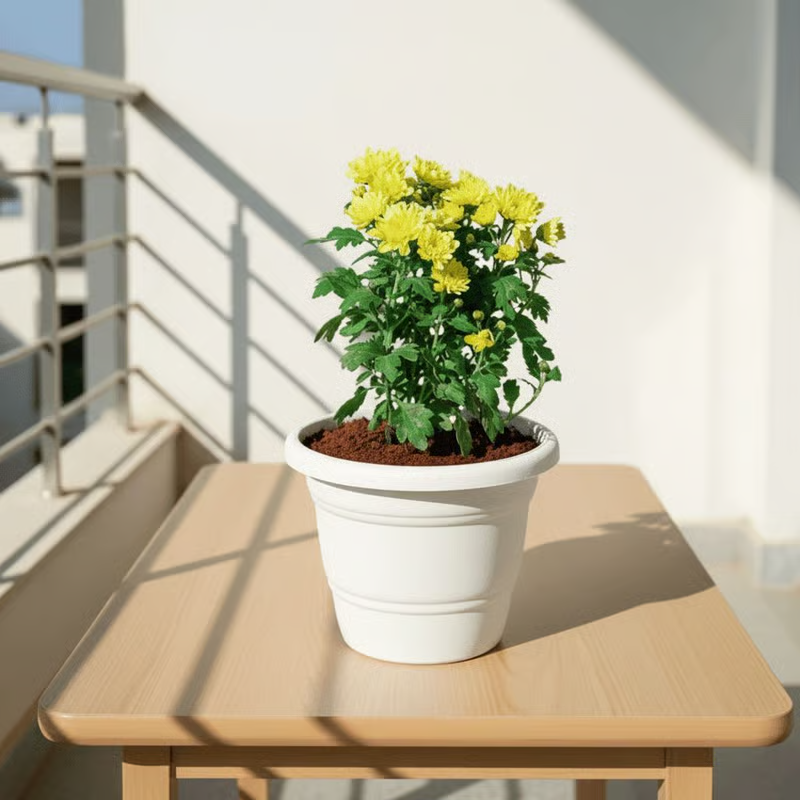
Best for: Bigger Blooms & Display
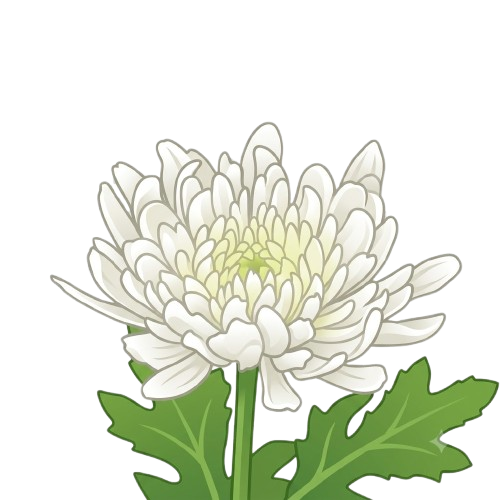 Complete Care Guide for Chrysanthemum Plant
🌡️ Temperature
15°C – 25°C (Ideal: 15°C – 20°C)
Chrysanthemum grows best in cool weather, with daytime temperatures between 15°C and 25°C. Night temperatures of 10°C to 15°C support bud formation and vibrant flower colour. Growth slows when temperatures rise above 30°C. Prolonged heat above 35°C can cause buds to drop or flowers to become smaller and pale. Chrysanthemums can tolerate mild frost but not sustained freezing temperatures.
✂️ Pruning, Pinching & Deadheading
When the plant reaches 6 to 8 inches, pinch off the top 1 inch of each growing tip. Repeat every 2 to 3 weeks until mid-November. Stop once buds form. Prune stems back to 4–6 inches from the base to encourage fresh growth next season. Deadhead faded flowers regularly. Cut overgrown or leggy stems back to just above a leaf node.
🌿 Cleaning Leaves
Chrysanthemum's deeply lobed leaves tend to trap dust and debris, particularly on balconies near roads. Use a gentle spray of water from a handheld sprayer to wash off accumulated dust. If aphids or whiteflies leave sticky residue on the leaves, spray the affected areas with 2–3 drops of neem oil mixed in 1 litre of water. Clean the foliage in the early morning so the leaves dry before evening. Wet leaves overnight can increase the risk of fungal problems. Remove any yellowing or spotted leaves immediately and discard them away from the plant.
🌬️ Air Circulation
This plant is prone to powdery mildew and leaf spot. These problems are more likely in stagnant, humid air. Space plants 18 to 24 inches apart so that air can move freely between them. Avoid clustering too many pots together in a corner. Water at the soil level rather than spraying overhead, as wet foliage in still air creates ideal conditions for fungal growth.
Light

Chrysanthemums need direct sunlight for sturdy stems and heavy flowering.
Dark Indoor – Avoid
Bright Sunny Window – Acceptable
6–8 Hours of Direct Sunlight – Best
Partial Shade – Monitor
- South-facing balcony: In India, south-facing spots receive the longest duration of direct sunlight throughout the day.
- West-facing balcony: Receives strong afternoon sunlight and works well in winter. In warmer regions, protect the plant from intense afternoon heat if the buds look stressed. Use a shade net during the hottest hours if needed.
- East-facing balcony: Receives gentle morning sunlight for 3 to 5 hours. Sufficient to sustain growth but may not produce as many flowers as a south-facing spot.
- North-facing window: Receives the least direct sunlight in the Indian subcontinent. Not suitable for Chrysanthemum.
- Terrace: Open terraces get full sunlight, making them the best outdoor location. In peak summer heat, provide light afternoon shade if maintaining the plant as a perennial.
 Watering – The Right Approach
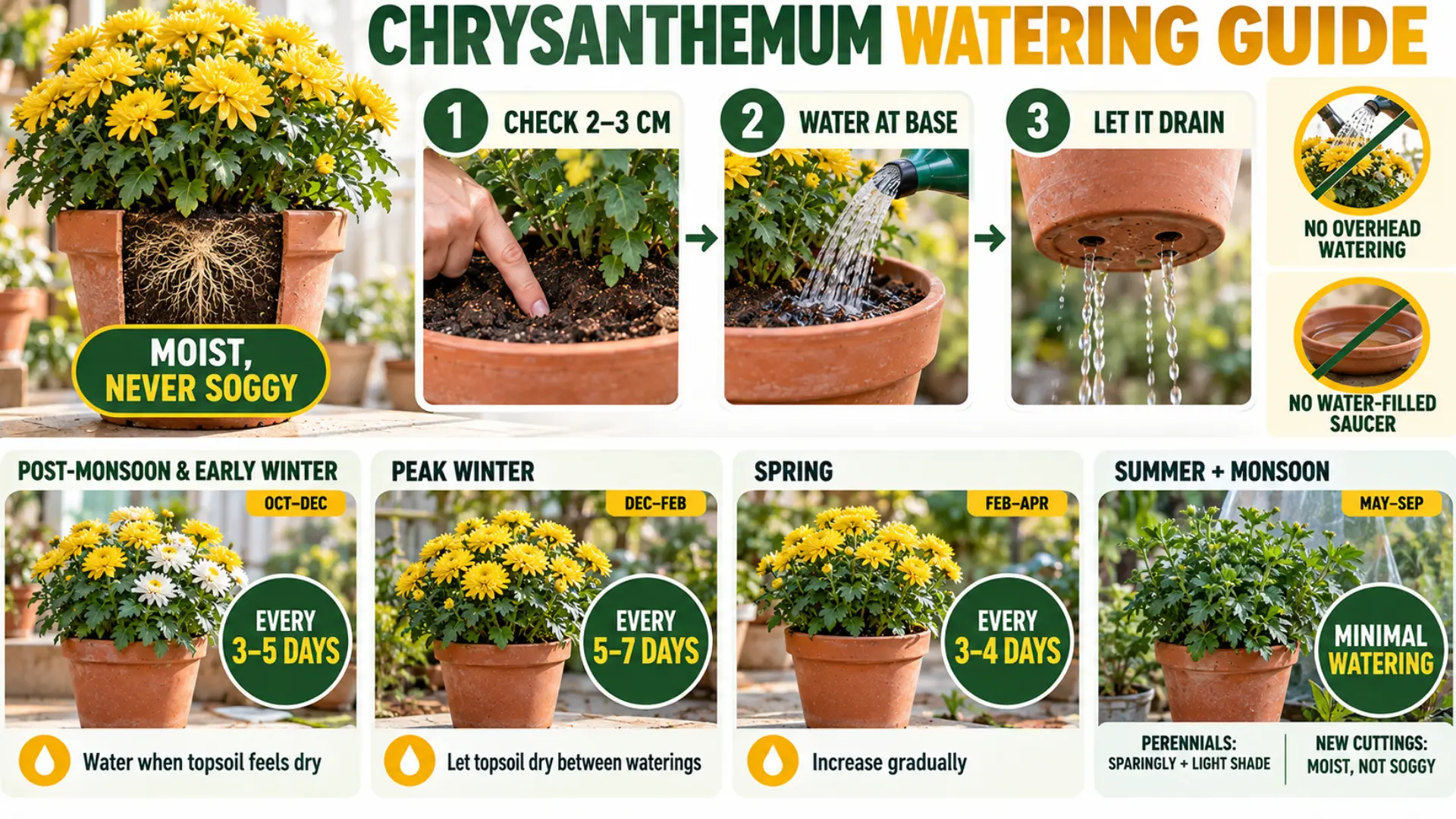
Chrysanthemum has a shallow root system that dries out faster than deep-rooted plants but is also more vulnerable to sitting in wet soil. Water deeply when the top 2–3 cm of soil feels dry.
 Soil Mix & Pot Selection
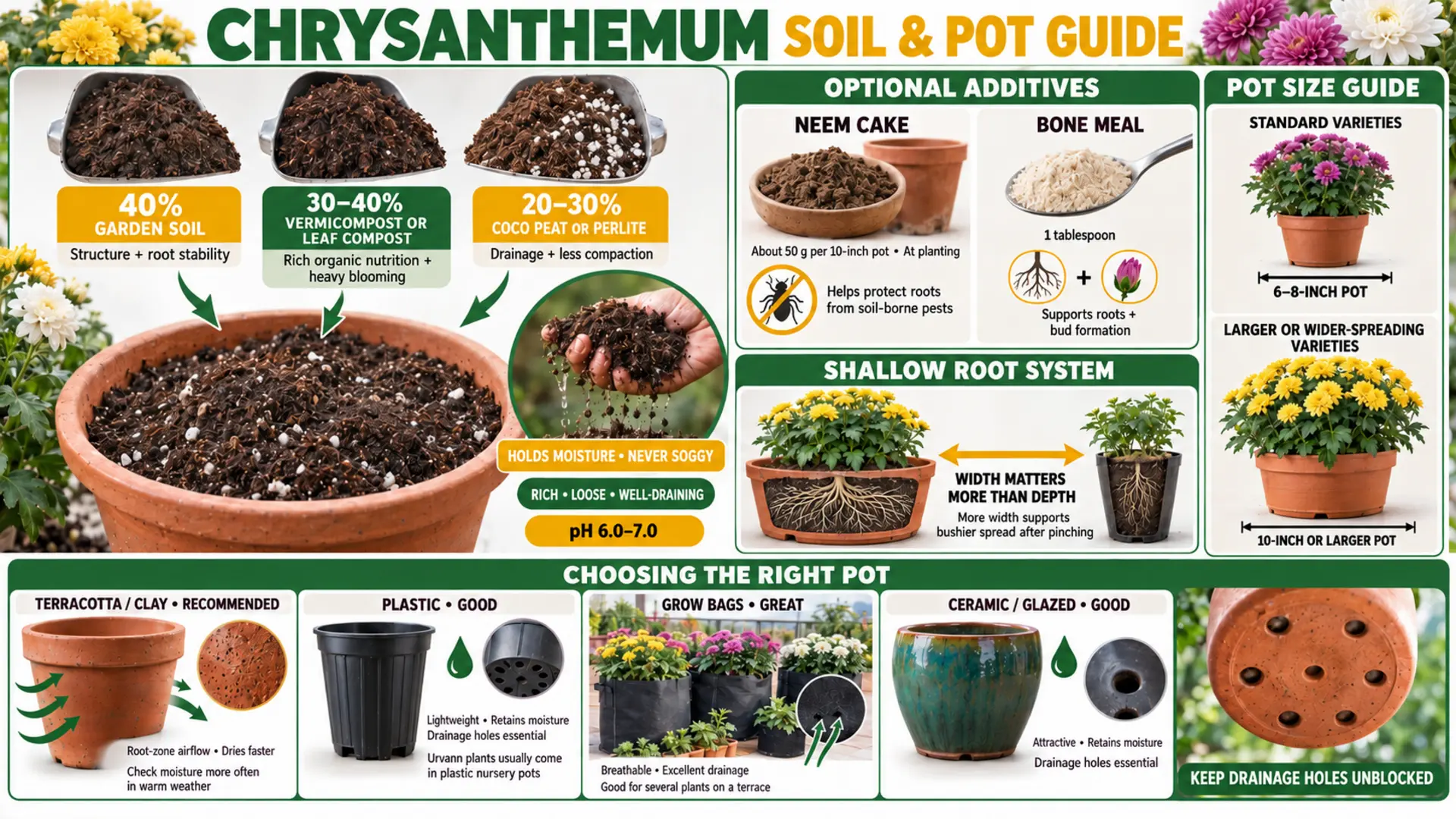
Chrysanthemum performs best in rich, loose, well-draining soil with a slightly acidic to neutral pH (6.0–7.0).
🌱🟫 Recommended Soil Mix (Ideal for Indian Climate)
- ✅ Garden Soil (40%) provides structure and stability to the root system
- ✅ Vermicompost (30–40%) provides the rich organic nutrition Chrysanthemum needs for heavy blooming
- ✅ Coco Peat or Perlite (20–30%) improves drainage and prevents the soil from becoming compacted
Leaf compost can be used in place of vermicompost if that is easier to source. The key principle is that the soil should hold moisture without staying soggy.
🟫 Optional Additives
Mix in a handful of neem cake powder (about 50 g per 10-inch pot) at planting time to protect roots from soil-borne pests. A tablespoon of bone meal supports root development and bud formation.
🪴 Choosing the Right Pot
Chrysanthemum has a relatively shallow root system, so width matters more than depth. A wider pot also helps with the plant's tendency to spread as it grows bushier through pinching.
Tip: For standard garden Chrysanthemum varieties, a 6–8 inch pot works well. If you are growing a larger variety or want the plant to spread wider, use a 10-inch or larger pot. Always ensure the pot has unblocked drainage holes at the base.
 Fertilising – When, What & How Much?
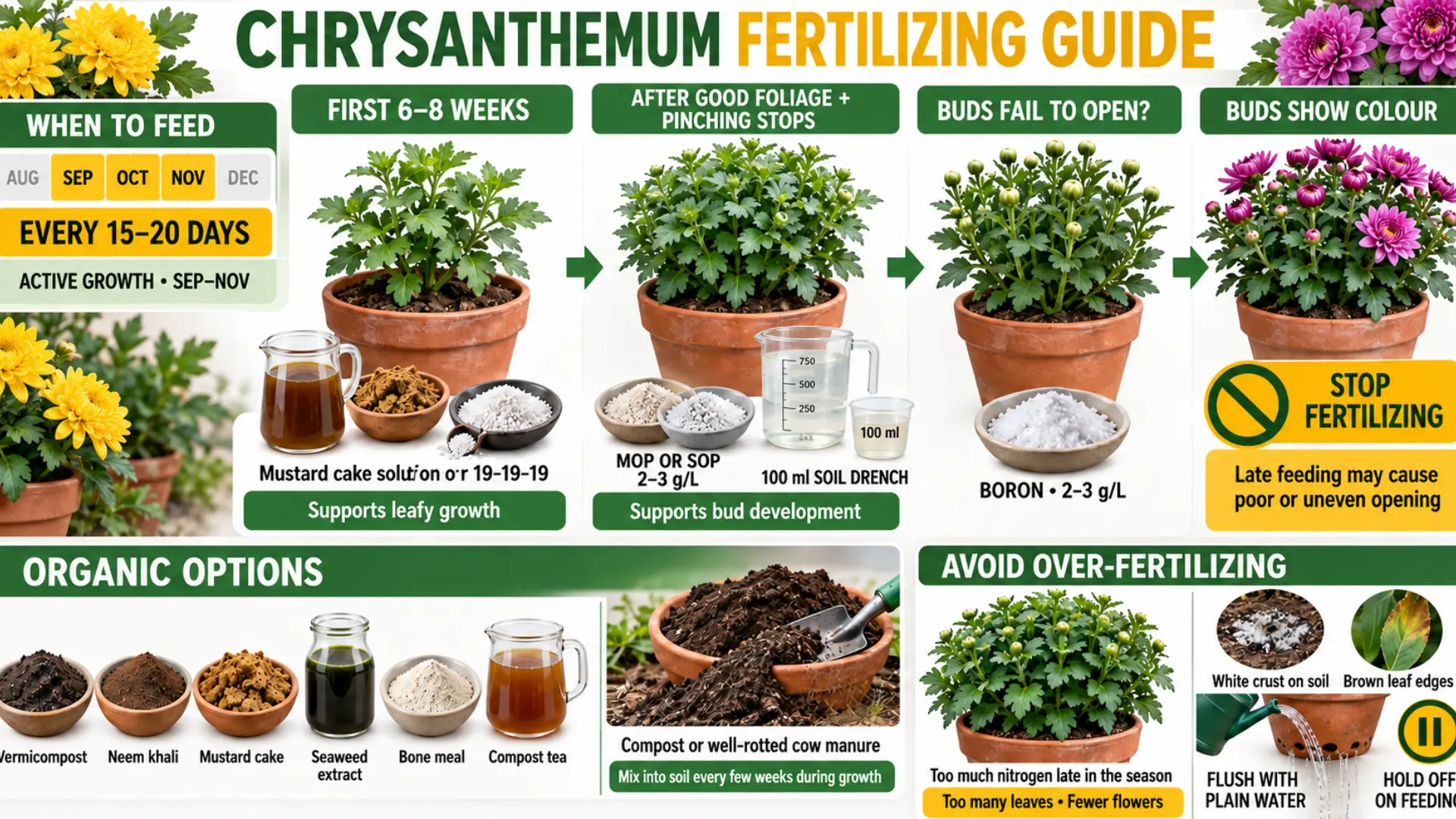
When to Feed
Fertilize Chrysanthemums every 15–20 days during their active growing period (September to November). Once flower buds begin to show colour, stop fertilizing. Applying fertilizer after the buds have matured can interfere with flower development and may cause flowers to open poorly or unevenly.
What to Use
During the first 6–8 weeks, use nitrogen-based feeds like mustard cake solution or 19-19-19 for leafy growth. Once the plant has developed good foliage and you have stopped pinching, switch to MOP or SOP. Use 2–3 g/L as a soil drench, applying 100 ml per plant. If buds fail to open, apply boron at 2–3 g/L.
Organic Options
Vermicompost, neem khali, mustard cake (sarson ki khali), seaweed extract, bone meal, and compost tea are all useful organic feeds. Mix compost or well-rotted cow manure into the soil every few weeks during the growing phase.
Avoid Over-Fertilizing
Too much nitrogen late in the season can encourage leafy growth at the expense of flowers. If you notice a white crust on the soil surface or brown leaf edges, flush the soil with plain water and hold off on feeding.
How to Care for Chrysanthemum Across Different Indian Climates
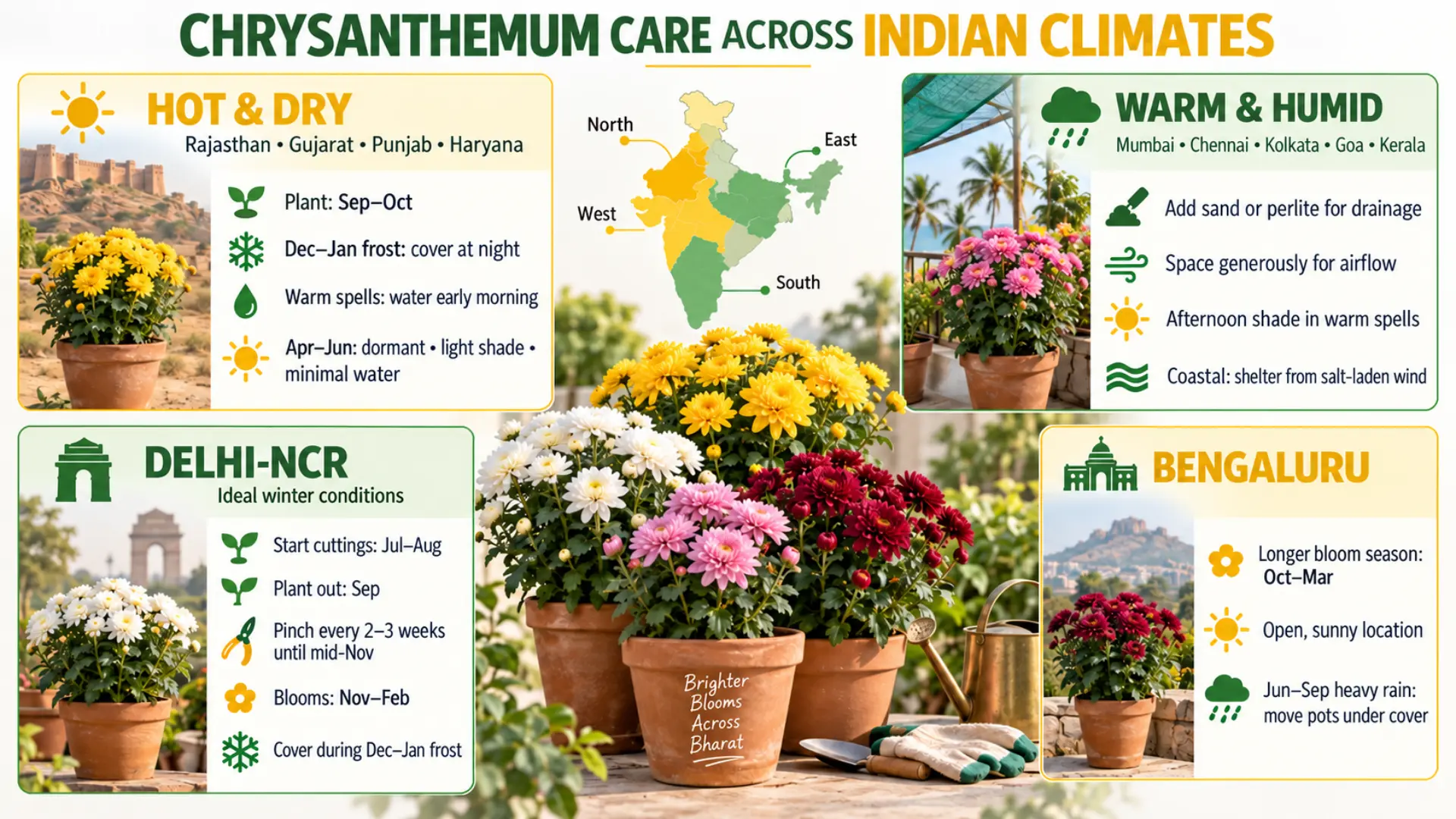

Hot & Dry: Rajasthan, Gujarat, Punjab and Haryana
- Plant rooted cuttings or nursery plants in September–October for winter blooms.
- Protect plants from frost in December–January by covering them at night or moving pots indoors.
- Water early in the morning during warm spells.
- In extreme heat (April–June), Chrysanthemum goes dormant. Maintain perennial stock in light shade with minimal watering.

Warm & Humid: Mumbai, Chennai, Kolkata, Goa and Kerala
- Use extra sand or perlite in the soil mix to improve drainage.
- Space plants generously for airflow and to reduce powdery mildew risk.
- Provide some afternoon shade during warm spells to help flowers last longer.
- In coastal areas, protect from salt-laden wind by placing the plant behind a barrier or wall.

Hot Summer & Cool Winters: Delhi-NCR
- Start cuttings or suckers in July–August for planting out in September.
- Pinch plants every 2–3 weeks until mid-November.
- Protect from occasional December–January frost by covering plants at night.
- Chrysanthemums bloom prolifically from November through February in Delhi.

Temperate: Bengaluru
- The milder temperatures mean the flowering season can extend from October through March.
- Keep Chrysanthemums in an open, sunny location.
- Protect potted plants from heavy monsoon rain (June–September) by moving them under a covered area.
 Benefits of Growing Chrysanthemum Plant at Home
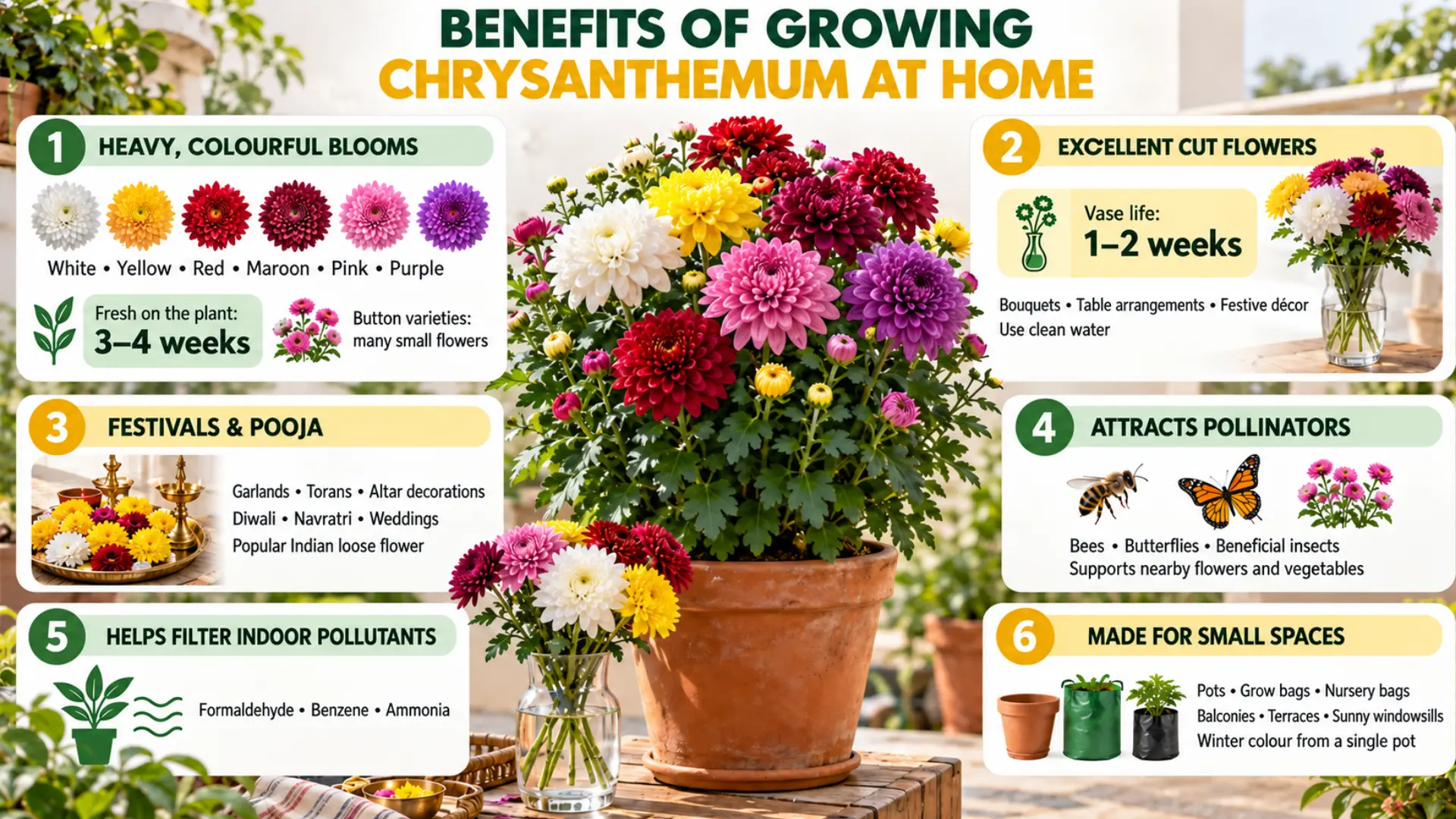
Heavy Blooms in Multiple Colours
This plant produces abundant flowers in whites, yellows, reds, maroons, pinks, and purples. Button varieties produce many small flowers on each plant. The flowers stay fresh on the plant for 3 to 4 weeks.
Excellent Cut Flowers
Cut Chrysanthemum stems can last 1 to 2 weeks in a vase with clean water, making them one of the longest-lasting cut flowers you can grow at home. They are widely used in bouquets, table arrangements, and festive décor.
Used in Indian Festivals & Pooja
The flowers of this plant are used in garlands, torans, and altar decorations, especially during Diwali, Navratri, and weddings. They are a popular loose flower in the Indian flower market, second only to marigold and rose.
Attracts Pollinators
Chrysanthemum flowers attract bees, butterflies, and other beneficial insects to your garden, supporting pollination of nearby flowering and vegetable plants.
Air-Purifying Properties
It is one of the houseplants that helps filter common indoor air pollutants such as formaldehyde, benzene, and ammonia.
Grows Well in Pots & Small Spaces
Chrysanthemums thrive in pots, grow bags, and nursery bags on balconies, terraces, and sunny windowsills. Even a single pot of Chrysanthemum can add colour and life to a small space during winter.
Common Problems, Causes & Fixes
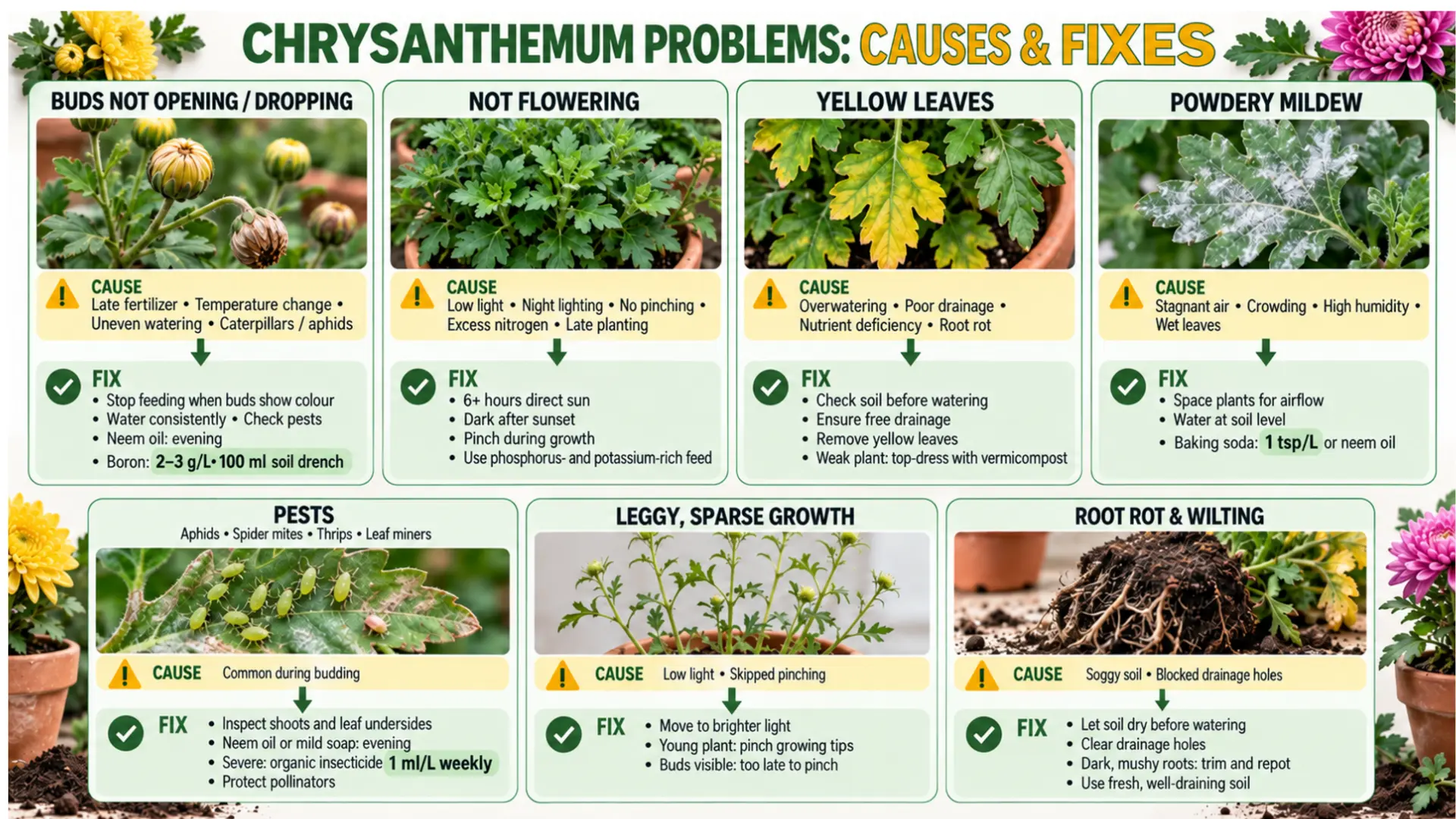
Buds Not Opening or Dropping
Cause: Fertilizer applied after buds matured, sudden temperature changes, inconsistent watering, or caterpillar/aphid attack on buds.
Fix: Stop fertilizing once buds show colour. Water consistently and check for caterpillars or aphids. Spray neem oil in the evening if needed. If buds fail to open, apply boron solution at 2–3 g/L as a 100 ml soil drench.
Plant Not Flowering
Cause: Insufficient sunlight, exposure to artificial light at night disrupting the short-day cycle, skipping pinching during the growth phase, excess nitrogen fertilizer, or planting too late in the season.
Fix: Provide at least 6 hours of direct sunlight daily. Keep plants away from lights after sunset. Pinch during growth and switch from nitrogen-rich feed to phosphorus- and potassium-rich fertilizer.
Yellow Leaves
Cause: Overwatering, poor drainage, nutrient deficiency, or root rot.
Fix: Check the soil moisture before watering. Ensure the pot drains freely. Remove yellow leaves and top-dress with vermicompost if the plant looks weak.
Powdery Mildew (White Dusty Coating on Leaves)
Cause: Stagnant air around the plant, overcrowding, high humidity, and water sitting on the leaves.
Fix: Improve airflow by spacing plants apart. Water only at the soil level. Spray a baking soda solution (1 teaspoon per litre of water) or neem oil as a preventive measure.
Pests (Aphids, Spider Mites, Leaf Miners)
Cause: Aphids, spider mites, thrips, and leaf miners commonly infest Chrysanthemum, especially during the budding stage.
Fix: Check new shoots and leaf undersides regularly. Spray neem oil or mild soap solution in the evening. For severe infestations, use organic insecticide at 1 ml/L weekly, protecting pollinators.
Leggy, Sparse Growth
Cause: Insufficient light or skipping the pinching routine during the growing phase.
Fix: Move the plant to a brighter spot. If the plant is still young, pinch the growing tips to encourage branching. Once buds have appeared, it is too late to pinch.
Root Rot and Wilting
Cause: Soggy soil from overwatering or blocked drainage holes.
Fix: Let the soil dry before watering again. Check and clear drainage holes. If the roots are dark and mushy, remove the damaged parts and repot the plant in fresh, well-draining soil.
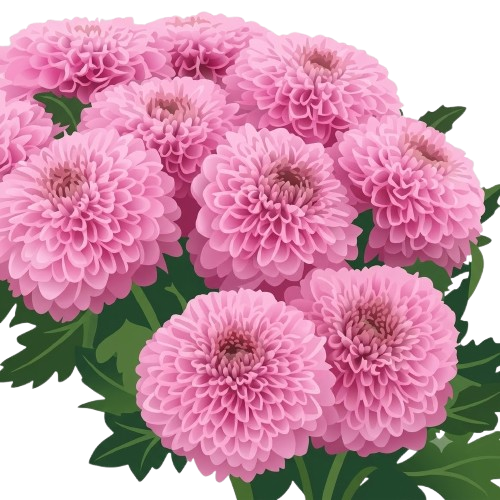
Vastu Shastra Placement
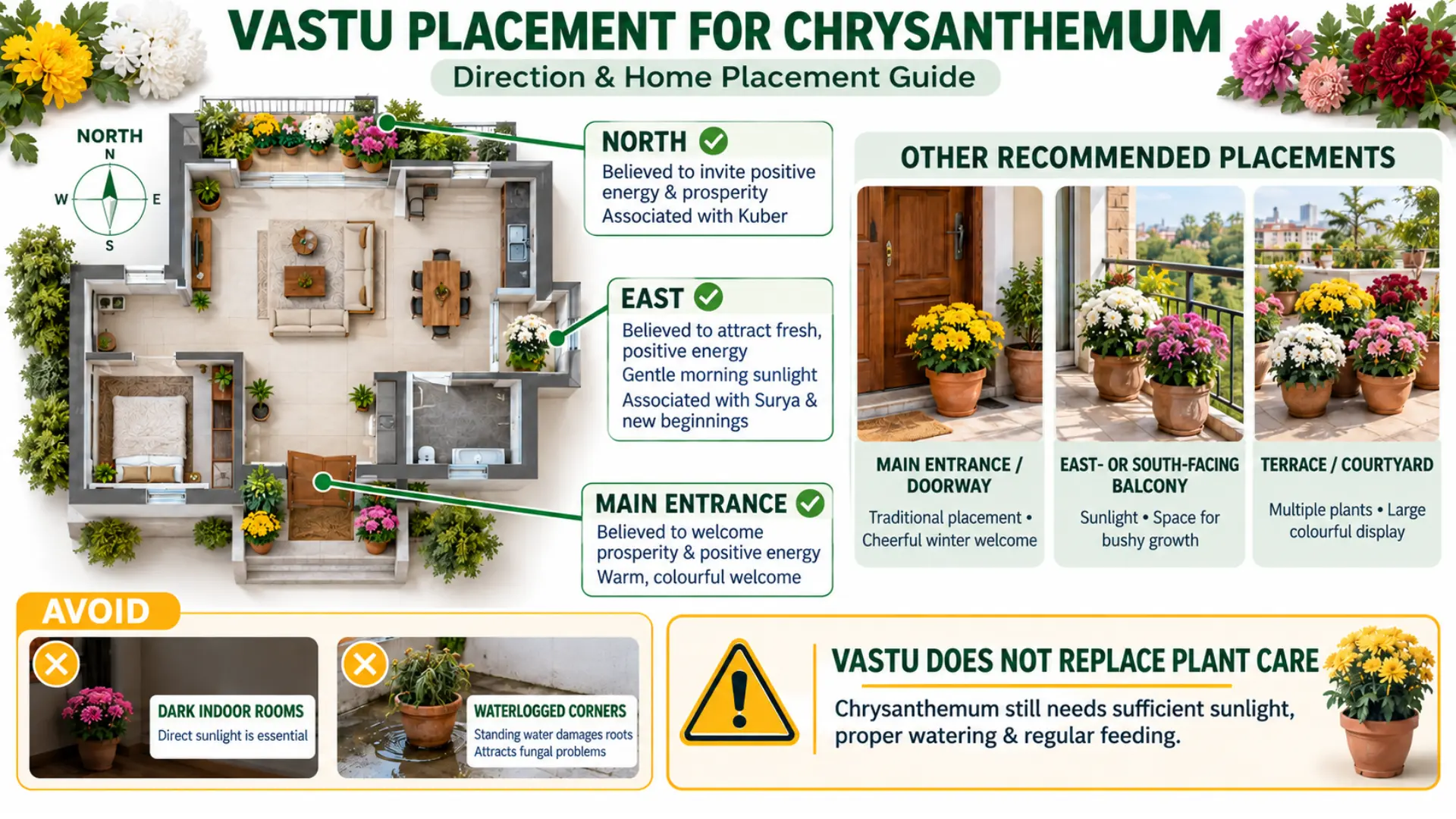
Direction Guide for Chrysanthemum Plant
North ✔
In Vastu, this direction is associated with Kuber and is believed to support prosperity. Chrysanthemum is considered auspicious here.
East ✔
The east is associated with Surya (the sun) and new beginnings. Placing Chrysanthemum here gets gentle morning sunlight and attracts fresh, positive energy.
Main Entrance ✔
A traditional and popular placement. Chrysanthemum at the entrance is believed to welcome prosperity and positive energy while keeping negative influences away.
🍀 Best Placements
- Main Entrance / Doorway — The most traditional placement; also practical for a cheerful, colourful welcome during winter.
- Balcony (East or South-facing) — Ideal for sunlight and the space Chrysanthemum needs for healthy, bushy growth.
- Terrace / Courtyard — Excellent for growing multiple plants together and creating a large, colourful display.
❌ Places to Avoid
- Dark Indoor Rooms — Chrysanthemum needs direct sunlight and will not thrive indoors regardless of Vastu direction.
- Waterlogged Corners — Standing water damages roots and attracts fungal problems, undoing any Vastu benefit.
⚠️ Do not treat Vastu placement as a replacement for proper plant care. Even the most auspicious direction will not help if the plant does not receive sufficient sunlight, proper watering, and regular feeding.
⚠️ Toxicity & Safety
⚠️ Mildly Toxic – Handle With Some Caution
Chrysanthemum contains compounds that may cause skin irritation or digestive upset in some people and animals. The sap may cause contact dermatitis in sensitive individuals.
| Who | Notes | Action |
|---|---|---|
| 🐱🐶 Cats & Dogs | Ingesting Chrysanthemum leaves or flowers can cause vomiting, diarrhoea, drooling, and skin irritation. Cats are more sensitive than dogs. | Keep plants out of reach of curious pets. Monitor for discomfort after contact or ingestion. Consult a vet if symptoms persist. |
| 👶 Children | Ingesting leaves may cause mild stomach upset. Supervise young children around the plant and wash their hands after handling it. | Supervise young children around the plant. Wash hands after handling. |
| 🧑 Adults | The sap may cause contact dermatitis (skin rash, itching) in people with sensitive skin or those allergic to the Asteraceae family (ragweed, daisies, sunflowers). | Wear gloves when pruning or handling the plant if you have sensitive skin. Wash your hands after contact. |
Companion Plants — What Grows Well with Chrysanthemum Plants
Chrysanthemum pairs well with other sun-loving flowering plants that bloom during the same winter season and share similar watering and soil needs.
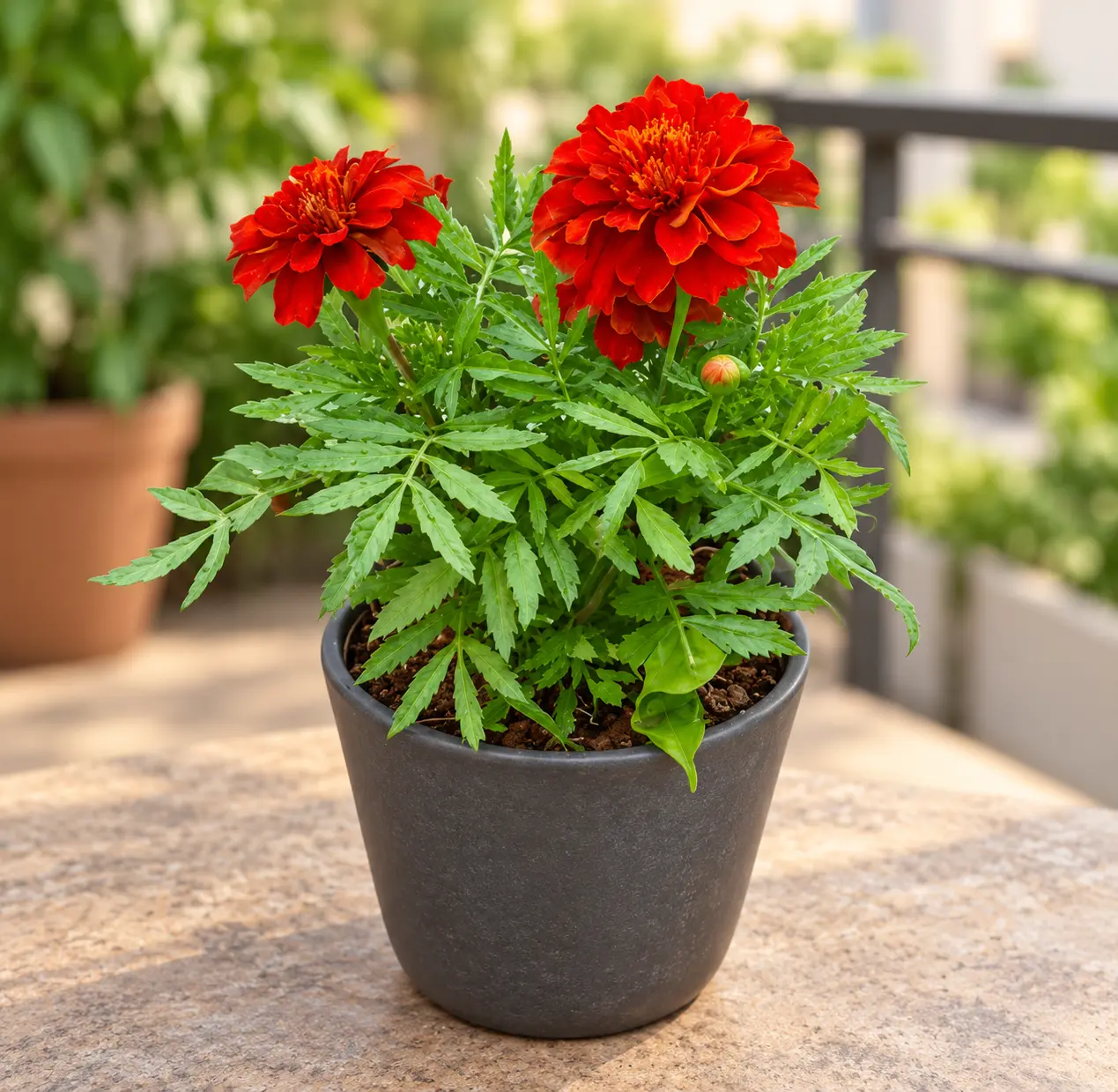
Marigold / Genda
Marigold is the most natural companion for Chrysanthemum. Both bloom from October to March and prefer well-draining soil with regular feeding. Marigold's strong scent also helps repel certain pests from nearby Chrysanthemum plants. Shop Marigold plants online at Urvann.
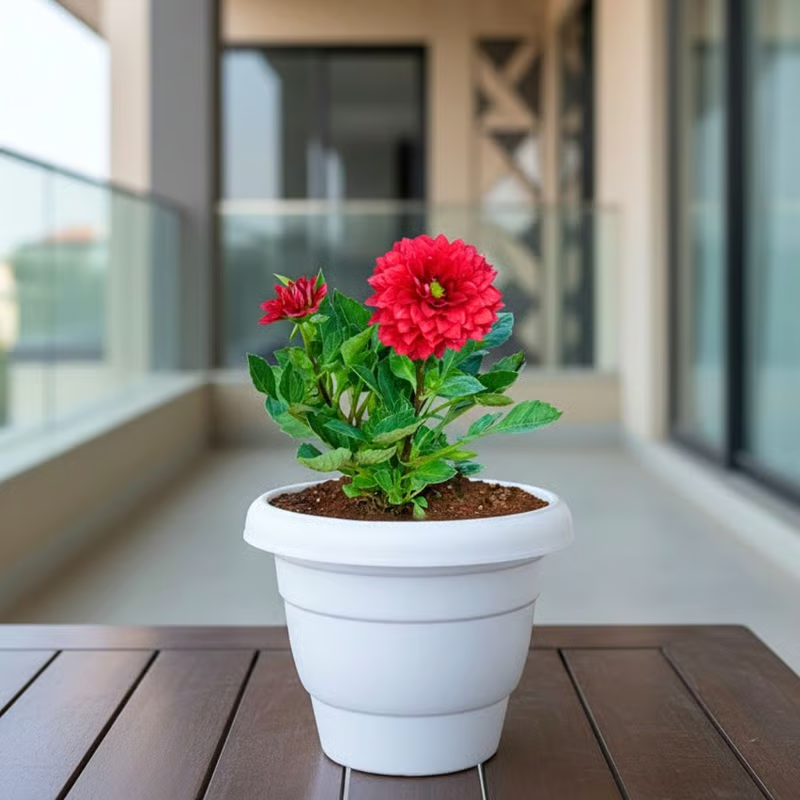
Dahlia
Dahlia is another winter-blooming favourite that shares Chrysanthemum's need for rich soil and regular feeding. Dahlia's larger, showier blooms create a nice contrast with Chrysanthemum's more compact flowers. Get Dahlia plants online at Urvann.
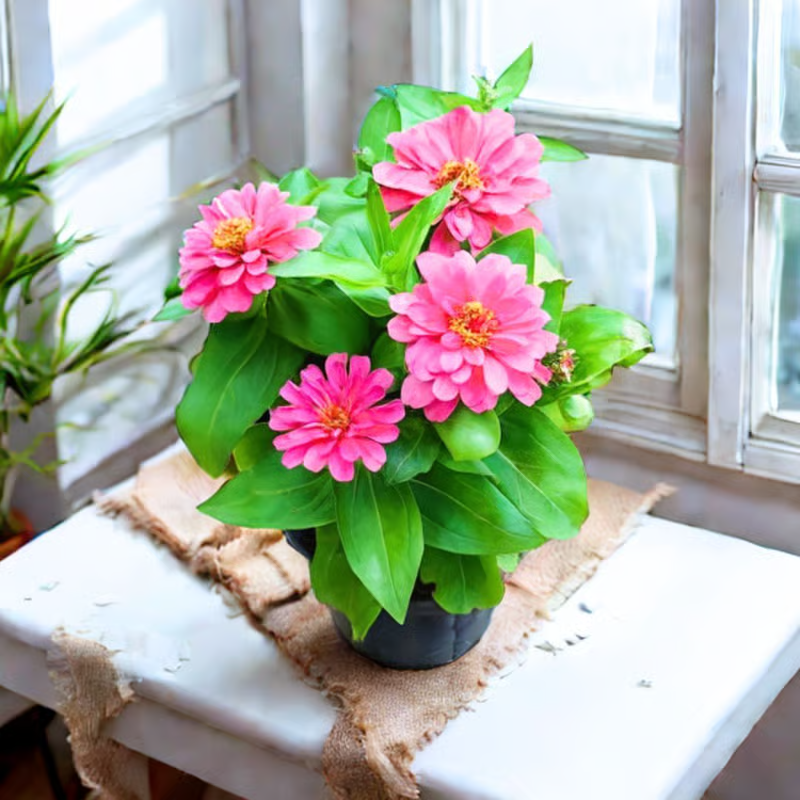
Zinnia
Zinnia is a cheerful, sun-loving plant that thrives alongside Chrysanthemum. Both tolerate similar watering schedules and soil conditions. Get Zinnia plants online at Urvann.
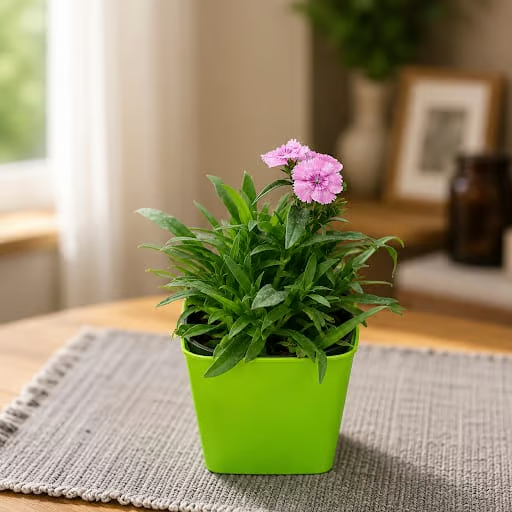
Dianthus
Dianthus is a compact, cool-weather flowering plant that performs well alongside Chrysanthemum during winter. Dianthus adds spicy-fragrant flowers in pinks, reds, and whites that complement Chrysanthemum's colour range. Shop Dianthus plants online at Urvann.
How to Grow Chrysanthemum (ಸೇವಂತಿಗೆ) at Home
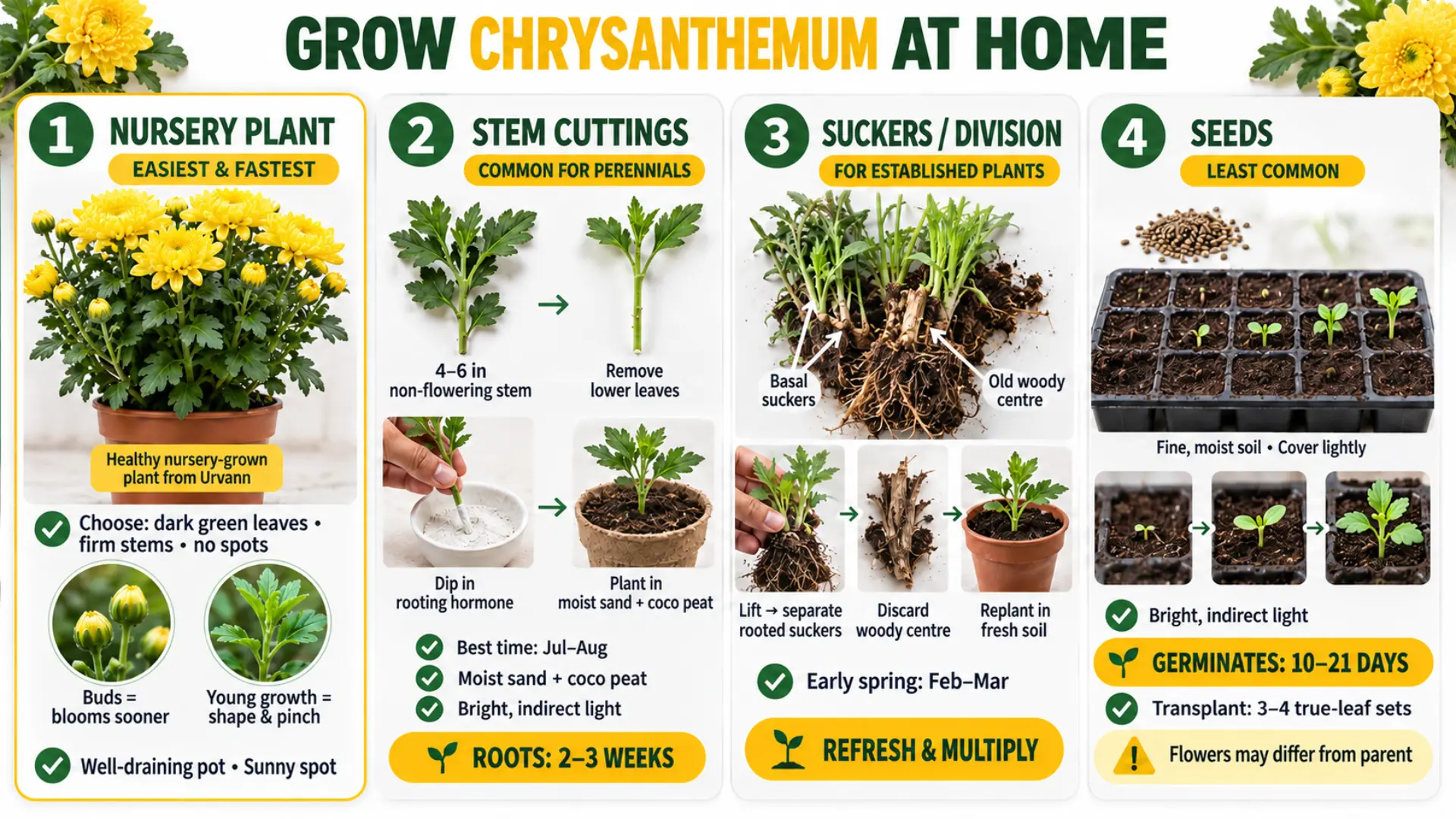
Method 1: Buy a Chrysanthemum Plant Online (Easiest & Fastest)
The easiest way to grow Chrysanthemum is to start with a healthy nursery-grown plant from Urvann. Look for plants with dark green foliage, firm stems, and no yellowing or spotted leaves. If you want to enjoy blooms sooner, choose a plant with visible buds. If you want to shape and pinch the plant yourself, choose a younger plant with active growth. Plant it in a well-draining pot with the recommended soil mix and place it in a sunny spot.
Method 2: From Stem Cuttings (Most Common for Perennial Growing)
Take a healthy 4–6 inch stem cutting from a non-flowering branch. Remove the lower leaves, dip the cut end in rooting hormone, and plant in a moist mix of sand and coco peat. Keep the soil consistently moist and provide bright, indirect light until new growth appears. Cuttings typically root in 2 to 3 weeks. The best time to take cuttings is during the monsoon (July–August) for winter flowering.
Method 3: From Suckers/Division (For Established Plants)
If you already have a Chrysanthemum plant, you can divide it in early spring (February–March) when new shoots appear at the base. Dig up the plant, separate the healthy suckers with attached roots, and replant them in fresh soil in individual pots. Discard the old, woody centre. This method helps refresh an older plant and produce new plants.
Method 4: From Seeds (Least Common)
Growing Chrysanthemum from seed is possible but less common because seed-grown plants often do not resemble the parent variety in flower shape, size, or colour. Sow seeds in a seed tray with fine, moist soil. Cover lightly and keep in bright, indirect light. Seeds germinate in 10 to 21 days. Transplant seedlings once they have 3 to 4 sets of true leaves.