
Shop


Please provide your delivery pincode to see products available in your area
Recent Search
Bougainvillea Plant 🎋
Also known as Paper Flower, Bugambilia, Booganbel, Boganvilia, Kaagaz ka Phool (कागज़ का फूल), or Bougainvillea.Bougainvillea is one of India's most loved outdoor flowering plants. Famous for its vibrant, papery bracts in shades of pink, red, orange, purple, white, and yellow, it instantly adds bold colour to balconies, terraces, boundary walls, and sunny garden corners.
About the Bougainvillea Plant
Bougainvillea (Bougainvillea spp.) belongs to the family Nyctaginaceae and is native to South America, including Brazil, Peru, Bolivia, and Argentina. It is one of the most widely grown ornamental plants across warm regions of the world, and in India, it is a garden staple found on balconies, terraces, boundary walls, highway medians, and entrance arches.
What makes bougainvillea visually striking is that the colourful part is not the actual flower. The real flowers are small, waxy, and usually white or cream in colour. The bright, papery structures surrounding them are called bracts. These bracts are what give the bougainvillea plant its dramatic look and long-lasting colour display.
Bougainvillea is especially well-suited for Indian homes because it loves heat, sunlight, and open-air conditions. It is drought-tolerant and salt-tolerant once established, making it practical for coastal homes and areas with hard water. It handles temperatures of 40 to 45 degrees Celsius and thrives with minimal daily care. The plant grows better with a bit of neglect than with constant pampering.
Peak flowering periods in India: February to May (spring into early summer) and September to November (post-monsoon). Monsoon months (July to August) and mid-December to January are natural rest periods. Individual bloom cycles typically last 4 to 6 weeks.
Bougainvillea is a perennial plant, not a seasonal one. It does not die off between seasons. An established plant becomes stronger and more floriferous with age and can live for 30 to 50 years or longer with proper care.Whether you want to buy a bougainvillea plant online, grow a climber on your balcony railing, or create a flowering hedge for your boundary wall, bougainvillea is one of the most rewarding outdoor plants you can choose for Indian weather.
Popular Types of Bougainvillea Plant
Bougainvillea is widely grown for its bright, paper-like bracts and fast growth. It comes in different colours, sizes, and growth habits, making it suitable for both small balconies and large gardens.
(According to Colours)
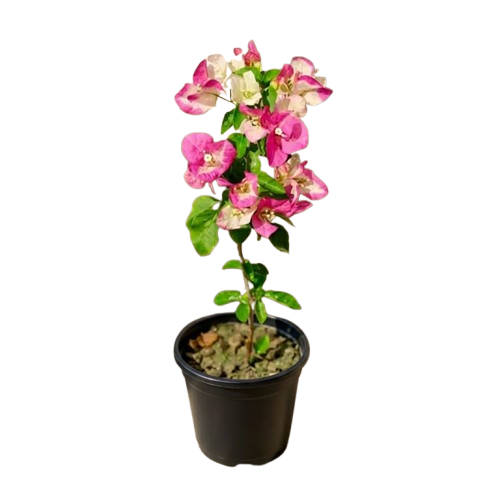
Bougainvillea Pink in 6 Inch Nursery Pot
Pink bougainvillea is the most common and widely grown variety. It produces vibrant blooms and grows well in almost all climates.
Best for: balconies, railings, hanging displays, entrance areas
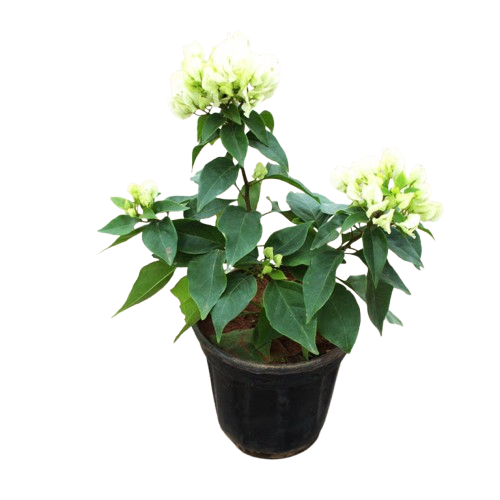
Bougainvillea White in 5 Inch Nursery Pot
White bougainvillea offers a clean, elegant look. It blends well with other colours and gives a calm, minimal feel to garden spaces.
Best for: modern or minimal gardens, mixed colour arrangements, entrances
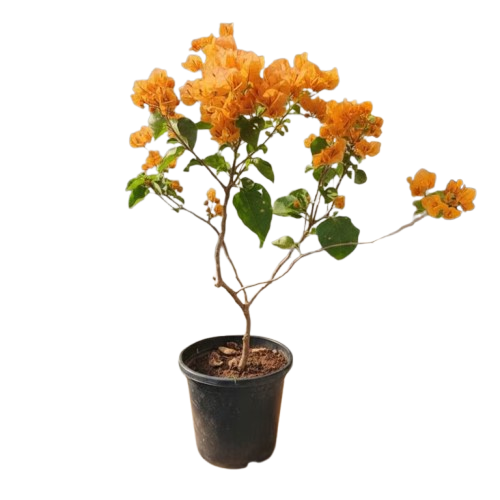
Bougainvillea Yellow in 8 Inch Nursery Pot
Yellow bougainvillea is less common but very striking. It stands out beautifully against green leaves and neutral walls.
Best for: colour contrast, terrace gardens, decorative displays
According to Size
 in 5 Inch Nursery Pot.png)
Bougainvillea (Any Colour) in 5 Inch Nursery Pot
This compact-pot bougainvillea is easy to manage and grows well without spreading too aggressively, making it ideal for small spaces.
Best for: apartments, small balconies, container gardening
 in 8 Inch Nursery Pot.png)
Bougainvillea (Any Colour) in 8 Inch Nursery Pot
This larger-pot bougainvillea grows more vigorously and produces denser clusters of blooms, giving an instant full-plant look compared to smaller saplings.
Best for: terraces, garden entrances, statement plants, experienced gardeners
Which Varieties of Bougainvillea Are Easily Available in India?
Common & Affordable
Chinese any-colour bougainvillea in 3-inch nursery bags, any-colour plants in 4-inch bags, any-colour varieties in 6-inch nursery pots, basic plastic pot options
Moderately Available
Any-colour bougainvillea (Pune variety) in nursery bags, all dwarf bougainvillea varieties in 5-inch pots, dwarf pink in decorative orchid-style pots, hanging basket options in multiple finishes
Premium / Less Common
Large bushy multiflora bougainvillea, yellow bougainvillea in decorative pots, pink bougainvillea in square designer pots, fiberglass planters, curated sets of flowering plants
Complete Care Guide for Bougainvillea Plant
🌡️ Temperature
Range: 15°C – 45°C
Ideal: 24°C to 35°C
Bougainvillea loves warmth and performs extremely well in Indian summers. It generally remains healthy up to around 40–45°C, though potted plants may need protection from harsh reflected heat at the upper extreme. It is frost-sensitive and does not perform well in extreme cold. In cooler North Indian winters, the plant may slow down, drop some leaves, or flower less, but it recovers as spring arrives.
- ✅ Best suited for warm Indian climates with strong sunlight
- ✅ Performs well in full sun and dry heat
- ✅ Protect young potted plants from cold winter winds in North India
- ✅ In North Indian winters, keep potted plants near a sunny, protected wall
- ❌ Expose the plant to frost
- ❌ Keep it in dark, cold, damp corners
- ❌ To encourage flowering during extremely hot weather (around 42–45°C), slightly reduce watering instead of keeping the soil constantly wet. The priority is to keep the plant alive.
✂️ Pruning
Bougainvillea needs three types of pruning for consistent flowering and plant health:
Root pruning is done every alternate year, in spring or just before the monsoon. When roots fill the pot completely, growth and flowering slow, so either repot into a larger container or prune the roots and replant in the same pot.
Hard pruning is done once or twice a year, around Holi (February–March) and optionally just before the monsoon, cutting back weak and tangled growth to push strong new shoots; since bougainvillea blooms on new growth, this directly improves bract production.
Soft pruning happens every 15 days through the growing season. Pinching back growing tips and cutting long shoots keeps the plant shaped, dense, and continuously flowering. The more regularly you prune lightly, the more the plant branches and blooms.
- ✅ Always use sharp, clean pruning shears
- ✅ Wear gloves, since bougainvillea stems have thorns
- ✅ Root-prune every alternate year, before monsoon
- ✅ Hard-prune around Holi to push new flowering growth
- ✅ Soft-prune every 15 days to keep the plant dense and blooming
- ❌ prune heavily during peak flowering if you want to enjoy the blooms
- ❌ Leave long, tangled, weak stems unchecked between pruning cycles
🍃 Cleaning Leaves
Dusty foliage reduces how efficiently the plant absorbs sunlight, which matters most for potted bougainvillea on polluted city balconies or near roads and construction dust. Regular light cleaning keeps the leaves photosynthesizing efficiently and gives you a chance to catch pests early.
- ✅ Spray the plant gently with water occasionally to remove dust
- ✅ Wipe leaves down if the plant is kept near roads or construction dust
- ✅ Check under leaves while cleaning for aphids or spider mites
- ❌ Use chemical leaf-shine sprays
- ❌ Keep leaves wet for extended periods during humid monsoon weather
💨 Air Circulation
Bougainvillea thrives in open, airy outdoor spaces. Good airflow keeps fungal problems and pest buildup in check, so where you place the pot, and how you train its growth, matters as much as sunlight and water.
- ✅ Bougainvillea loves open, airy outdoor spaces
- ✅ Good airflow reduces fungal problems and pest buildup
- ✅ Keep potted plants where air moves freely rather than in enclosed corners
- ✅ Train vines on a trellis, railing, or wall support to avoid dense tangling
- ❌ Use cramped, shaded, and humid corners
- ❌ Place multiple thorny stems too close to walkways
☀️ Light
Bougainvillea is a true sun-loving plant. Light is the single biggest factor that determines whether your plant will bloom heavily or simply produce green leaves. If your bougainvillea is not flowering, insufficient sunlight is the first thing to check.
☀️ Direct Sun - Best
Bougainvillea thrives in direct sun, needing 5 to 6 hours daily for healthy growth and 6 to 8 hours for the best colour and bract density.
- ✅ Best for heavy, consistent flowering
- ✅ Perfect for terraces, balconies, and sunny railings
- ✅ Encourages compact, bushy growth
- ✅ Provide light shade if temperatures cross 45°C
🌤️ Bright Indirect Light - Fewer Flowers
The plant survives well in bright indirect light, but flowering drops noticeably and bracts become smaller and less frequent.
- ✅ Suitable for newly purchased or recently moved plants
- ✅ Works on balconies with strong reflected light
- ✅Expect fewer, smaller bracts overall
- ✅ Not ideal if heavy blooming is your main goal
🌥️ Medium Light - Poor Flowering
The plant may survive in medium light, but it grows noticeably weak and leggy, with flowering becoming steadily more limited.
- ✅ Leaves may stay green, but blooming suffers
- ✅ Flowering becomes very limited overall
- ✅ Stems grow long, thin, and spindly reaching for light
- ✅ Overall plant health gradually declines over time
🌑 Low Light - Not Recommended
Low light is one of the main reasons bougainvillea fails to flower indoors, and prolonged exposure weakens the plant.
- ❌ Avoid dark indoor rooms
- ❌ Avoid windowless spaces
- ❌ Avoid low-light corners for long-term placement
- ✅ Only keep indoors near a large south or west-facing window with strong, direct sun
🧭 Window and Balcony Direction — Indian Homes
💧 Watering
Bougainvillea prefers deep but infrequent watering. It is drought-tolerant once established and handles dry conditions far better than soggy soil. Overwatering is the most common mistake and the most common reason for root rot, yellow leaves, weak growth, and poor flowering.
Before watering, check the soil 2 to 3 inches deep:
If it feels moist, wait.
If it feels dry, water thoroughly until water flows freely from the drainage holes, then stop.
📅 Seasonal Watering Schedule
🌱 Spring (February to April)
Every 5 to 7 days
Active growth begins, and the plant prepares for its first major flowering peak, so soil dries noticeably faster as temperatures climb.
- ✅ Water as soon as the topsoil feels dry
- ❌ Do not let the pot dry out completely for long
🔥 Summer (May to June)
Every 3 to 5 days
Terrace and balcony pots dry out fast in hot cities, so always check the soil before watering, especially during heat waves.
- ✅ Check the soil daily during heat waves
- ❌ Do not withhold water above 42 to 45°C
🌧️ Monsoon (July to September)
Every 10 to 15 days
Rain and humidity keep the soil moist for much longer, making this the season when root rot and overwatering are most common.
- ✅ Water only once the soil has dried out
- ❌ Do not let pots sit in collected rainwater
❄️ Winter (October to January)
Every 10 to 20 days
Growth slows and water needs drop significantly in cooler regions, so let the soil dry more completely between each watering cycle.
- ✅ Water only once the soil is fully dry
- ❌Avoid frequent watering during cool winter days
Stress Watering to Trigger Flowering
If your plant has healthy leaves but no flowers, and sunlight and fertilising are on track, try reducing watering frequency. Allow the top 4 inches of soil to dry before the next watering. This mild water stress is a well-known technique for triggering bract production. Once flowers appear, return to the normal seasonal watering schedule. Do not use this technique when temperatures are above 42°C.
Water Quality
Bougainvillea is salt-tolerant, which makes it more forgiving of hard tap water than many other plants. However, very hard water can still cause white mineral crust to build up on the soil surface over time. Flush the pot with plain water every few months to clear salt buildup. Avoid light, surface watering daily. Deep, thorough watering on a proper schedule is always better.
Soil Mix & Pot Selection
Good drainage is non-negotiable for bougainvillea. The plant actively dislikes heavy, moisture-retentive soil. A fast-draining mix helps roots breathe and prevents the root rot that kills most bougainvillea in pots. The soil should be neither too soft and waterlogged nor too loose and nutrient-poor. Aim for a mildly acidic pH of 5.5 to 6.0.
Unlike hibiscus and many other flowering plants, bougainvillea prefers a leaner, gritty mix with minimal cocopeat. Too much moisture-retaining material reduces flowering and increases root rot risk.
Recommended DIY Soil Mix - Indian Climate
Keep cocopeat minimal or leave it out entirely. Cocopeat retains too much moisture for bougainvillea and can lead to root rot in monsoon conditions.
Alternative Simple Mix for Large Outdoor Pots
50% garden soil plus 30% coarse sand plus 20% compost. This works well for large potted bougainvillea, bougainvillea tree form, and large trained climbers in terrace or entrance settings.
- ❌ Never use pure clay soil in pots.
- ❌ Avoid heavy cocopeat-rich mixes designed for moisture-loving plants.
- ❌ Avoid any mix where water pools at the bottom.
🏺 Choosing the Right Pot
Terracotta Pots
Porous and breathable, terracotta helps excess moisture evaporate quickly, naturally reducing the risk of overwatering and root rot.
Best for: Beginners, monsoon safety, and anyone prone to overwatering
Plastic Pots
Lightweight and affordable, plastic retains moisture longer and helps keep roots cool during very hot summer months.
Best for: Older established plants, summer heat management, and easy movement
Ceramic or Glazed Pots
Decorative and stylish. Non-porous, so soil dries slower. Works well with a very well-draining mix. Must have drainage holes.
Best for: Patio styling, entrance areas, decorative displays
Cement Pots
Strong and stable, cement pots suit large bougainvillea plants that cannot be moved, and work well for permanent outdoor setups.
Best for: Terraces, entrance areas, and large trained plants
Hanging Baskets
Ideal for dwarf and compact varieties, hanging baskets give a beautiful cascading look but dry out faster in summer.
Best for: Sunny balconies, patios, pergolas, and dwarf varieties
Pot Size Guide
Small or newly bought plant: 8 to 10 inch pot
Medium or established plant: 12 to 14 inch pot
Large or trained plant: 16 inch or larger
A 12-inch clay pot is a good starting size for most potted bougainvillea in Indian homes.
Bougainvillea often flowers better when slightly root-bound. Avoid shifting it to an oversized pot too early.
- ❌ Never use a pot without drainage holes. Root rot is guaranteed without drainage.
- ❌ Do not let water collect in the saucer.
🧪 Fertilising — When, What & How Much?
Bougainvillea is not a very heavy feeder compared to hibiscus, but the right fertiliser at the right time makes a visible difference to flowering. The key principle is balance. Too much nitrogen leads to lush leafy growth and fewer bracts. A low-nitrogen, higher-phosphorus feed is better for blooming.
🎯 Best Fertiliser Approach
Use a balanced or bloom-supporting fertiliser during the growing season. For potted bougainvillea, liquid fertiliser is easier to control than granular forms. Organic options are generally preferred over synthetic high-NPK feeds.
🌟 Bougainvillea's Favourite Fertiliser
Mustard cake fertiliser is particularly effective for bougainvillea. Applied before a peak flowering window (February or September), it noticeably accelerates flowering and improves leaf lustre. Dilute it well in water before applying. Avoid using it when temperatures are above 35 degrees Celsius, as it can stress the plant in intense heat.
📅 Seasonal Feeding Schedule
- ✅ February (pre-spring peak): Neem cake first, then liquid seaweed about 15 days later, then bone meal or rock phosphate. This three-step cycle directly ahead of the main flowering push gives excellent results.
- ✅ March to June (active growth): Any organic fertiliser once a month. Compost, vermicompost, cow dung liquid, or seaweed extract all work well.
- ✅ September (pre-second-flush): Repeat the three-step February feeding cycle.
- ✅ October to November: Monthly organic fertiliser as the second flowering peak runs.
- ❌ Skip fertilising from July to August (monsoon). Rain dilutes nutrients, and soil stays wet.
- ❌ Do not fertilise when the temperature is below 10 degrees Celsius or above 40 degrees Celsius.
- ❌ Avoid high-nitrogen fertilisers like urea or DAP as the primary feed. They produce more leaves, not more flowers.
Signs of Over-Fertilising
- ❌ Lots of leaves but no flowers
- ❌ Brown or burnt leaf edges
- ❌ White mineral crust forming on the soil surface
- ❌ Weak, soft growth that flops rather than growing upright
Fix: Flush the soil with plain water and pause fertilising for 4 to 6 weeks.
✨ Ways To Grow and Display The Bougainvillea Plant
Bougainvillea is one of the most versatile outdoor plants. It can be trained and displayed in many different ways depending on the space, sunlight, and aesthetic you want to achieve.
Climbing on a Wall or Trellis
Bougainvillea naturally grows long, arching, thorny stems that train easily onto a wall, trellis, grill, or pergola for a vibrant vertical display.
Ideal for: Boundary walls, terrace walls, balconies, pergolas, and arches
Balcony Railing Plant
Train the stems along the railing for a colourful, flowing balcony border, using soft ties to guide growth without cutting into the stems.
Ideal for: Apartment balconies, sunny railings, and urban homes
Large Potted Statement Plant
A large, established bougainvillea in a big pot creates a garden-like impact without any ground planting, and the Urvann Multiflora 8-inch option suits this well.
Ideal for: Terraces, patios, and entrance areas
Bougainvillea Tree Form
With regular pruning and a central support, bougainvillea trains into a small tree-like standard, giving a premium, ornamental look suited to formal gardens.
Ideal for: Front yards, large pots, gate areas, and landscape use
Hanging Basket
Compact dwarf varieties spill beautifully from hanging baskets, and Urvann carries dwarf pink bougainvillea in 8-inch hanging pots across multiple finishes.
Ideal for: Sunny balconies, patios, pergolas, and porches
Hedge or Living Fence
Bougainvillea makes an excellent protective flowering hedge thanks to its thorny stems, adding colour and privacy while acting as a natural security barrier.
Ideal for: Farmhouses, boundary lines, and garden edges
Bonsai Style
Bougainvillea is popular for bonsai because its woody stems respond well to training, producing vibrant spring blooms. Regular pruning keeps it compact and beautifully shaped.
Ideal for: Plant collectors, decorative displays, ornamental gardening
🌟 Benefits of Keeping a Bougainvillea Plant At Home
Adds Long-Lasting Colour
Bougainvillea produces vibrant bracts that brighten balconies, terraces, gardens, and entrances for long stretches in warm climates. Individual bloom cycles last 4 to 6 weeks.
Perfect for Indian Weather
It loves heat, sunlight, and open air. It handles temperatures up to 40°C to 45°C and is suited to most Indian cities and climates.
Low Maintenance Once Established
Bougainvillea needs less water than most flowering plants, tolerates neglect, and does not require daily attention to stay healthy and flowering.
Drought Tolerant
Once established, bougainvillea handles dry periods well. It actively blooms better with slightly drier conditions than with constant moisture.
Salt Tolerant
Bougainvillea's natural salt tolerance makes it a good choice for coastal homes, areas with hard tap water, and roadside or boundary planting.
Works as a Natural Privacy Screen
When trained on railings, grills, or boundary walls, bougainvillea creates a dense, thorny, colourful screen that is both beautiful and functional.
Versatile Growing Forms
Climber, hedge, shrub, standard tree, bonsai, hanging basket, or ground cover. Few ornamental plants offer this range of display options.
Long Lifespan
With proper care, bougainvillea can live for 30 to 50 years or longer. It is a perennial plant that gets stronger and more established with age.
Budget-Friendly
Bougainvillea plants on Urvann start at Rs. 49. Few flowering plants of this quality and impact are available at this price point.
Excellent for Gifting
A flowering bougainvillea in a decorative pot makes a beautiful and long-lasting gift for housewarmings, garden lovers, and festive occasions.
🩺 Common Problems, Causes, and Fixes
🚫No Flowers
Cause: Insufficient sunlight, overwatering, excess nitrogen, or a pot-bound root system
Fix: Move to full sun for 5 to 8 hours daily, let the soil dry more between waterings, prune lightly, and switch to a bloom-supporting fertiliser
Prevent: Give strong direct sunlight, avoid daily watering, and soft-prune every 15 days
 Yellow Leaves
Cause: Overwatering, poor drainage, sudden environmental change, or root stress
Fix: Let the soil dry completely before watering again, check that drainage holes are clear, and inspect roots if yellowing persists
Prevent: Use well-draining soil and water only once the topsoil feels dry
🍂Leaf Drop
Cause: Sudden change of location, under or overwatering, cold stress, or transplant shock
Fix: Keep the plant in a stable, sunny spot, adjust watering to the season, and avoid shifting it once settled
Prevent: Repot gently, avoid disturbing roots, and maintain consistent sun exposure
🍁Brown Crispy Leaves
Cause: Underwatering, extreme heat, salt buildup in the soil, or root damage
Fix: Water deeply, flush the soil if mineral crust appears, and shield small pots from harsh reflected heat
Prevent: Check soil moisture more often during summer heat peaks
Leggy Growth with Few Flowers
Cause: Insufficient light or an irregular pruning routine
Fix: Move the plant to a sunnier spot and soft-prune all long, weak stems back
Prevent: Keep bougainvillea in direct sunlight and maintain a soft pruning routine every 15 days through the growing season
Root Rot
Cause: Overwatering, waterlogged soil, or blocked drainage
Fix: Remove the plant, trim away mushy or blackened roots, let it dry briefly, then repot in fresh, well-draining soil.
Prevent: Always use pots with drainage holes and a gritty soil mix
🐜Aphids
Cause: Soft new growth attracts sap-sucking pests, especially in warm weather
Fix: Spray with water to dislodge them, then apply a neem oil solution or mild insecticidal soap weekly until clear
Prevent: Inspect new shoots regularly and avoid excess nitrogen, which encourages the soft growth aphids prefer
🐛Mealybugs
Cause: Poor airflow, plant stress, or nearby infected plants
Fix: Remove visible pests with a cotton swab dipped in diluted alcohol, then spray neem oil weekly
Prevent: Maintain good airflow and isolate new plants before placing them near others
🕷️Spider Mites
Cause: Hot, dry conditions, especially during summer months
Fix: Wash the plant thoroughly with water, focusing under the leaves, then apply neem oil or insecticidal soap
Prevent: Check the underside of leaves regularly in summer and keep airflow good
🦠Fungal Spots on Leaves
Cause: Excess humidity, water sitting on leaves, or poor airflow during monsoon
Fix: Remove affected leaves, improve airflow around the plant, and cut back overhead watering
Prevent: Avoid crowding pots during monsoon and water at the base, not overhead
🩹Thorn Injuries While Pruning
Cause: Bougainvillea stems carry sharp, protective thorns
Fix: Wash scratches with soap and water, and seek medical care if a thorn punctures deeply
Prevent: Always wear gloves and full sleeves while pruning, and keep thorny stems away from walkways and areas used by children or pets
🧭 Vastu Shastra and Placement Guide
Bougainvillea is valued as a decorative and protective outdoor plant. Because of its bright flowers and thorny growth, placement should be thoughtful both from a practical and traditional standpoint.
🧭 South or West Balcony - Recommended
These directions get the strongest sunlight in Indian homes, exactly what bougainvillea needs for heavy, consistent flowering.
🚪 Entrance Gate - Recommended
A well-pruned, flowering bougainvillea near the entrance creates a colourful, welcoming visual and an informal security barrier.
🧱 Boundary Wall - Recommended
Excellent for creating a flowering privacy screen or natural fence, with thorny stems adding a practical barrier too.
🏡 Terrace Garden - Recommended
Terraces usually receive full, direct sun for most of the day, making them one of the best spots for any variety.
🌑 Dark Indoor Corners - Not Recommended
Bougainvillea will not bloom in low-light indoor spaces, and the plant will eventually weaken and decline. Not suitable.
🚶 Narrow Walkways - Not Recommended
Avoid placing thorny stems near passages used by people, children, or pets; bougainvillea thorns can scratch sharply and cause pain.
Keep It Healthy 💚
A blooming, well-pruned bougainvillea looks vibrant and positive. A dry, tangled, untended plant makes any space look neglected.
Train It Upward 💚
Guide the plant on a trellis, railing, wall, or support for a neat, upward-growing appearance. Regular pruning keeps it beautiful, safe, and manageable.
⚠️ Toxicity and Safety
Bougainvillea is generally non-toxic to dogs, cats, and horses if ingested. However, the sap of bougainvillea can cause serious skin irritation. Reactions comparable to contact with Toxicodendron species (such as poison ivy) have been documented. This is a more significant concern than the mild irritation noted in many general plant guides.
The thorns are also a practical safety concern for all household members, particularly children and pets. Always wear gloves and full sleeves when pruning, and wash hands immediately after handling the plant.
🐱 Cats and Dogs
Symptoms: Mild vomiting or stomach upset if plant material is eaten; scratches or puncture wounds from thorns.
Action: Rinse the mouth with clean water if chewed. Contact a vet if vomiting continues or a thorn causes a deep wound.
Prevent: Keep thorny stems trimmed and away from pet resting and walking areas.
👶 Small Children
Symptoms: Skin scratches from thorns, plus mild mouth irritation or stomach upset if plant parts are chewed.
Action: Wash scratches with soap and water. Rinse the mouth and offer water if chewed, then consult a doctor if discomfort continues.
Prevent: Keep thorny plants away from play areas and other spaces children can easily access.
🧑 Adults
Symptoms: Skin irritation or rash from sap in sensitive individuals, along with thorn scratches during pruning.
Action: Wash affected skin with soap and water immediately. Seek medical attention if the rash spreads or becomes severe.
Prevent: Wear gloves and long sleeves while pruning, and avoid touching your face after handling the plant.
🌺Companion Plants - What Looks Great Together
Bougainvillea pairs best with other sun-loving, outdoor plants that enjoy similar warm conditions and bright light.
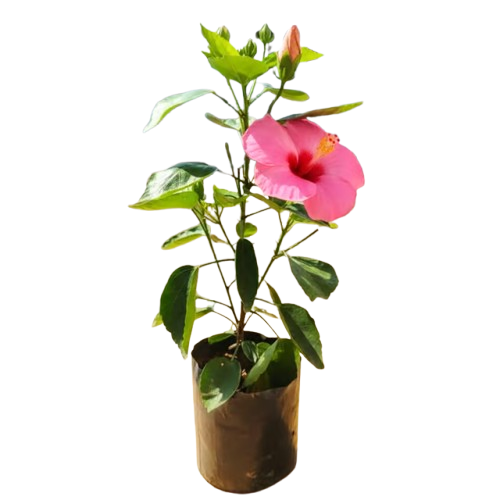
Hibiscus
Large tropical flowers pair beautifully with bougainvillea bracts. Bougainvillea and Hibiscus love heat and sunlight and look stunning together on a terrace.
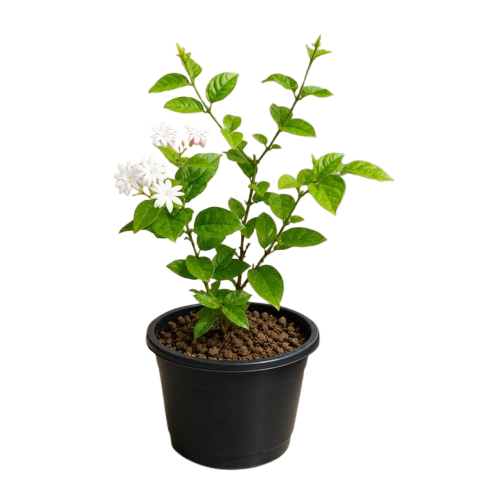
Jasmine or Mogra
Adds fragrance to the colourful look of bougainvillea with Jasmine, which is also called Mogra. A classic Indian balcony or railing combination.
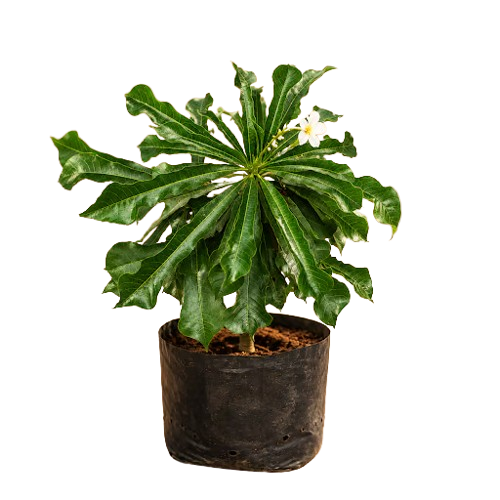
Plumeria or Champa
A stunning tropical pairing for larger terraces and gardens. Plumeria gives height and fragrance, while bougainvillea adds intense bract colour.
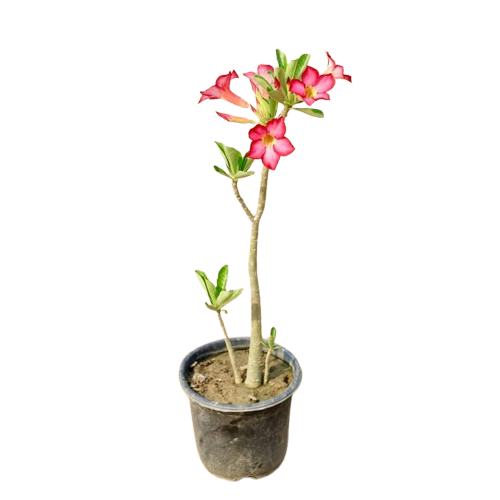
Adenium
Both plants enjoy full sun and controlled watering. Together, Adenium and bougainvillea create a bold desert-tropical display.
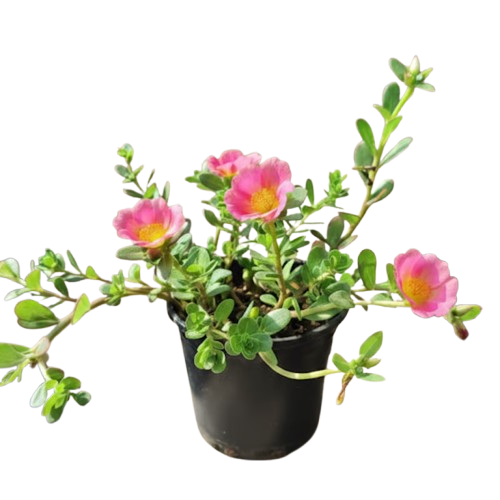
Portulaca
It is a low-growing, sun-loving flowering plant. Portulaca looks beautiful planted around the base of potted bougainvillea.
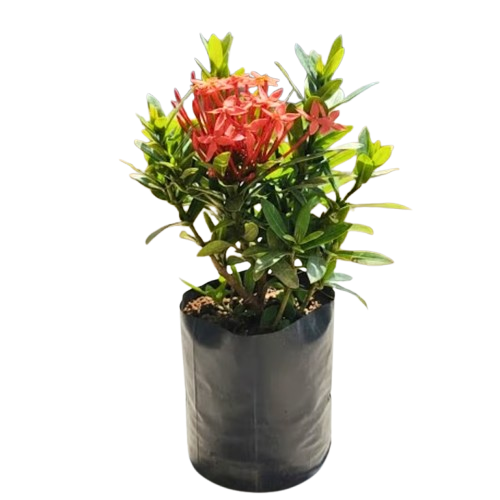
Ixora
Bright orange and red flower clusters of Ixora pair well with bougainvillea in warm, sunny Indian gardens.
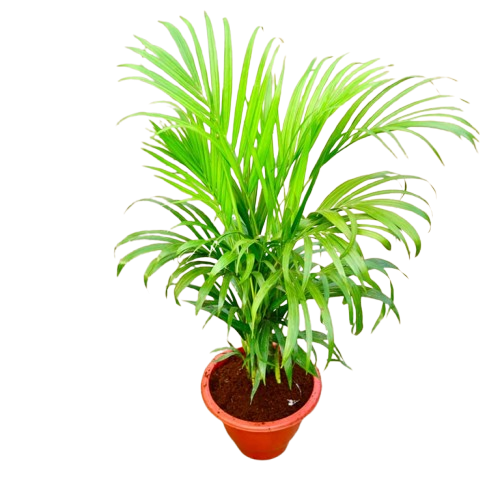
Areca Palm
It provides a lush, deep green backdrop. Areca Palm makes bougainvillea bract colours appear more vivid.
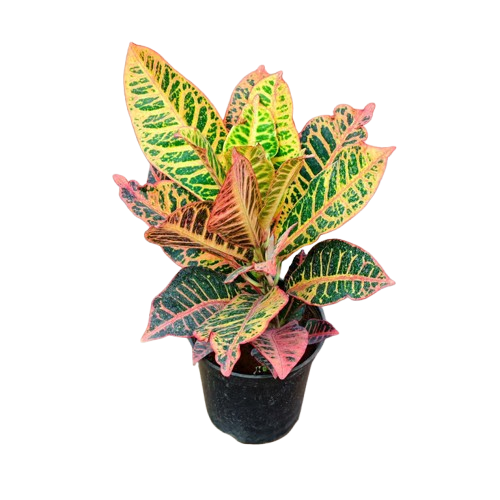
Croton
Colourful variegated foliage of Croton complements bougainvillea bracts and adds year-round visual interest even when flowering slows.