


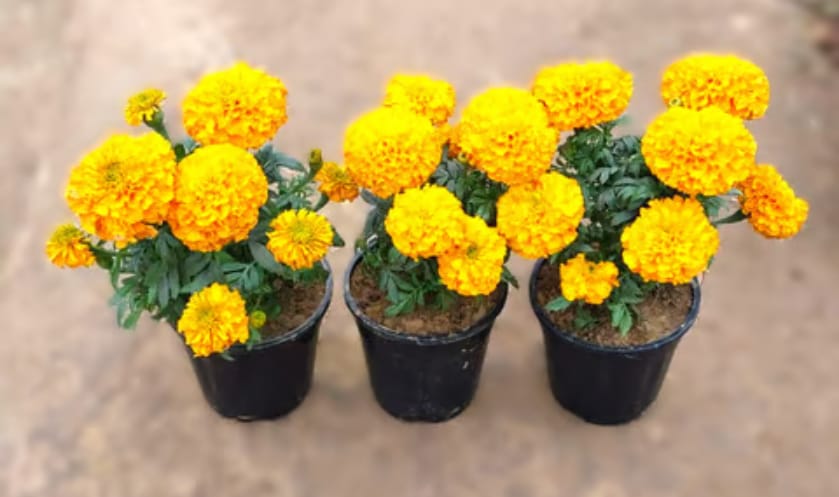
If you’ve ever walked through the bustling phool mandis of Delhi or Kolkata during the festive season, you know that the air isn't just filled with the scent of street food, it's heavy with the earthy, pungent perfume of Genda phool.
Marigolds are a part of our soul, draped over our doorways for Diwali, showered on newlyweds, and offered with devotion at every temple.
As we move into the 2025-2026 season, there is a lot of excitement in the air. Whether you’re a seasoned gardener like my neighbour Mrs Kapoor, who has been growing "Inca" hybrids on her balcony for a decade, or a newbie just trying to keep a single pot alive, this blog is for you.
| Table of Contents |
|---|
| Understanding Marigolds: Basics Every Gardener Should Know |
| Types of Marigolds: African vs French vs Signet Classification |
| Best Marigold Varieties for Winter Blooms in India |
| AAS Winner & Award-Winning Marigold Varieties |
| Tagetes vs Calendula: Know the Difference for Winter Gardening |
| Why Is Winter Perfect for Growing Marigolds in India? |
| How to Choose the Right Winter Marigold Variety for Your Indian Garden |
| Winter-Specific Care Tips for Marigolds |
| Common Issues & Quick Fixes |
| Companion Planting: Best Marigold Varieties for Pest Control |
| Marigold Myths Busted: Common Misconceptions |
| Plant Your Perfect Winter Marigold Variety Today |
Understanding Marigolds: Basics Every Gardener Should Know
- Botanical Name: Tagetes spp. (Family: Asteraceae).
- Indian Common Names: Genda or Genda phool (Hindi), Gainda (Punjabi/Haryanvi), Banti puvu (Telugu), and Chendumalli (Tamil/Malayalam).
- English Names: Often called American, African, or French marigolds, though believe it or not, they actually originated in Mexico and Central America.
Fun Fact: Marigolds are famous for their fern-like, deeply divided, and highly aromatic foliage. This scent isn't just for us to enjoy! It also contains biochemicals like alpha-terthienyl that act as a natural pest repellent.
Types of Marigolds: African vs French vs Signet Classification
There are three main types of marigolds:
1. African Marigolds (Tagetes erecta) - Tall Varieties for Cut Flowers
These are the big boys of the garden, perfect tall marigold varieties for festivals.
- Height: 2-3 feet (some tall marigold varieties can even reach 4 feet).
- Bloom style: Large, double pom-pom "tennis ball marigold" flowers (4-6 inches wide).
- Best for: Garlands, garden backdrops, mass planting, and cut flowers.
- Winter trait: Exceptional cold tolerance; they typically reach their peak between January and February in the North.
- Popular Varieties: Pusa Narangi Gainda (garland perfect), and Pusa Basanti Gainda (wedding favourite)
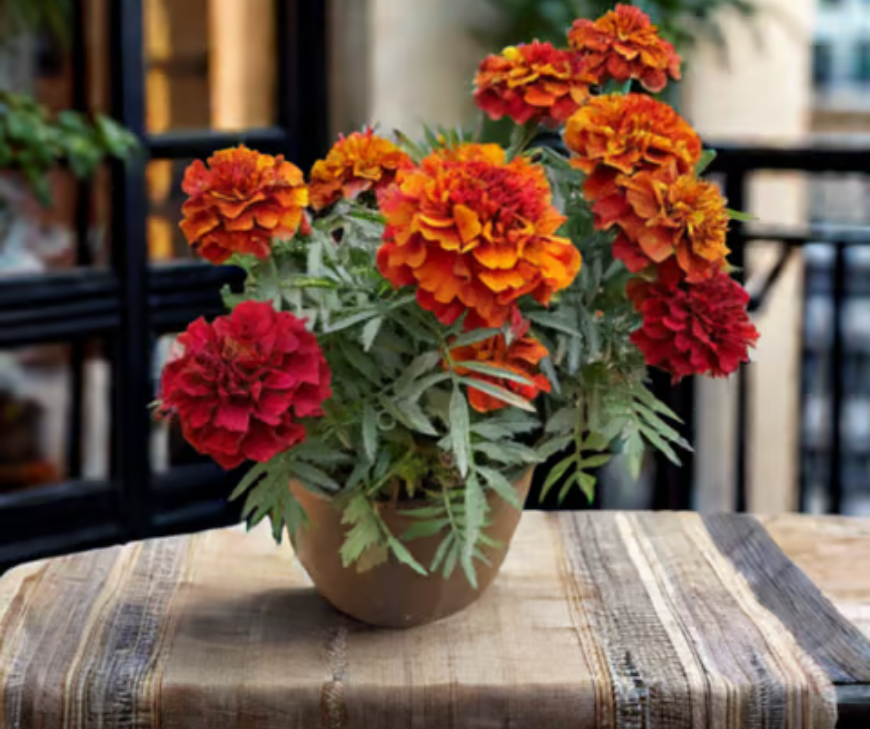
🛒 Get Bonanza African/Jafri Marigold set of 2 here Perfect for balcony pots!
2. French Marigolds (Tagetes patula) - Dwarf Varieties for Edging & Pots
These are compact and bushy, making them the favourite for urban balcony gardeners.
- Height: 8-18 inches.
- Bloom style: Quilled, ruffled, single or double flowers that are smaller (2-3 inches) but bloom much more profusely.
- Best for: Balconies, terrace gardens, containers, and borders.
- Winter trait: Very compact; they provide dense flowering even in mild climates.
- Popular Varieties: Bonanza, Paprika.
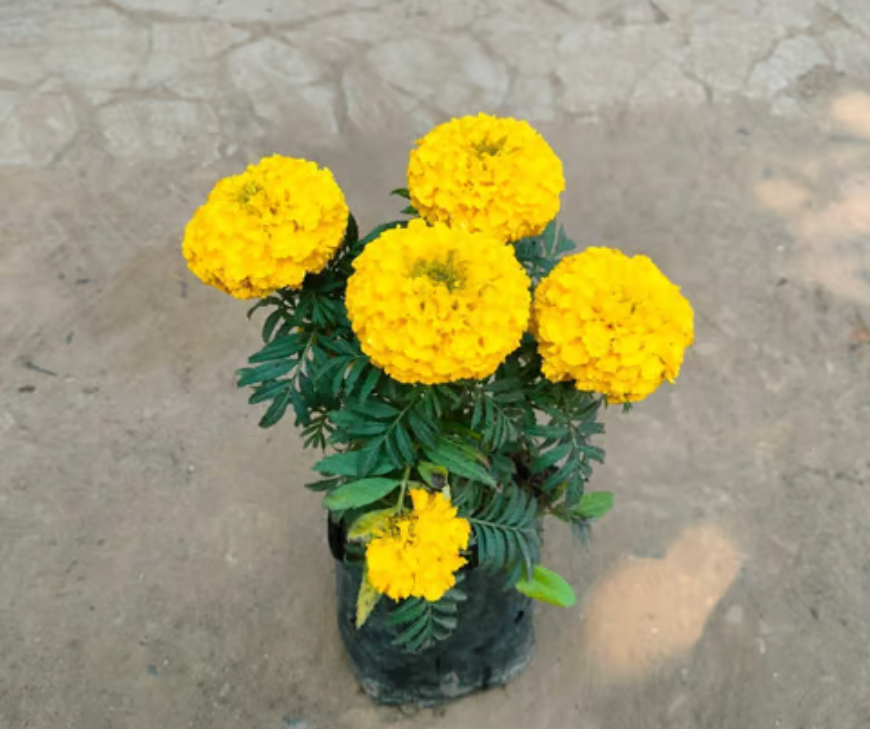
🛒 Buy Pusa Narangi Genda 4" nursery plant, winter blooms perfect for Diwali garlands at starting at just ₹29 only!
3. Signet Marigolds (Tagetes tenuifolia) - Culinary & Specialty Varieties
The delicate members of the family.
- Height: 6-12 inches (the smallest type).
- Bloom style: Tiny, 1-inch single flowers with a unique citrus scent.
- Edibility: These are the only culinary marigold varieties safe for eating! Their petals add a tangerine-like flavour to salads.
- Best for: Companion planting, herb gardens, and edible landscaping.
- Popular Varieties: Petite Yellow and Golden Gem.
Best Marigold Varieties for Winter Blooms in India
These are some of the best varieties of marigolds that will make your garden look like a carpet of gold.
| Variety | Type | Height | Colours | Cold Tolerance | Best For |
|---|---|---|---|---|---|
| Pusa Narangi Gainda | African | 2.5 ft | Deep orange | Excellent (5–25°C) | Diwali garlands, festivals, and winters |
| Pusa Basanti Gainda | African | 2–3 ft | Bright yellow | High (Zone 9–10) | Cut flowers, temple borders |
| Bonanza | French | 10–12 in | Yellow / Orange | Excellent (dwarf) | Terrace gardens, small pots |
| Pusa Arpita | African | 2.5 ft | Red-orange | Frost resistant | Weddings, North India |
| Paprika | French | 12 in | Reddish-orange | Heat + cold tolerant | Monsoon-to-winter transition |
| Petite Yellow | Signet | 8–10 in | Citrus yellow | Culinary pick | Salads, herb pots |
| Golden Gem | Signet | 10 in | Golden yellow | Companion star | Veggie garden borders |
AAS Winner & Award-Winning Marigold Varieties
Several varieties in this table have earned prestigious recognition:
- Bonanza Series: All-America Selections (AAS) Gold Medal winner for exceptional uniformity and early blooming in diverse climates.
- Pusa Narangi & Pusa Basanti: Developed by the Indian Agricultural Research Institute (IARI), these are certified for high yield and disease resistance across Indian zones.
Browse all marigold varieties at Urvann – From ₹30 with free next-day delivery!
Tagetes vs Calendula: Know the Difference for Winter Gardening
Many of our local nursery buyers confuse Tagetes (true marigolds/Genda) with Calendula (pot marigolds). If you want those big, fluffy pom-poms for your Diwali decor, you need Tagetes. Here is a quick breakdown to help you spot the difference:
| Feature | Marigold (Tagetes erecta / patula) | Calendula (Pot Marigold) |
|---|---|---|
| Bloom Size | Large African to dwarf French varieties | Medium, daisy-like flowers |
| Colours | Yellow, orange, red, white, bicolour | Orange and yellow only |
| Height | 6 inches to 3 feet | 12–18 inches |
| Edibility | Signet varieties only (T. tenuifolia) | Fully edible petals |
| Best Use in India | Garlands, Diwali decor, borders | Culinary and medicinal uses |
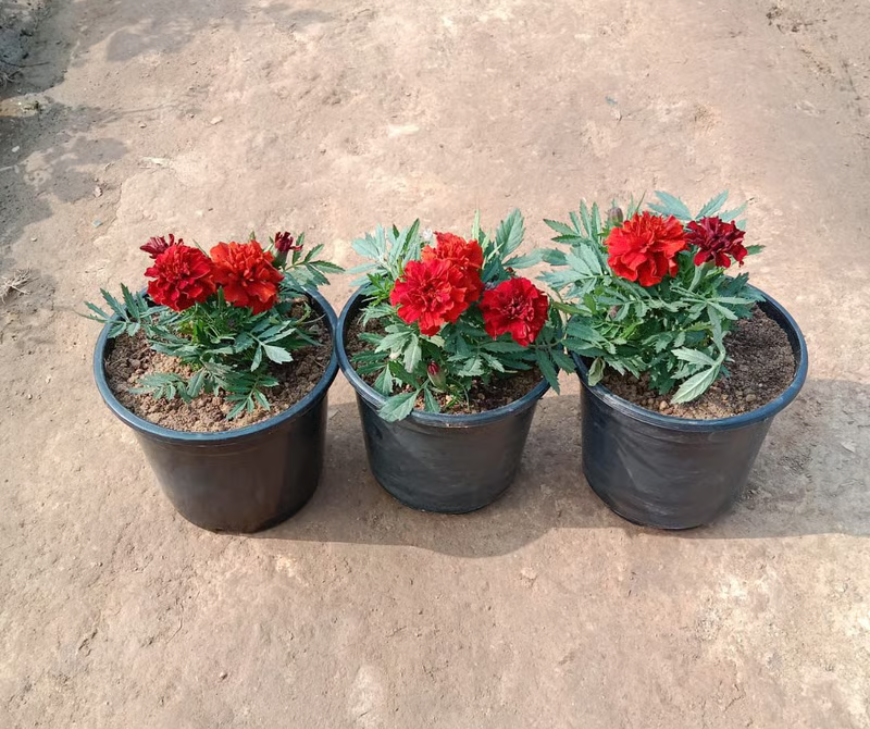
Why is Winter Perfect for Growing Marigolds in India?
Do you ever wonder why winter is perfect for growing marigolds in India?
Unlike their summer counterparts that sometimes struggle in our brutal May heat, winter marigolds offer superior colour intensity and longer bloom periods. They thrive in the mild temperatures of India's Rabi season, typically between 5°C and 25°C. This cool weather helps the plants produce deeper pigments—those rich oranges and sulfur-yellows we love so much.
From October through February, these vibrant blooms transform balconies, borders, and festival celebrations across the country.
How to Choose the Right Winter Marigold Variety for Your Indian Garden
By Geography & Climate Zone
North India: The winter here can be biting. Cold tolerance is critical as night temperatures can drop to 5-15°C.
- Best picks: Pusa Narangi Gainda, or Pusa Basanti.
- Planting: Sow in October-November for a peak harvest during the January-February wedding rush.
South India: Winters are mild (15-25°C), so you need varieties that can also handle some heat.
- Best picks: Paprika, or Bonanza, which are famous for their "weather-tolerant" stems.
- Planting: You can sow in November-December for almost year-round colour.
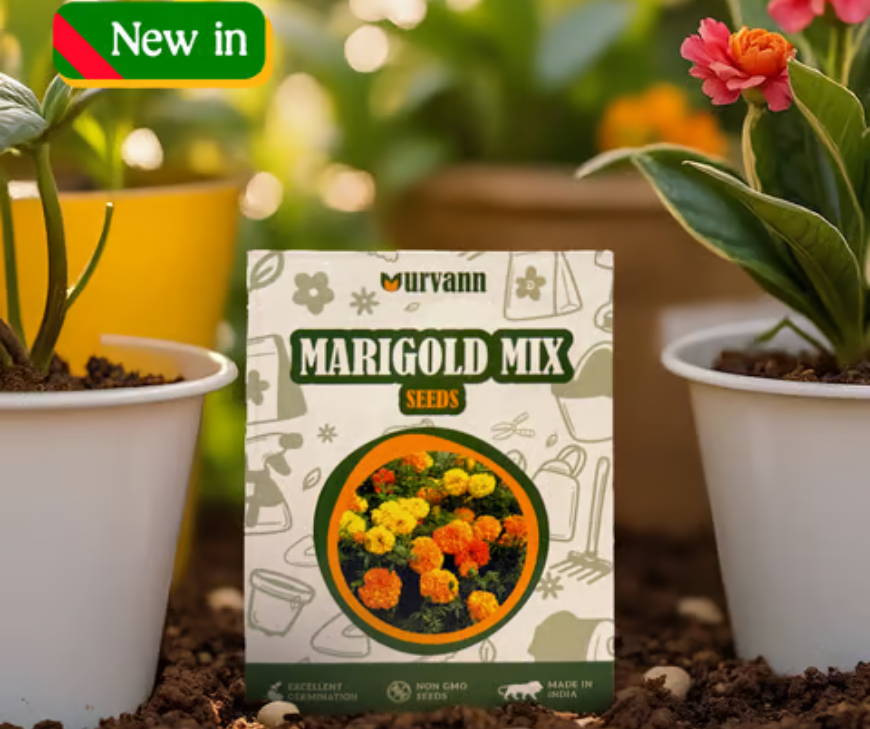
🛒Buy Bulk marigold seeds from ₹30 – GMO-free, excellent germination, easy to grow!
Winter-Specific Care Tips for Marigolds
For Frost-Prone Areas:
- The Burlap Trick: Cover your plants with a light cloth or burlap on nights when the mercury is predicted to fall below 5°C.
- Morning Sips: Always water your marigolds in the morning. Evening watering can lead to ice forming on the leaves or root rot if the water doesn't evaporate.
For Balconies:
- Chase the Sun: Move your pots to sunny, south-facing walls during cold snaps. Marigolds need at least 5-6 hours of full sun to bloom well.
- Pot Choice: Use terracotta pots. They provide much better temperature regulation for the roots than plastic ones.
Fertilising:
Balanced Diet: Use a balanced NPK (like 2:3:3) every 3 weeks.
The Nitrogen Trap: Reduce nitrogen application during peak winter. Too much nitrogen will give you lush green leaves but absolutely zero flowers!
Common Issues & Quick Fixes
Don't panic if your Genda looks a bit "off." Most problems are easy to solve:
| Problem | Cause | Fix |
|---|---|---|
| Wilted leaves | Underwatering or cold shock | Water deeply in the morning; mulch the roots |
| Yellow leaves | Too much shade or overwatering | Move to full sun; let the top inch of soil dry out |
| Leggy stems | Insufficient light | Prune (pinch) the tips and move to a sunnier spot |
| Aphids / Whiteflies | Common in mild winters | Use neem oil spray or yellow sticky traps |
| Powdery mildew | High humidity / low sunlight | Improve air circulation; avoid watering the leaves |
| No blooms | Wrong variety or late sowing | Ensure 6+ hours of sun; switch to early-blooming French types |
Companion Planting: Best Marigold Varieties for Pest Control
Marigolds are literally the "garden's bodyguard." Their roots secrete a substance called alpha-terthienyl, which is toxic to root-knot nematodes that eat your vegetable roots.
Top Companion Planting Combinations:
- Winter Vegetable Garden: Plant Pusa Narangi with tomatoes to control fruit borers and nematodes. Plant Golden Gem signets near carrots to act as a pest barrier.
- Herb Garden: Pair Petite Yellow Signet with basil and cilantro. The citrus scent of the marigold complements the herbs perfectly.
- Rose Garden: Create a Bonanza border around your roses. The strong scent deters aphids that love tender rose buds.
Marigold Myths Busted: Common Misconceptions
- Myth 1: "All marigolds are edible."
- Truth: No! Only Signet varieties (Tagetes tenuifolia) are safe and tasty. African and French types are bitter and can cause skin irritation in some people.
- Myth 2: "Marigolds die in the heat."
- Truth: While they love winter, varieties like Paprika, Punjab Genda No. 1, and Inca II hybrids are specifically bred to survive 35-40°C transition periods.
- Myth 3: "African marigolds are from Africa."
- Truth: They are native to Mexico. They only got the name "African" because they were brought to Europe via North African trade routes.
- Myth 4: "Purple marigolds don't exist."
- Truth: True purple Tagetes are extremely rare. Most "purple marigolds" sold online are actually Calendula or hybrid zinnias mislabeled as Genda.
Plant Your Perfect Winter Marigold Variety Today
Winter marigold varieties are a low-fuss way to add 90 days of joy to your home.
Your 2025 winter garden checklist:
- ✅ Choose your variety based on height and purpose.
- ✅ Sow seeds in October or transplant healthy seedlings by December.
- ✅ Provide full sun, well-drained soil, and moderate morning water.
- ✅ Mulch the roots and cover during frost peaks in North India.
- ✅ Harvest the blooms regularly to keep the plant flowering for months!
Ready to grow some ceremony-ready Genda phool? Order your marigolds from Urvann, your trusted online nursery, and start growing today.
Urvann Assured: Trusted by over 50,000 plus plant parents, from next-day delivery to expert care, all backed by a 100 per cent quality guarantee!
Frequently Asked Questions About Marigolds
1. What are the best marigolds for a garden?
The "best" depends on your space! For traditional Diwali garlands or large flower beds, tall African Marigolds like Pusa Narangi are the top choice. If you have a sunny balcony or want to edge your walkway, compact French Marigolds like the Bonanza series are perfect as they stay bushy and bloom quickly. For something unique and citrus-scented, try the dainty, edible Signet Marigolds.
2. Which marigolds are best for a vegetable garden?
French Marigolds are the ultimate "garden bodyguards" for your sabzi patch. Their roots release a natural chemical that effectively kills root-knot nematodes attacking your tomatoes and chillies.
3. Which month is best to plant marigolds?
For the most vibrant winter blooms, October to mid-November is the golden window in India. This ensures your Genda is ready for the peak wedding and festival season in January and February.
4. Which marigold variety is best?
If you want the iconic, deep-orange Indian look, Pusa Narangi Gainda is the undisputed champion for its high yield and cultural popularity.
5.What is the largest variety of marigolds?
The giants of the family are the African Marigolds (Tagetes erecta), which can grow up to 3 or 4 feet tall. Varieties like Pusa Bahar are also prized in North India for their large, attractive yellow blooms that stand out in any landscape.
6.Which colour marigold is best?
In India, Deep Orange (like Pusa Narangi) and Sulfur Yellow (like Pusa Basanti) are considered the most auspicious for religious ceremonies and weddings. These vibrant hues symbolise energy and prosperity.
7. Which marigold variety is best for pest control?
French Marigolds are the most effective variety for natural pest control. They are superior at suppressing root-knot and lesion nematodes in the soil compared to African types. Their strong, pungent aroma also helps repel whiteflies and aphids from nearby plants.
8. What should you not plant next to marigolds?
While marigolds are great companions, you should avoid planting them too close to members of the Cabbage family, such as cauliflower or broccoli, as they can sometimes compete for nutrients. Also, be careful with very tender, young seedlings, as marigolds can occasionally attract slugs or snails that might munch on your vulnerable plants.
9. Can you grow marigolds in winter?
Absolutely! Cold-tolerant varieties like Pusa Narangi Gainda and Bonanza are made for Indian winters, blooming their hearts out from December to February.
10. What is the best marigold variety for the winter season in India?
For commercial use and large gardens, Pusa Narangi Gainda (African) is the #1 choice. It handles 5°C nights and is the best for Diwali garlands.
Heena
1/2/2026, 10:33 AMI have marigold plant but it's getting dry and white moldy is also appearing what to do, i purchased from urvann, before it was nice , 2 plants full got fungus, can u tell how to take care of marigold plant