


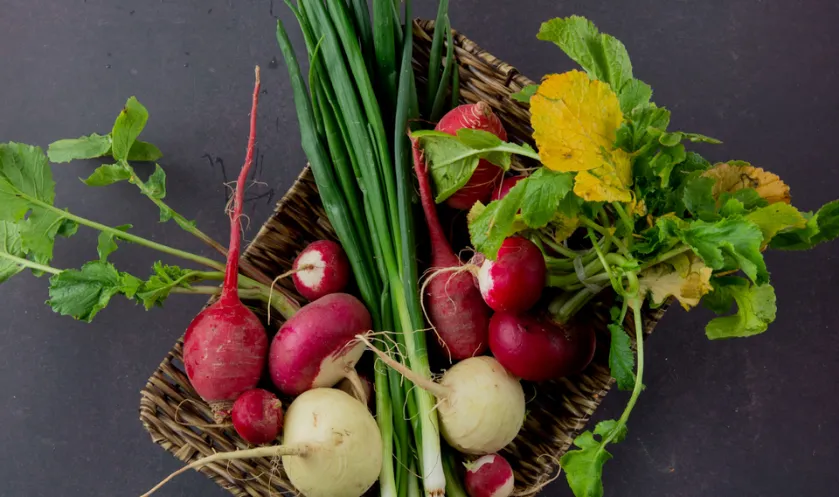
Winter is honestly the best season to grow your own food in India. From October to February, when the weather stays cool, and the pests finally stop behaving like uninvited guests, your garden gets a chance to shine.
Whether you have a balcony, terrace garden, or even a tiny patch of land, winter is the perfect time to grow nutritious, flavourful, seasonal vegetables. Think Gajar Halwa, Sarson da Saag, fresh Matar, and crunchy Mooli straight from your own garden.
Let’s dig in and explore the top 20 winter vegetables in India that will give you a truly bountiful sardiyon ka mausam.
20 Winter Vegetables To Grow In India
1. Spinach / Palak

Spinach is one of the most popular winter season vegetables in India. It grows fast, grows anywhere, and gives you fresh leaves every few days.
Why grow Palak?
- Perfect for saag, soups, dals, rotis
- Rich in iron
- Ready to harvest in 30–40 days
How to Grow: Choose a sunny place or a pot and sow seeds directly in moist soil. Spinach does not like transplanting. Keep the soil a little moist and pluck the outer leaves first. Inner leaves will keep growing, so you get fresh palak for weeks.
Harvest Tip: Harvest outer leaves first. Do not pull the whole plant. New leaves will keep growing from the centre, giving fresh palak for weeks.
2. Carrot / Gajar

Gajar is a popular winter vegetable and grows very well in cold weather. It is crunchy, slightly sweet and perfect for halwa, salads and juices. Many Indian households wait for winter just to enjoy fresh gajar in daily cooking.
Why grow Gajar?
- Great for salads, juices, and halwa
- Packed with beta carotene and vitamin A
- Stays fresh for a long time when stored properly
How to Grow: Use soft, stone-free soil and sow carrot seeds directly. Give space between seeds, so roots grow straight. Water regularly. Thin small plants if crowded. Carrots are ready in 70–80 days.
Harvest Tip: Harvest carrots when roots reach full size and colour. Loosen soil gently with a fork to pull them out without breaking.
3. Cauliflower / Phool Gobhi

Phool gobhi is a common winter vegetable in India and appears in every market as soon as temperatures drop. It has a mild taste and works well in daily dishes like sabzi, paratha stuffing, pakoras and pulao.
Why grow Cauliflower?
- Super versatile for Indian cooking
- Nutritious and fibre-rich
How to Grow: Plant cauliflower in sunny, fertile soil. Mulch the soil around the base to keep it cool. Water regularly and check leaves for pests. Pick the head when firm and tight.
Harvest Tip: Pick cauliflower heads when they are firm, compact, and white. Cut the stem just below the head.
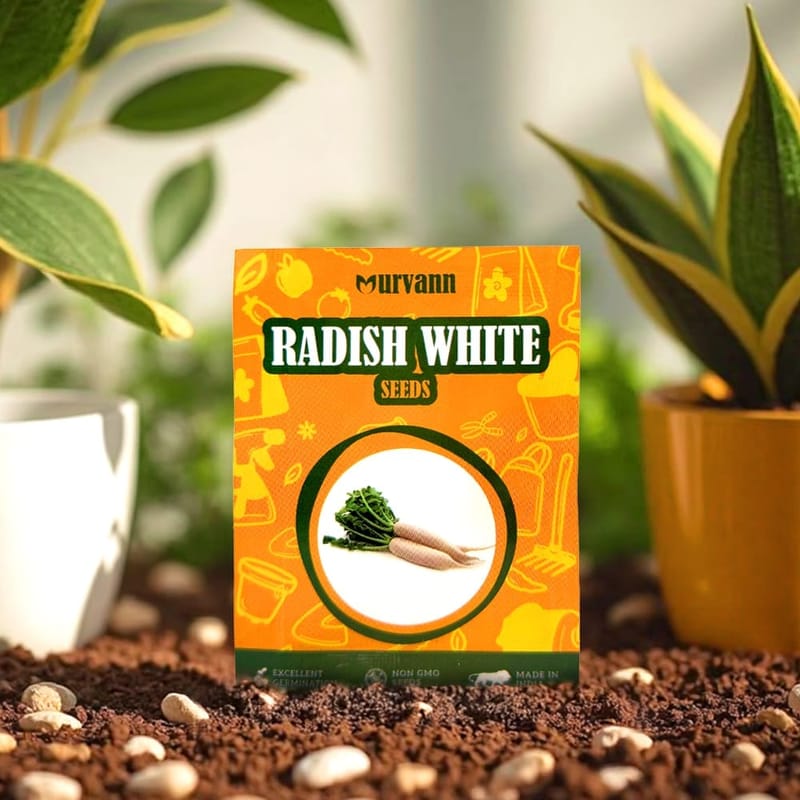
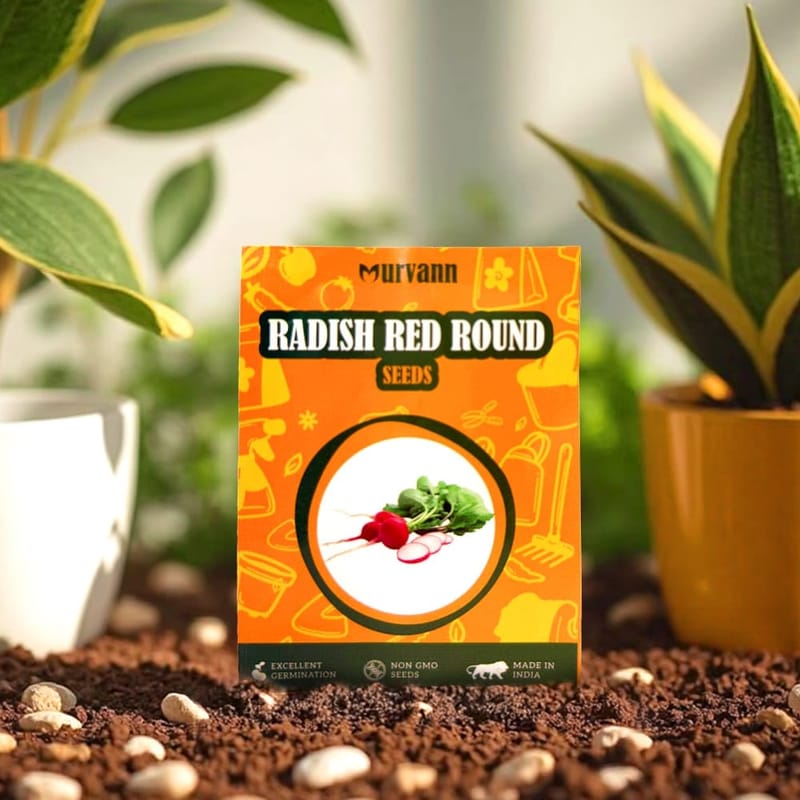
4. Radish / Mooli
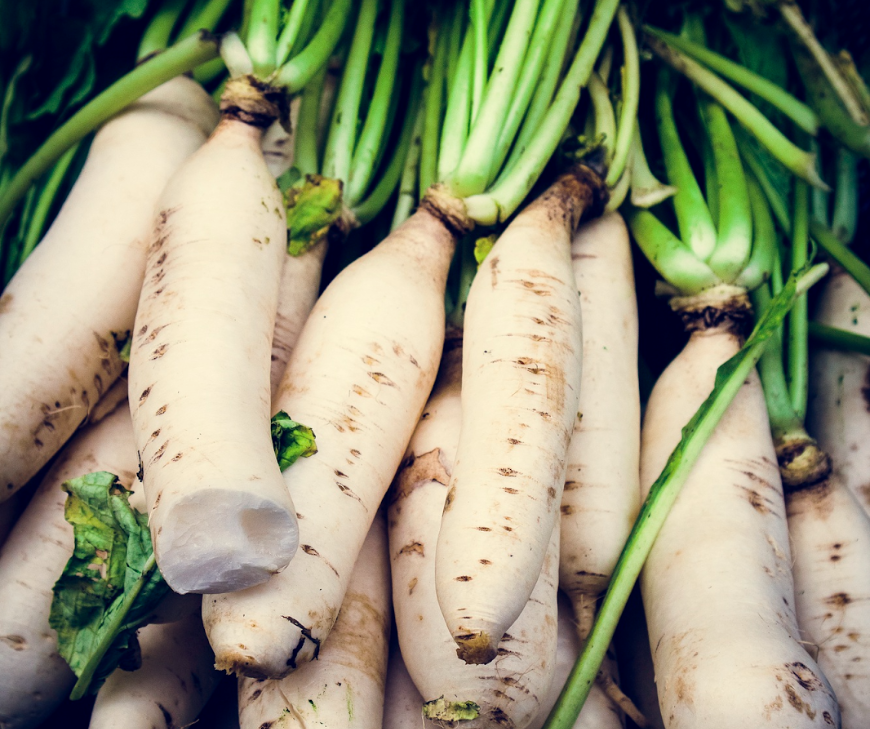
Mooli becomes fresher and sharper in winter, which is why it is used in parathas, pickles, salads and curries across India. It gives both the root and green leaves, making it a useful winter crop.
Why grow Mooli?
- Ready in just 30 days
- Great for digestion
- Gives greens plus root – double harvest
How to Grow: Sow radish seeds directly in loose soil. Keep space between seeds. Thin small plants so roots grow long and straight. Water regularly. Mooli is ready in 30–45 days.
Harvest Tip: Harvest radish when roots are medium-sized, crisp, and firm. Pull gently to avoid breaking the root
5. Peas / Matar

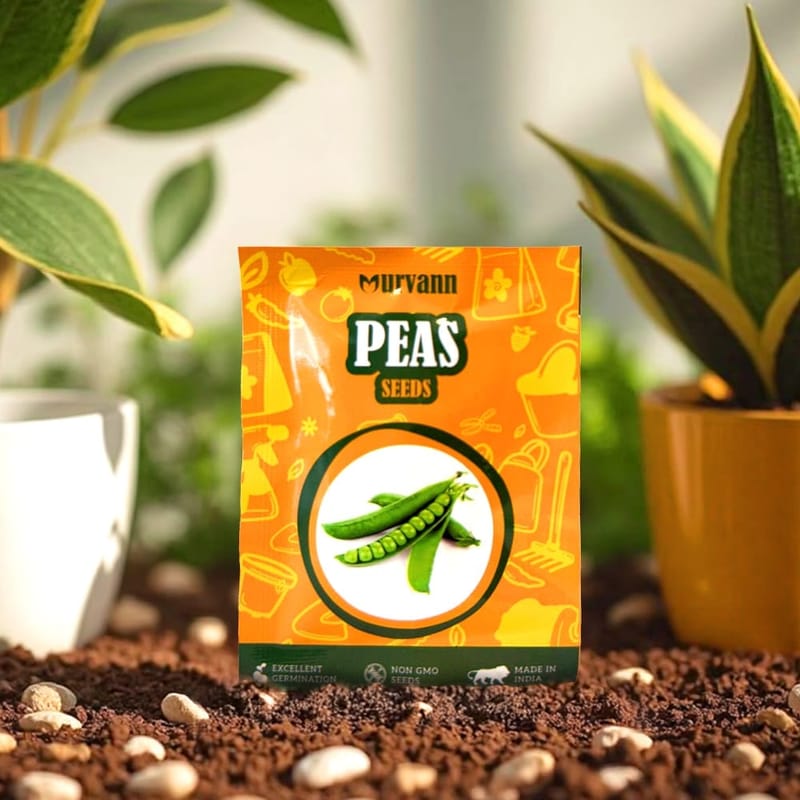
Fresh green matar is a winter favourite and adds a sweet flavour to many dishes. It is used in aloo matar, matar paneer, pulao, poha and many daily meals.
Why grow Matar?
- Sweet, fresh flavour
- Improves soil fertility
- Kids love harvesting pods
How to Grow: Plant peas near a trellis or support. Water at the base, not on leaves. Keep in the sun. Pick pods regularly to get more pods.
Harvest Tip: Pluck tender young leaves from the top. Regular harvesting encourages new growth and keeps the plant producing.
6. Mustard Greens / Sarson
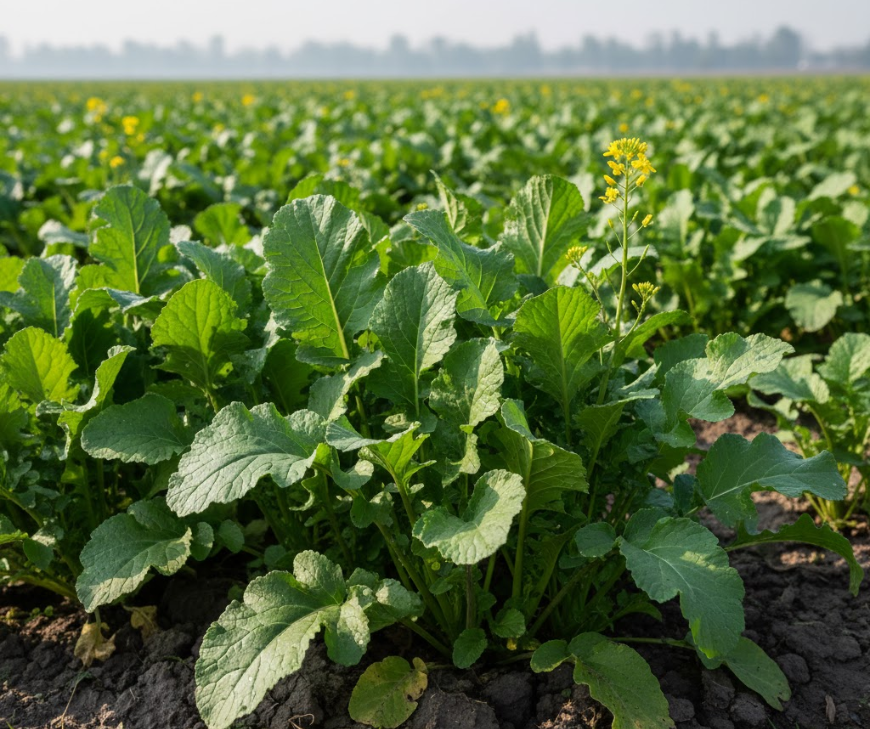
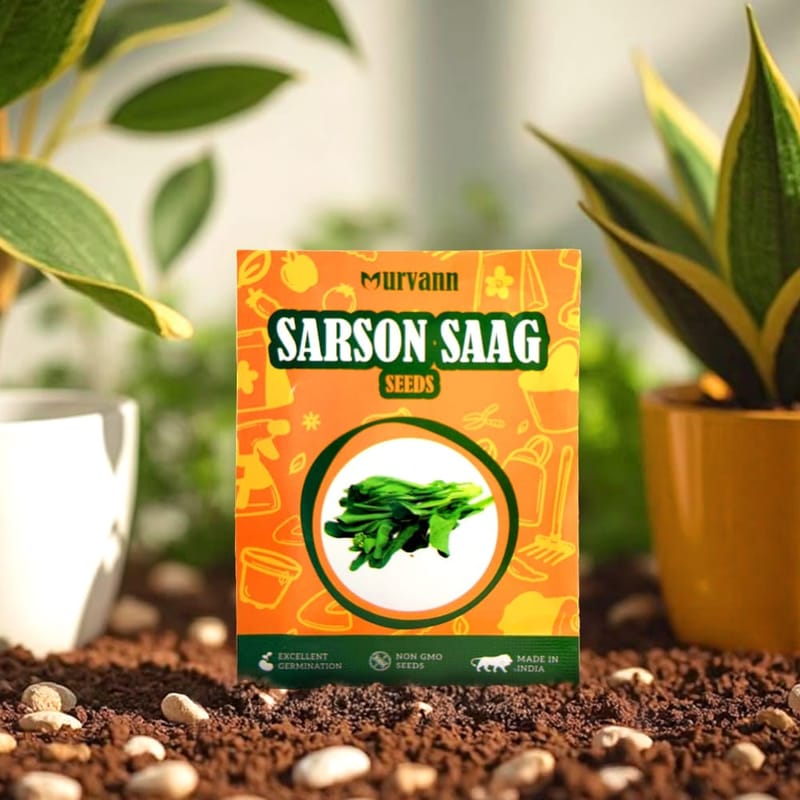
Sarson grows fast in winter and is used widely in North India. It is the main ingredient for sarson ka saag and is known for its strong flavour and nutrition.
Why grow Sarson?
- Essential for winter cooking
- High in antioxidants
- Simple to grow in any soil
How to Grow: Sow mustard seeds in sunny soil. Keep soil slightly moist. Pick young leaves regularly. This will make the plant grow more and give leaves continuously.
Harvest Tip: Pluck tender young leaves from the top. Regular harvesting encourages new growth and keeps the plant producing.
7. Bitter Gourd
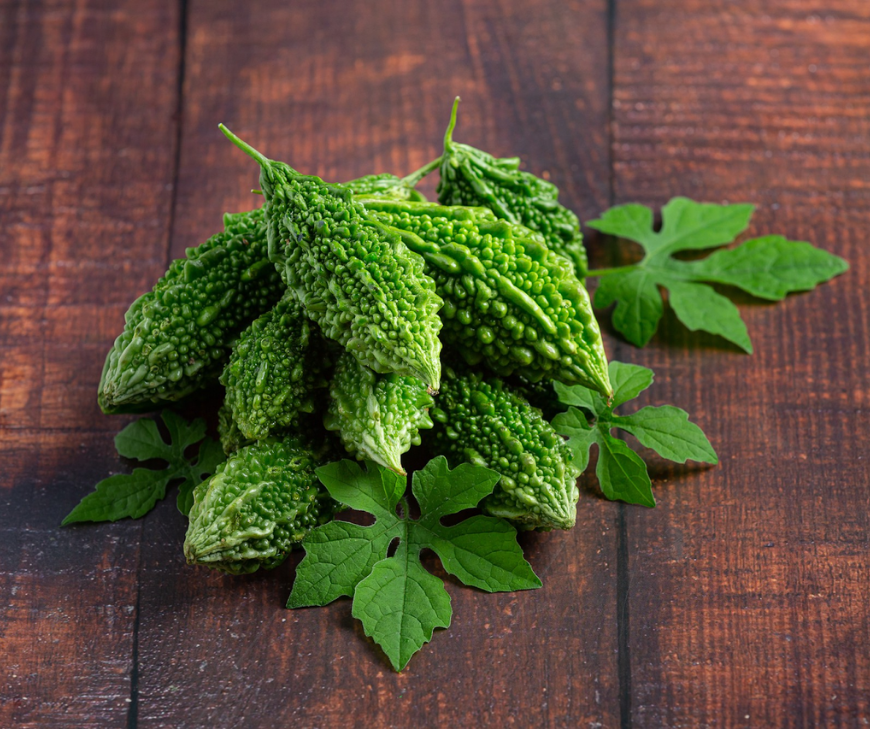
Bitter gourd is a popular summer vegetable known for its distinct taste and health benefits. It is commonly used in stir-fries, curries and juices.
Why grow Bitter Gourd?
- Harvest starts in 55 to 65 days
- Climbing plant with high yield
- Rich in vitamins and antioxidants
How to Grow: Sow seeds in well-drained soil with full sunlight. Provide a trellis or support for vines to climb. Water regularly, but avoid waterlogging.
Harvest Tip: Pick bitter gourds when they are young, firm and bright green. Overripe fruits turn yellow and become too bitter.

8. Cabbage / Patta Gobhi
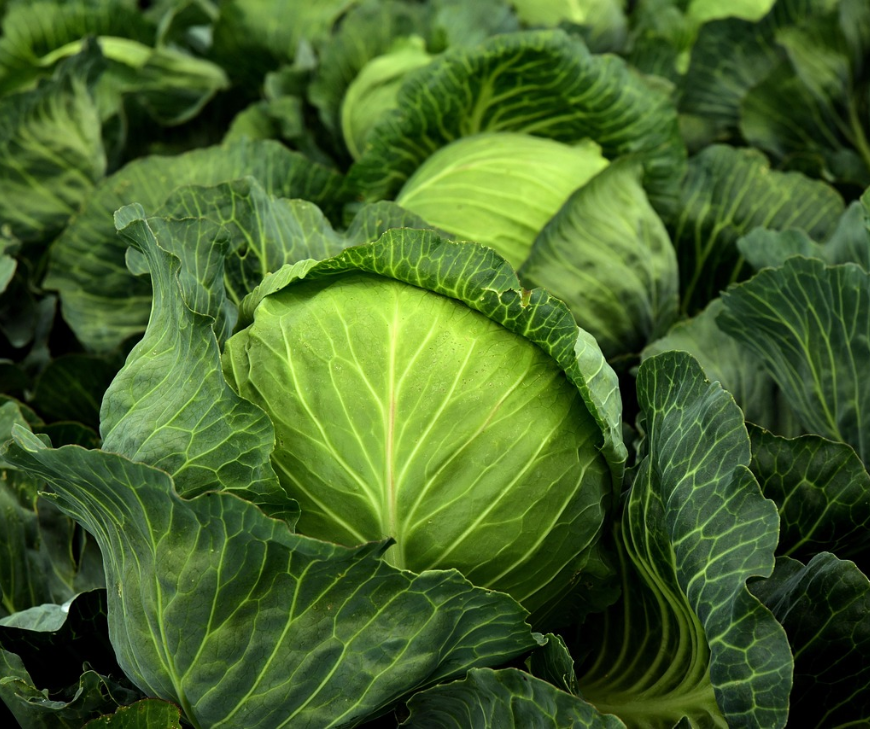
Cabbage grows very well in cool weather and is commonly seen in every Indian market during winter. It is used for sabzi, rolls, salads, momos and even fried rice.
Why grow Cabbage?
- Produces compact and heavy heads
- Rich in vitamin C
- Lasts long when kept in a cool place
How to Grow: Plant cabbage in sunny, fertile soil. Water regularly. Keep outer leaves healthy; they protect the head. Pick cabbage when the head is firm and heavy.
Harvest Tip: Cut cabbage heads when they are firm and tight. Remove damaged outer leaves if necessary.
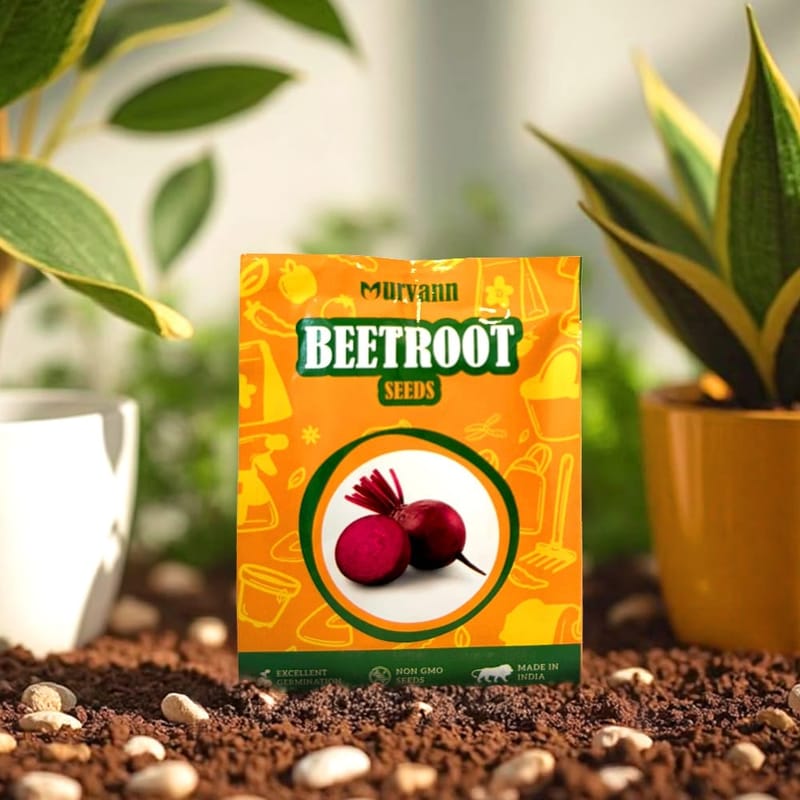
9. Beetroot / Chukandar

Beetroot is a hardy desi vegetable that loves cold weather. It grows both root and leaves, so you get two edible parts from one plant.
Why grow Beetroot?
- Good for salads, juices and sabzis
- High in folate and minerals
- Grows well in small spaces
How to Grow: Sow beetroot seeds directly in loose soil. Thin the seedlings so the roots have space. Keep soil moist. You can eat both roots and leaves.
Harvest Tip: Harvest roots when they are medium to large, firm, and colourful. Leaves can also be picked for cooking.
10. Corn
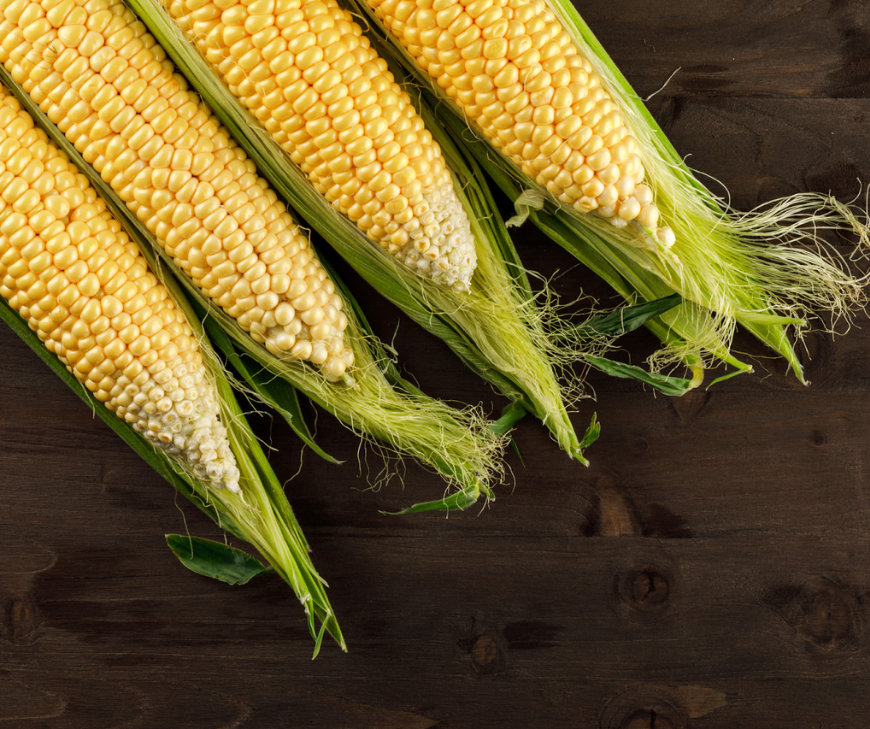
Corn is a fast-growing crop loved for its sweet, crunchy kernels. It can be boiled, roasted or added to salads and snacks.
Why grow Corn?
- Harvest in 70 to 90 days
- High yield from limited space
- Good source of fibre and energy
How to Grow: Sow seeds directly in the soil with enough spacing. Needs full sunlight and regular watering.
Harvest Tip: Harvest cobs when silks turn brown, and kernels feel full. Best eaten fresh for maximum sweetness.
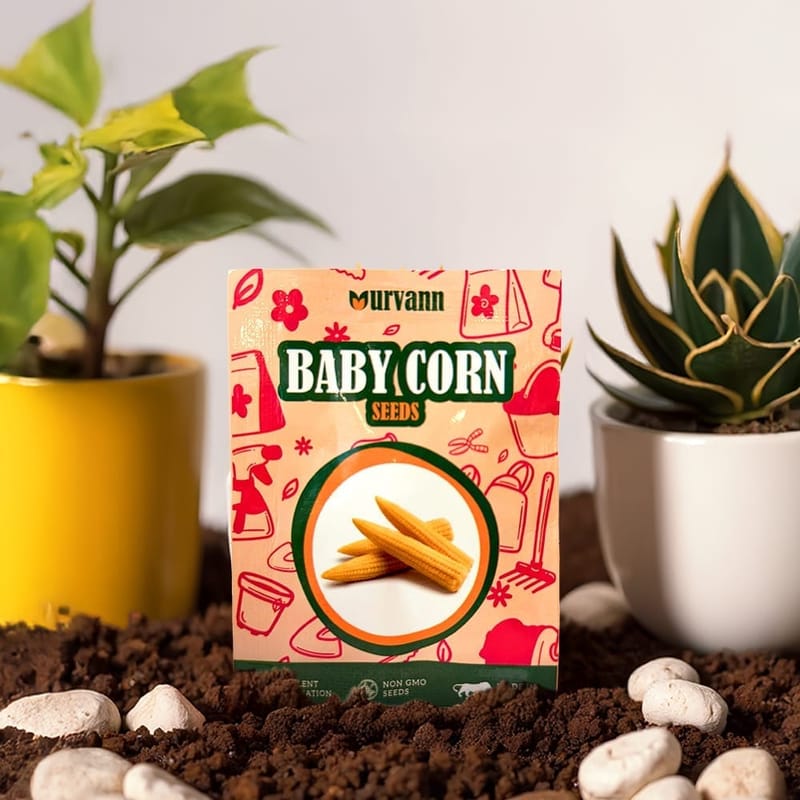
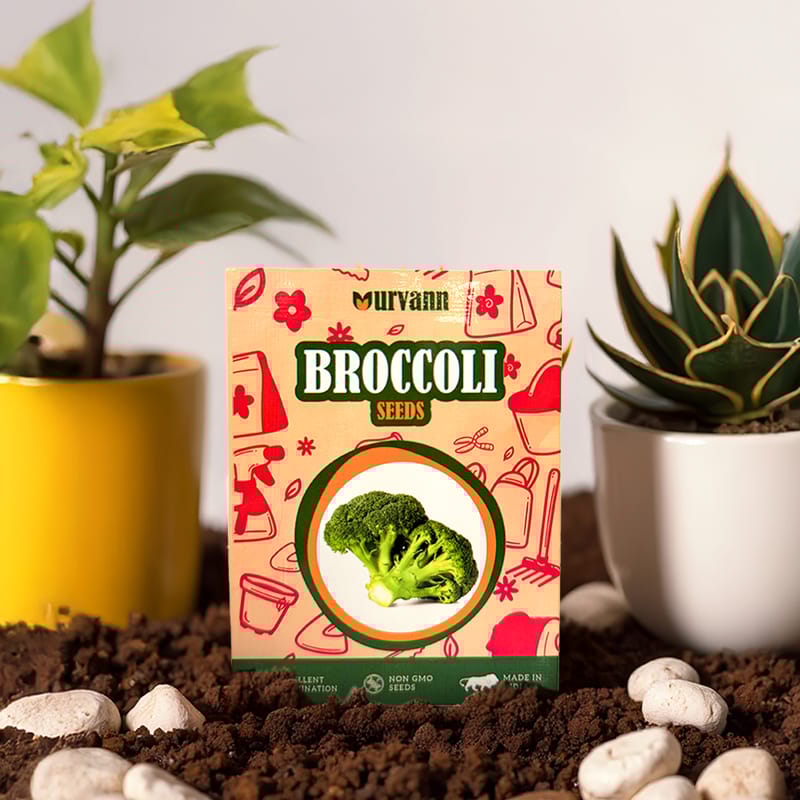
11. Broccoli
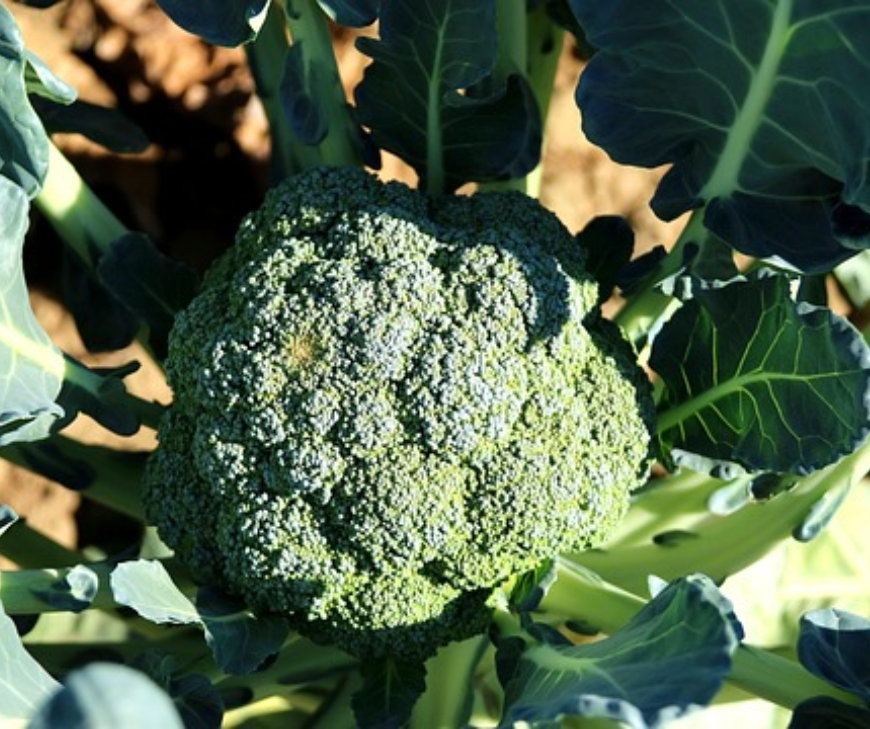
Broccoli needs cool temperatures to form tight green heads. It is becoming more common in Indian kitchens due to its nutritional value.
Why grow Broccoli?
- High in vitamins A and C
- Good for stir fry and soups
- Grows well in a winter climate
How to Grow: Grow broccoli in full sun with regular watering. Cut the main head when firm to encourage side shoots to grow for extra harvest.
Harvest Tip: Cut the main head when firm and tight. Side shoots will continue to grow, giving an extra harvest.
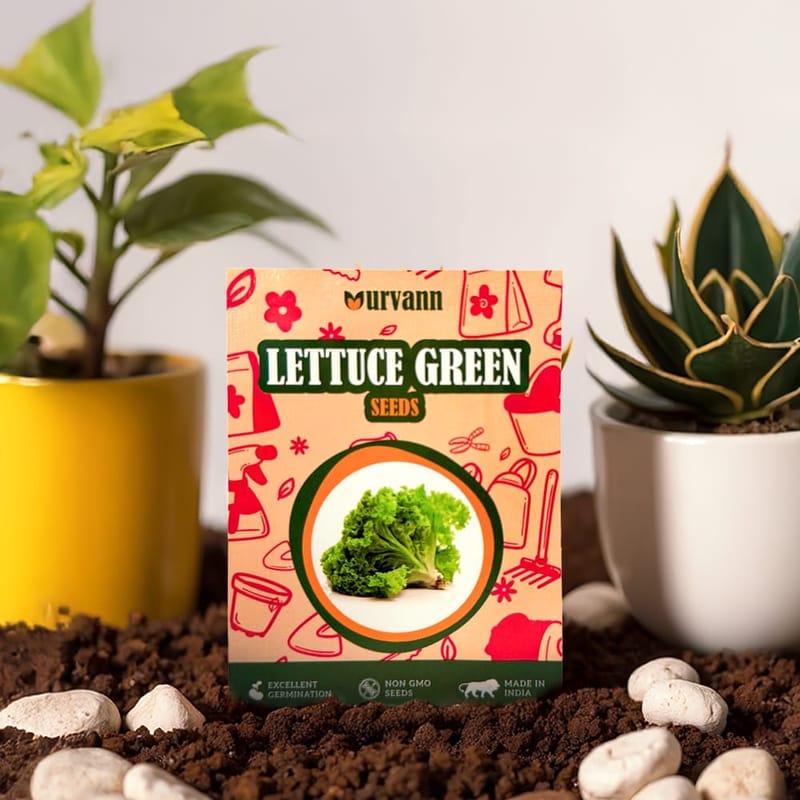
12. Lettuce
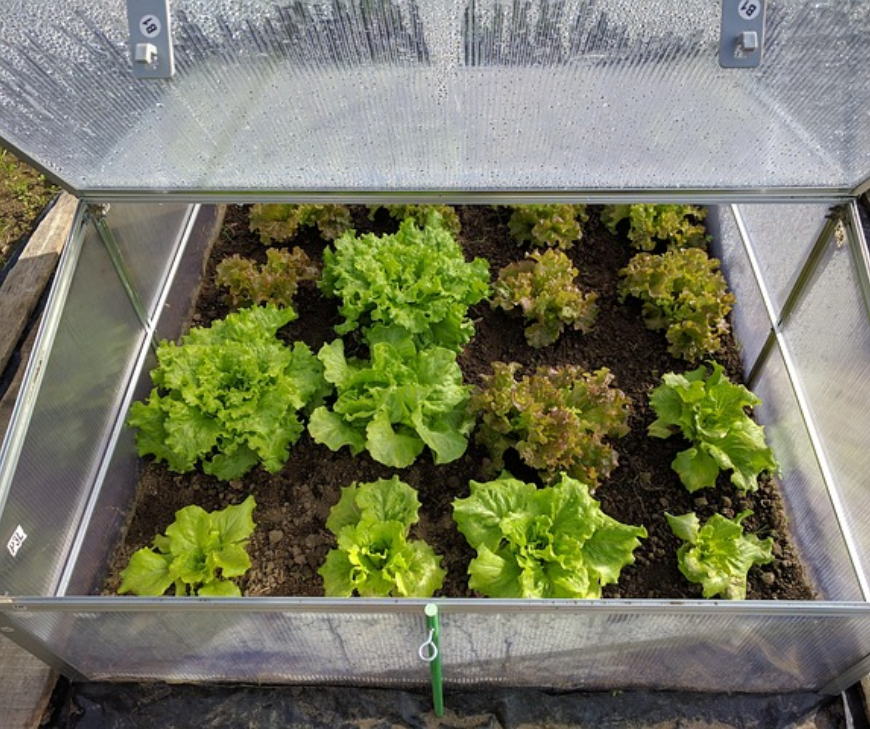
Lettuce grows quickly in cold weather and gives fresh leaves for sandwiches and salads. It is one of the easiest leafy winter veggies to maintain.
Why grow Lettuce?
- Very fast-growing
- Needs very less space
- Gives continuous harvest
How to Grow: Plant lettuce in moist soil and partial sun. Harvest outer leaves regularly while letting inner leaves keep growing for a continuous supply.
Harvest Tip: Pick outer leaves first. Inner leaves will continue growing. Avoid harvesting all leaves at once.
13. Red Radish
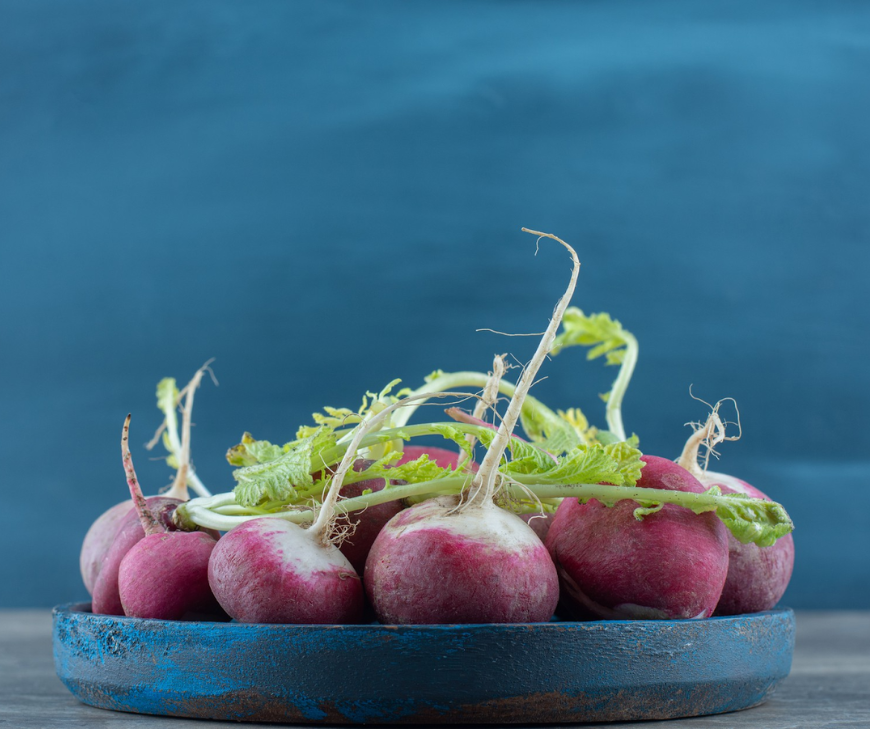
Red radish is a fast-growing root vegetable with a crisp texture and mild peppery taste. It is eaten raw in salads or cooked in sabzis.
Why grow Red Radish?
- Ready to harvest in 25 to 30 days
- Grows easily in small spaces
- Good source of vitamin C
How to Grow: Sow seeds directly in loose, soft soil. Keep the soil moist for proper root development.
Harvest Tip: Pull radishes when roots are tender and brightly colored. Harvest on time to avoid a spongy texture.
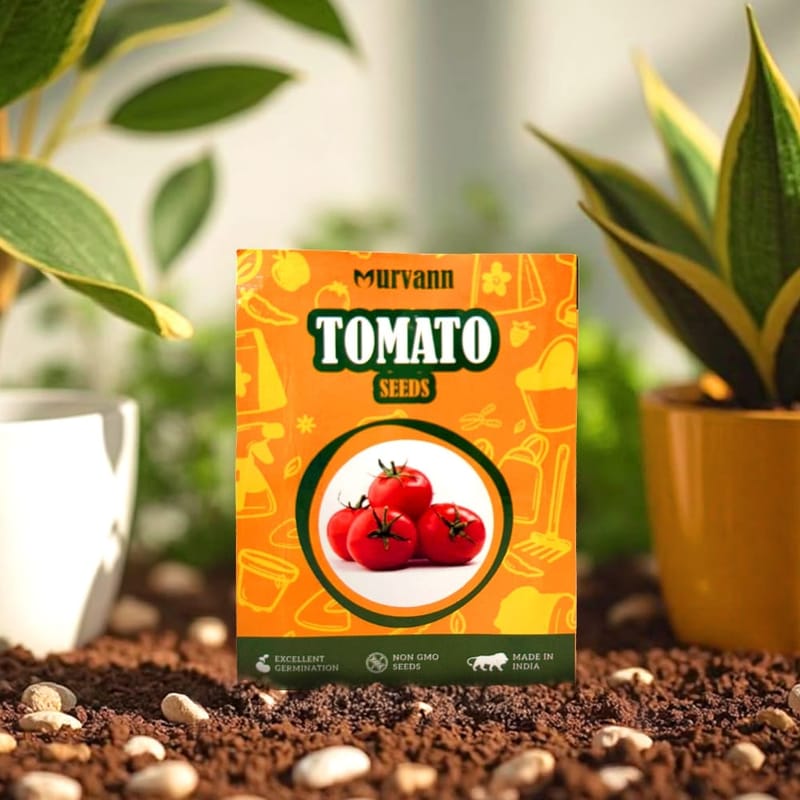
14. Tomato
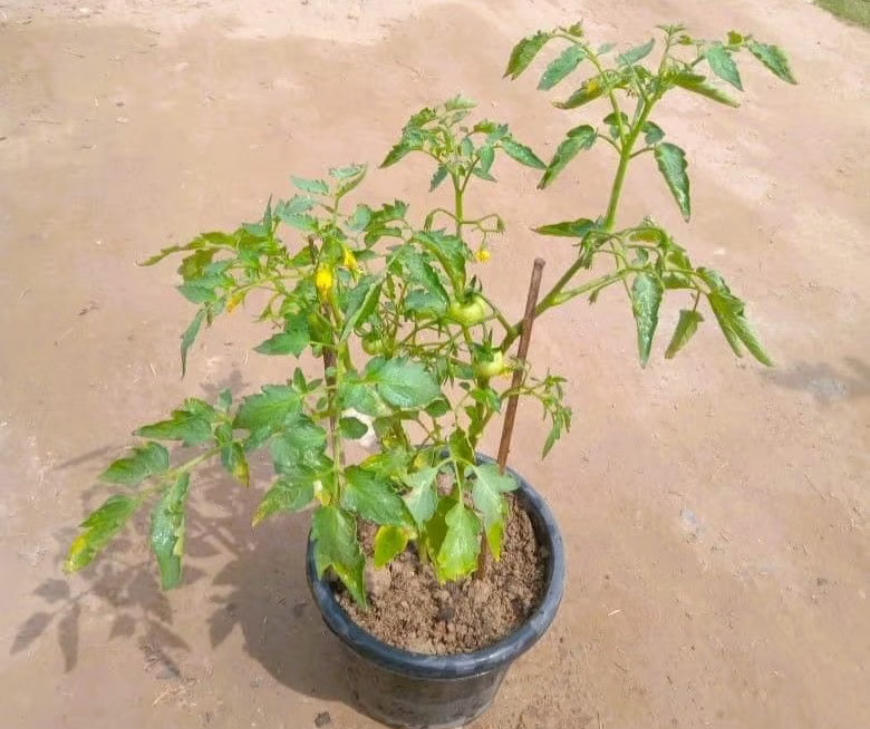
Tomatoes are one of the most commonly grown vegetables in home gardens. It is juicy, versatile, and used in curries, chutneys, salads and sauces.
Why grow Tomatoes?
- Ready to harvest in 60 to 80 days
- Grows well in pots or the ground
- Rich in vitamin C and antioxidants
How to Grow: Sow seeds in well-drained soil with good sunlight. Water regularly, but avoid waterlogging. Support plants with stakes as they grow.
Harvest Tip: Pick tomatoes when they are firm and fully colored. Regular harvesting encourages more fruiting.
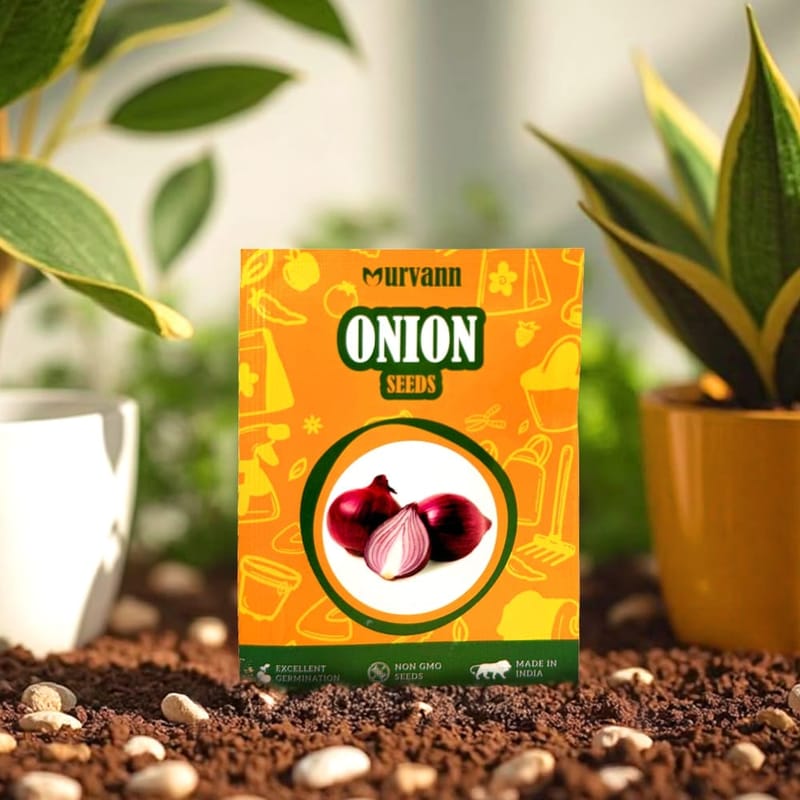
15. Onion / Pyaaz

Onion is a kitchen staple used in almost every Indian dish. It adds flavour, aroma and texture to meals.
Why grow Onions?
- Easy to grow and store
- Bulbs and green tops are both edible
- Good source of vitamins and minerals
How to Grow: Plant onion seeds or bulbs in loose, fertile soil. Ensure proper sunlight and moderate watering.
Harvest Tip: Pull onions when tops turn yellow and start drying. Let bulbs dry before storage for a longer shelf life.
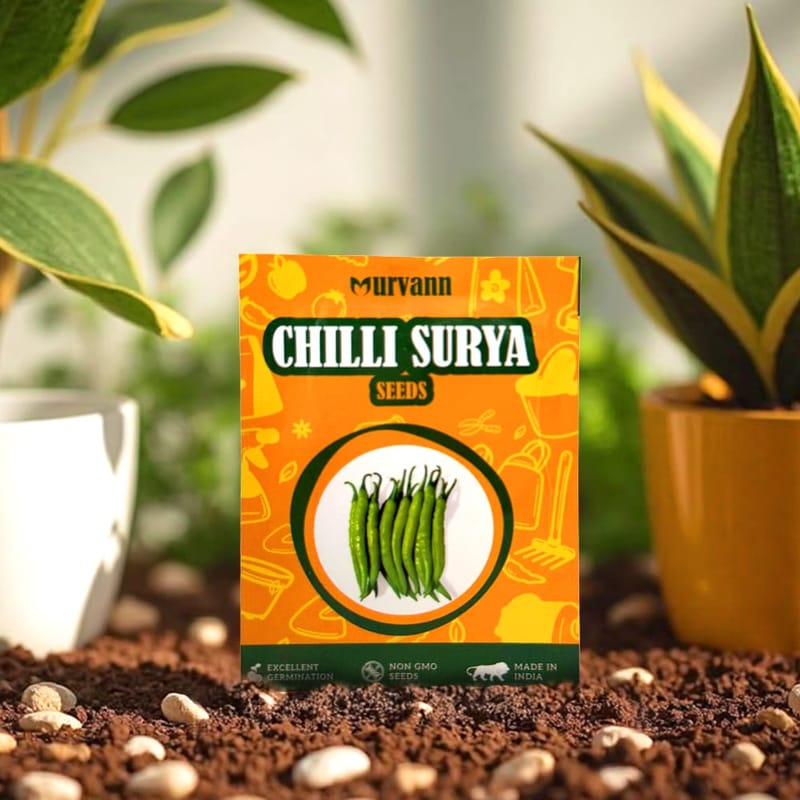
16. Green Chilli
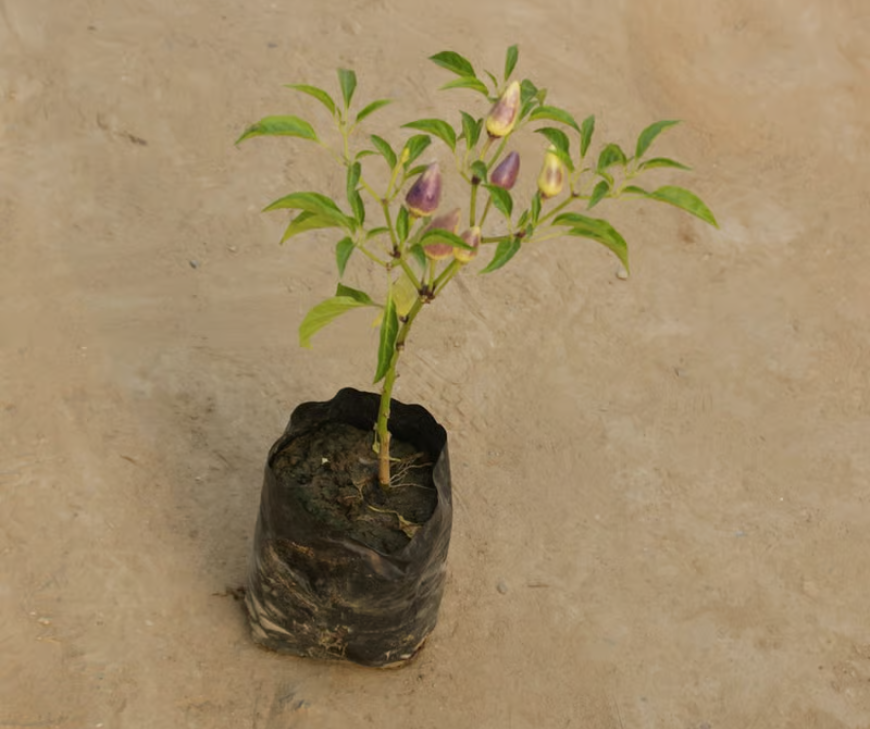
Green chilli adds heat and flavour to everyday cooking. It grows well in small spaces and produces continuously.
Why grow Green Chilli?
- Quick and long harvest period
- Grows well in pots
- Rich in vitamin C and antioxidants
How to Grow: Plant seeds in moist, well-drained soil under full sunlight. Water lightly but consistently.
Harvest Tip: Pick chillies when they are firm and glossy green. Frequent harvesting boosts new growth.
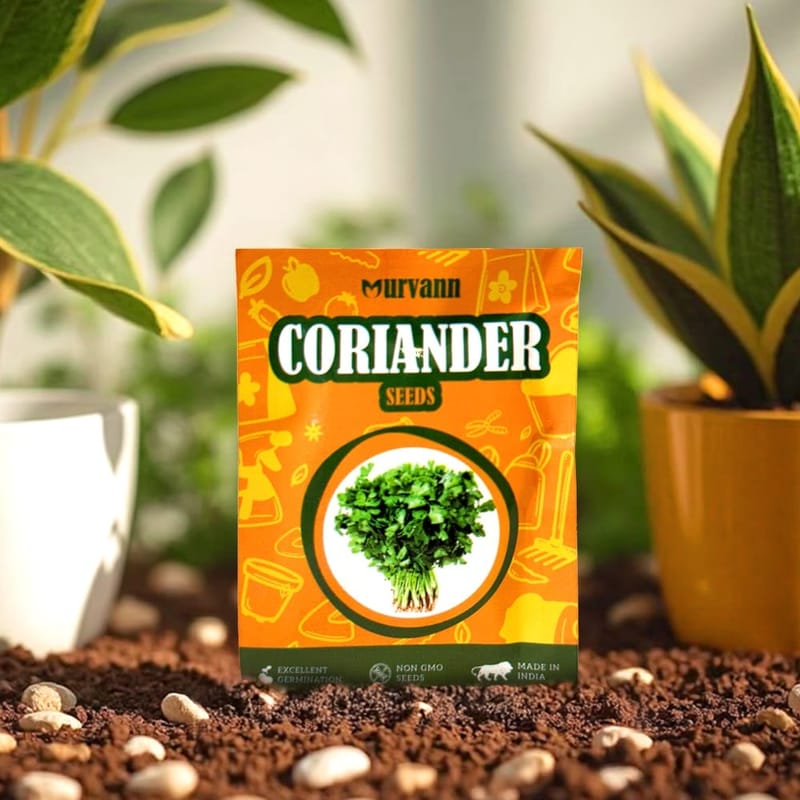
17. Coriander / Dhania

Coriander leaves grow fresh and lush during winter. It is used daily in Indian homes for garnishing and chutney.
Why grow Dhania?
- Fast-growing herb
- Good aroma
- Can be grown in any container
How to Grow: Sow coriander seeds lightly crushed in moist soil. Harvest leaves regularly and keep the soil lightly watered for continuous growth.
Harvest Tip: Pluck leaves regularly. Seeds can be harvested when pods turn brown. Regular cutting encourages more leafy growth.
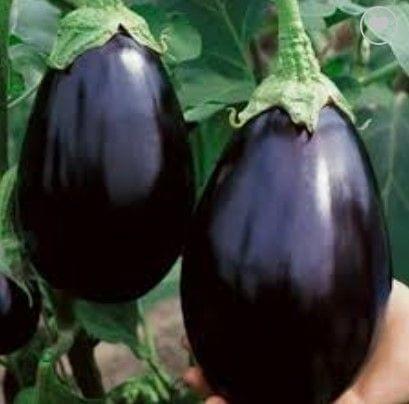
18. Brinjal
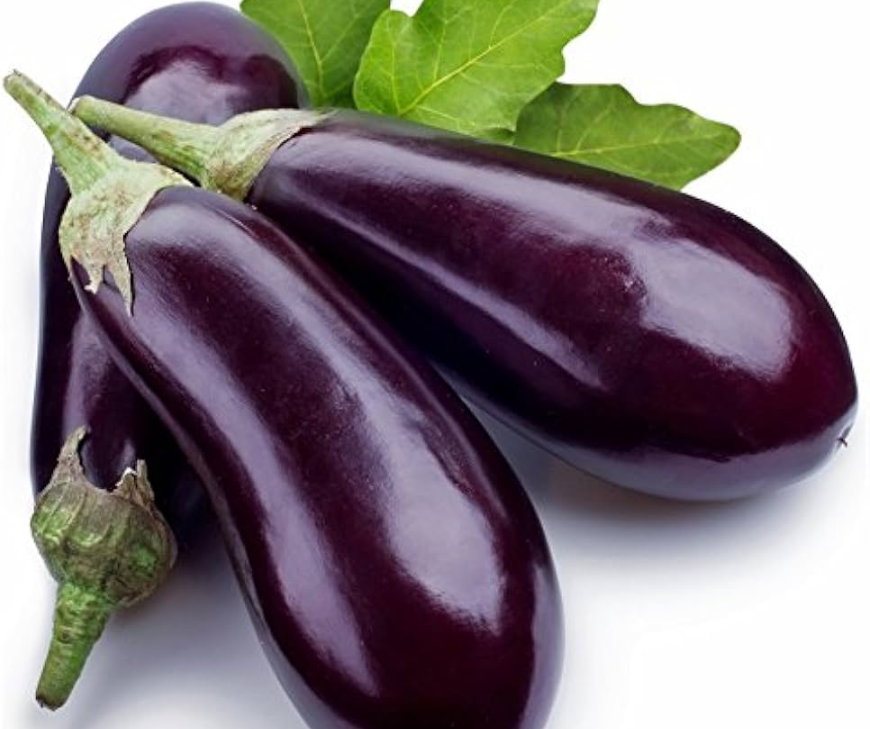
Brinjal is a popular vegetable in Indian cooking, known for its soft texture and ability to absorb flavours. It is used in curries, fries, bharta and gravies.
Why grow Brinjal?
- Ready to harvest in 60 to 80 days
- High-yield plant with continuous harvest
- Good source of fibre and antioxidants
How to Grow: Sow seeds in well-drained, fertile soil with full sunlight. Water regularly and protect plants from pests.
Harvest Tip: Pick brinjals when they are firm, glossy and medium-sized. Overgrown fruits can turn bitter.
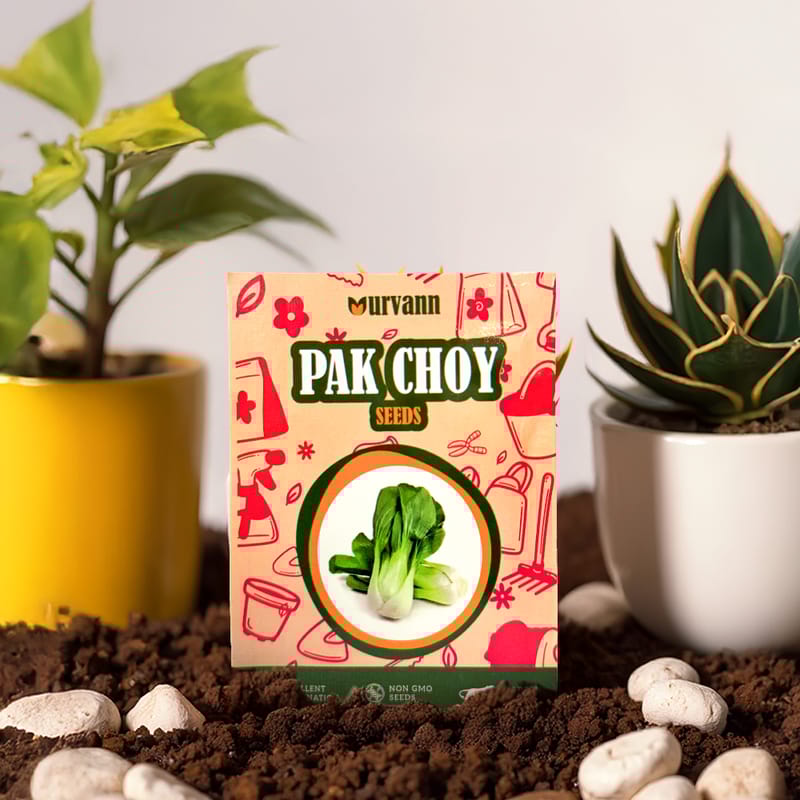
19. Pak Choy
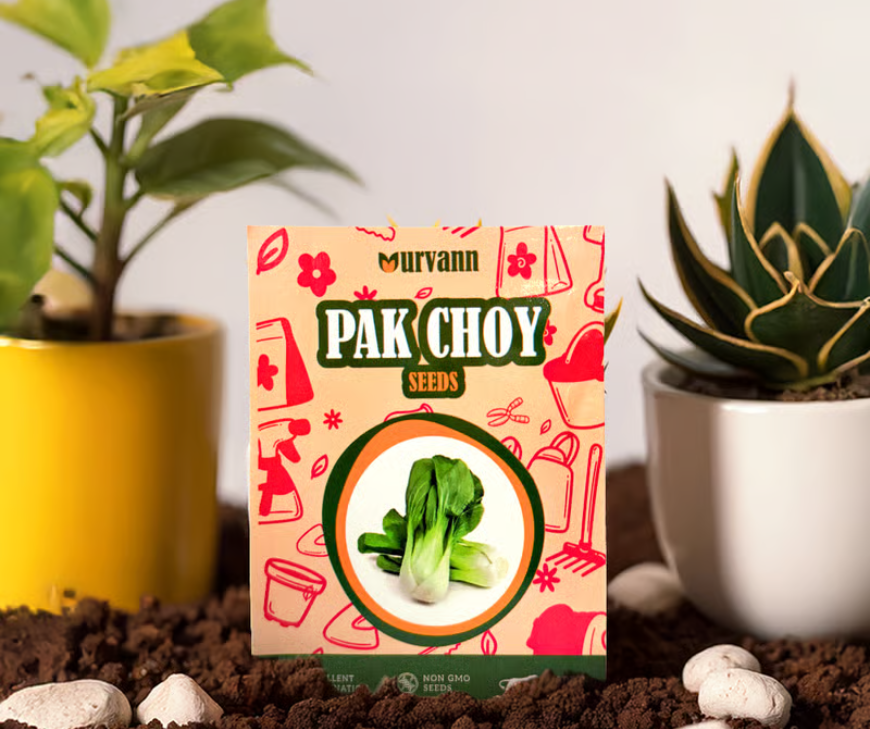
Pak choy grows well in cold climates and is used in soups, stir-fry and steamed dishes. It is becoming more popular in Indian kitchens.
Why grow Pak Choy?
- Crisp and tender leaves
- Rich in vitamin K
- Grows well in containers
How to Grow: Plant bok choy in partial sun with enough spacing. Water regularly and harvest when leaves are tender, and heads are fully grown.
Harvest Tip: Harvest outer leaves or the entire head when full-sized and tender. Do not wait too long, or the leaves become tough.
20. Sweet Potato / Shakarkandi

Sweet potatoes are planted in the cooler season and harvested when the days warm up. It is widely eaten, roasted or boiled in Indian households.
Why grow Shakarkandi?
- High in fibre
- Good for roasting and chaat
- Needs very little care
How to Grow: Grow sweet potato from slips in fertile soil. Give a long space for vines to spread. Harvest roots once the leaves start yellowing.
Harvest Tip: Harvest roots when vines start yellowing. Carefully dig around the roots to avoid cutting or breaking them.
Final Thoughts
Growing your own winter vegetables in India is, honestly, much easier than most people think. Once you start, you realise how good it feels to pick fresh winter fruits and vegetables straight from your own home. You get clean produce with zero chemical residue, the flavour is fuller, the cost is lower, and the whole process becomes a relaxing hobby that naturally builds a healthier lifestyle for your family.
If you want an easy start with genuine seeds, healthy saplings and budget-friendly gardening supplies, Urvann makes it very simple. We deliver live plants and garden products right to your home, so you can begin your winter garden without hunting around the market. Order today!
Happy gardening and happy winters!
Frequently Asked Questions for Winter Vegetables
1. Which vegetables grow best in winter in India?
Palak, methi, bathua, gajar, gobhi, matar, broccoli, radish, cauliflower, and tamatar are the top winter vegetables in India. They grow well in cool weather and give a healthy harvest.
2. Which vegetable is best to grow in winter?
Spinach (palak) and mustard greens (sarson) are very easy to grow and give continuous harvest, making them best for winter gardens.
3. What is the fastest-growing winter vegetable?
Radish (mooli) grows very fast. You can harvest it in just 30–45 days from sowing.
4. Which plants grow fast in winter?
Spinach, methi, radish, lettuce, and spring onion grow fast in winter and are perfect for small gardens or pots.
5. What is the best time to plant winter vegetables?
The best time depends on your region in India. In North India, winter is colder and shorter, so sow seeds from September to November. In South India, winters are milder and longer, so you can plant from October to February.
6. What is the most cold-tolerant vegetable?
Carrot (gajar), beetroot (chukandar), cabbage (patta gobhi), and broccoli can tolerate cold and frost better than most vegetables.
7. What are the best online stores to buy winter vegetable seeds in India?
Platforms like Urvann offer high-quality seeds and live plants for winter vegetables, with next-day delivery to your home.
8. How to start a winter vegetable garden at home step-by-step?
- Choose a sunny spot or balcony.
- Prepare loose, fertile soil with compost.
- Sow seeds or plant saplings at proper spacing.
- Water regularly and keep the soil slightly moist.
- Harvest vegetables at the right time for the best taste.
9. Where can I find winter vegetable seed kits with delivery in India?
Urvann provides ready-to-use winter vegetable seed kits and saplings, delivered directly to your home. You get everything you need for planting easily.
10. What winter vegetables can be grown on urban balconies?
Spinach, methi, coriander, lettuce, spring onion, radish, and small varieties of tomato, capsicum, and beetroot can grow well in pots and balcony gardens.