


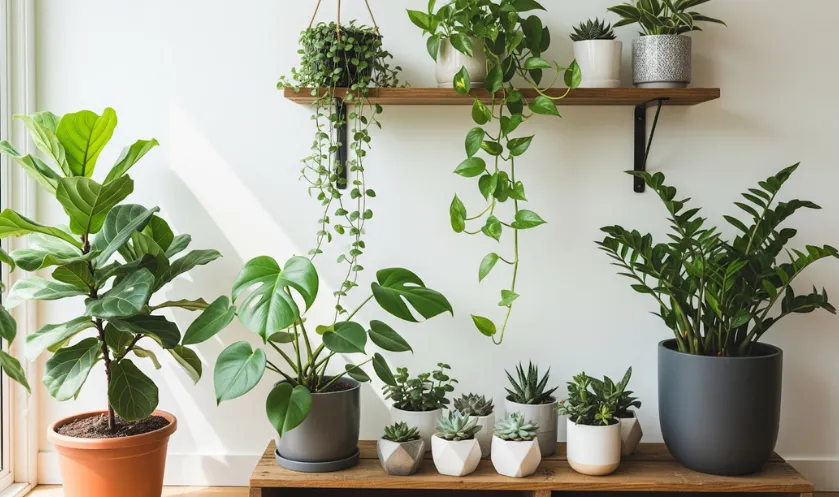
Delhi’s air doesn’t just stay outside your home — it follows you in.
On high‑AQI days, you can shut the windows and switch on the AC, yet the air indoors still feels heavy. Smog seeps in, and everyday things like furniture, paints, and cleaning products quietly release pollutants inside your home.
By the end of this blog, you’ll clearly understand:
- Which indoor plants actually help improve oxygen levels inside Delhi homes, not just look decorative
- The best oxygen-producing plants for bedrooms versus living rooms, and why placement matters
- Which plants release oxygen at night and are safe for sleeping spaces
- How indoor plants help counter Delhi’s indoor pollution from ACs, furniture, paints, and cleaning products
- How many plants you realistically need per room to notice a difference in air quality
- Simple care tips to ensure your plants stay healthy and effective, even if you’re a beginner
Over time, your breathing, sleep, and overall energy are affected — often without you even realising it.
The simplest, most natural way to fight back? Indoor plants that improve oxygen levels and purify the air, every single day.
The right plants absorb carbon dioxide, filter certain toxins, add freshness, and some even release oxygen at night. If chosen well, even just a few low‑maintenance plants can make a noticeable difference.
This guide walks you through 10 of the best indoor plants for oxygen that suit Delhi homes perfectly — easy to grow, beginner‑friendly, and a simple step towards turning your space into a healthier, greener mini urban vann (वन).
Top 10 Oxygen‑Improving Indoor Plants for Delhi Homes
1. Snake Plant/साँप का पौधा (Sansevieria)
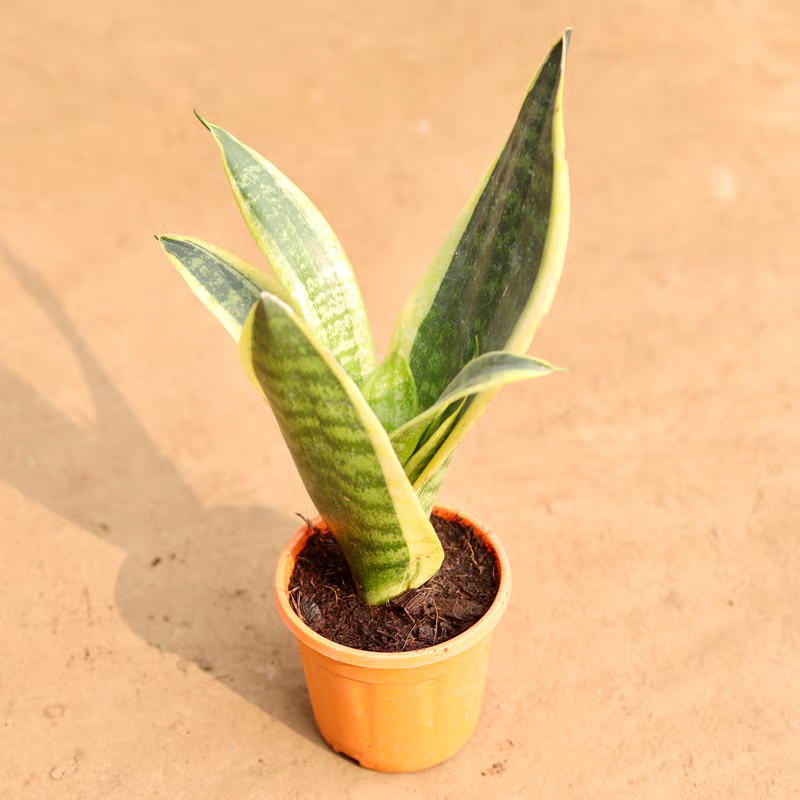
If there’s one plant every Delhi home should have, it’s the Snake Plant.
Famous for its upright, sword‑like leaves, this plant is an absolute superstar when it comes to indoor air quality.
Snake Plants are among the few indoor plants that release oxygen at night, making them ideal for bedrooms. They help remove toxins like formaldehyde and benzene that commonly enter homes through furniture, paints, and household products.
Why it’s perfect for Delhi homes:
- Improves oxygen levels even at night
- Helps counter indoor pollution and stale air
- Thrives in low light and poor air quality
Care level: Snake plants are extremely low-maintenance. Water only when the soil is completely dry. Tolerates low light, artificial light, and temperature changes effortlessly.
2. Areca Palm/सुपारी (Dypsis lutescens)
.png "Areca Palm")
The Areca Palm is often called a natural humidifier — and for good reason.
Its feathery fronds release moisture into the air while producing a steady supply of oxygen during the day.
In Delhi’s dry winters and AC‑heavy summers, Areca Palms help maintain comfortable indoor humidity while filtering out airborne toxins.
Why it’s perfect for Delhi homes:
- Excellent oxygen producer during the day
- Improves indoor humidity
- Ideal for living rooms and larger spaces
Care level: Easy. Areca Palm prefers bright, indirect light and regular watering when the topsoil feels dry.
3. Peace Lily/शांति लिली (Spathiphyllum)
.png "Peace Lily")
Elegant and effective, the Peace Lily is one of the best indoor plants for improving air quality. Its broad leaves absorb pollutants like formaldehyde, benzene, and trichloroethylene while increasing oxygen levels.
Peace Lilies also help reduce airborne dust by naturally increasing indoor humidity — a big plus for pollution‑prone homes.
Why it’s perfect for Delhi homes:
- Powerful air‑purifying properties
- Adds moisture to dry indoor air
- Works well in low‑light spaces
Care level: Beginner‑friendly. Water when leaves slightly droop. Thrives in indirect light.
4. Money Plant/मनी प्लांट (Pothos)
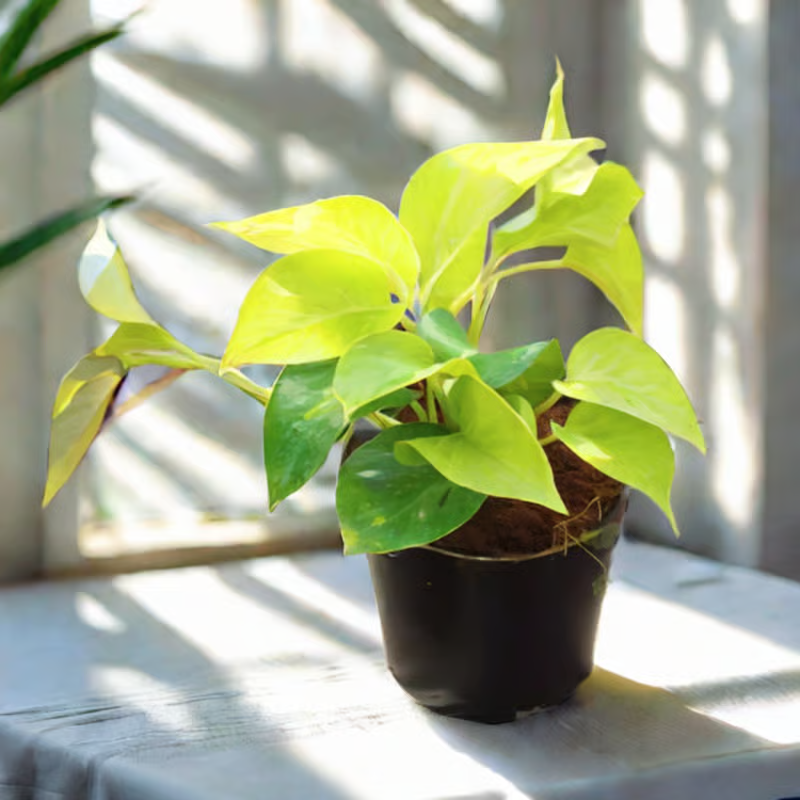
The Money Plant, also known as Pothos, is one of India’s most loved indoor plants — and not just for its symbolism. It’s highly effective at reducing indoor carbon dioxide levels and improving oxygen circulation.
Its trailing vines make it perfect for shelves, hanging planters, or tabletops.
Why it’s perfect for Delhi homes:
- Helps reduce indoor CO₂ levels
- Filters common indoor pollutants
- Thrives in varied lighting conditions
Care level: Very low. Grows well in soil or water. All Money Plant needs is occasional watering and indirect light.
5. Spider Plant/मकड़ी का पौधा (Chlorophytum comosum)
.png "Spider Plant")
Don’t let its delicate appearance fool you — the Spider Plant is a hardy and highly effective air purifier. It absorbs pollutants like carbon monoxide and formaldehyde while steadily releasing oxygen.
It’s also pet‑friendly and produces baby plantlets that can be easily propagated.
Why it’s perfect for Delhi homes:
- Excellent for improving indoor air quality
- Safe for homes with pets
- Great for bedrooms and workspaces
Care level: Very easy. Spider plant grows well in indirect light with moderate watering.
6. Aloe Vera/घृतकुमारी (Ghritkumari) और ग्वारपाठा (Gwarpatha)
.png "Aloe Vera")
Known for its healing gel, Aloe Vera is also a powerful oxygen‑producing indoor plant. Like the Snake Plant, Aloe Vera releases oxygen at night, making it ideal for bedrooms.
It also absorbs pollutants commonly released by cleaning agents and paints.
Why it’s perfect for Delhi homes:
- Releases oxygen at night
- Doubles as a medicinal plant
- Thrives indoors with minimal care
Care level: Extremely low. Aloe Vera loves sunlight and requires infrequent watering.
7. English Ivy/इंग्लिश आइवी (Hedera helix)
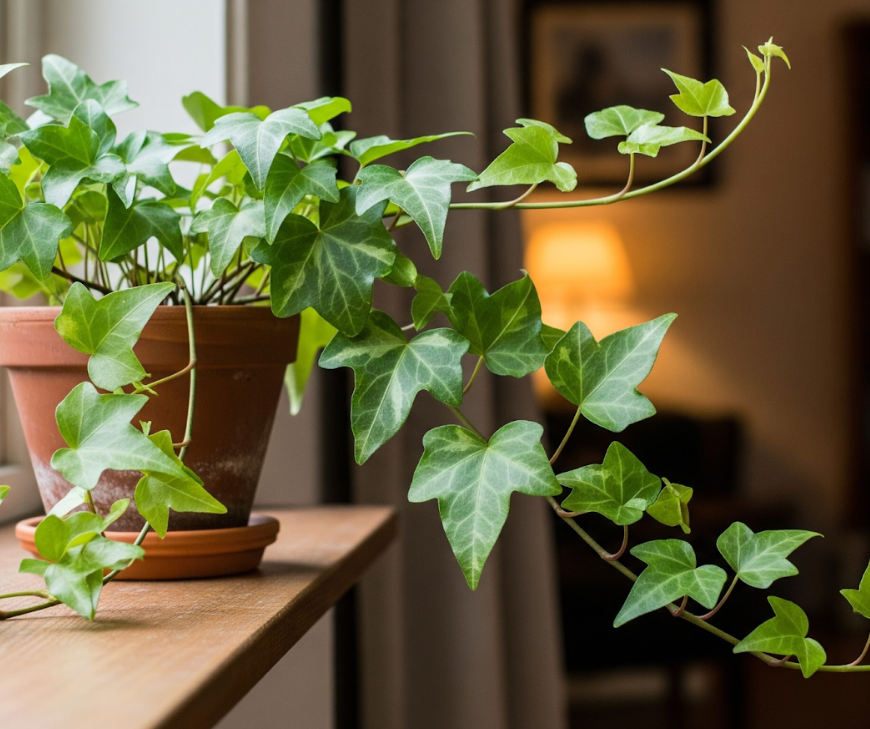
English Ivy is known for its ability to reduce airborne mold and absorb formaldehyde. Its trailing vines make it both decorative and functional for improving indoor air quality.
It works especially well in compact apartments where ventilation may be limited.
Why it’s perfect for Delhi homes:
- Helps fight mold and indoor pollutants
- Improves oxygen circulation
- Ideal for shelves and hanging planters
Care level: Easy English Ivy prefers indirect light and evenly moist soil.
8. Gerbera Daisy/जरबेरा
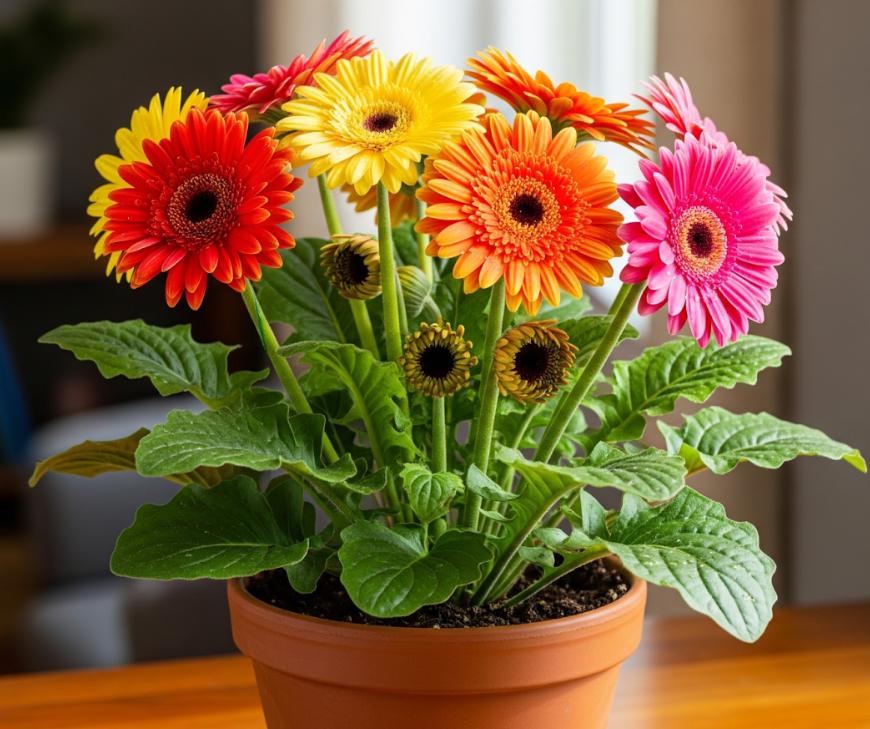
Bright, cheerful, and functional — Gerbera Daisies add a splash of colour while improving oxygen levels. They are one of the few flowering plants known to release oxygen at night.
They also help remove benzene and other toxins from indoor air.
Why it’s perfect for Delhi homes:
- Produces oxygen even at night
- Improves air quality while enhancing décor
- Ideal for sunny windows
Care level: Moderate. Gerbera Daisy needs bright light and well‑drained soil.
9. Tulsi/तुलसी (Holy Basil)
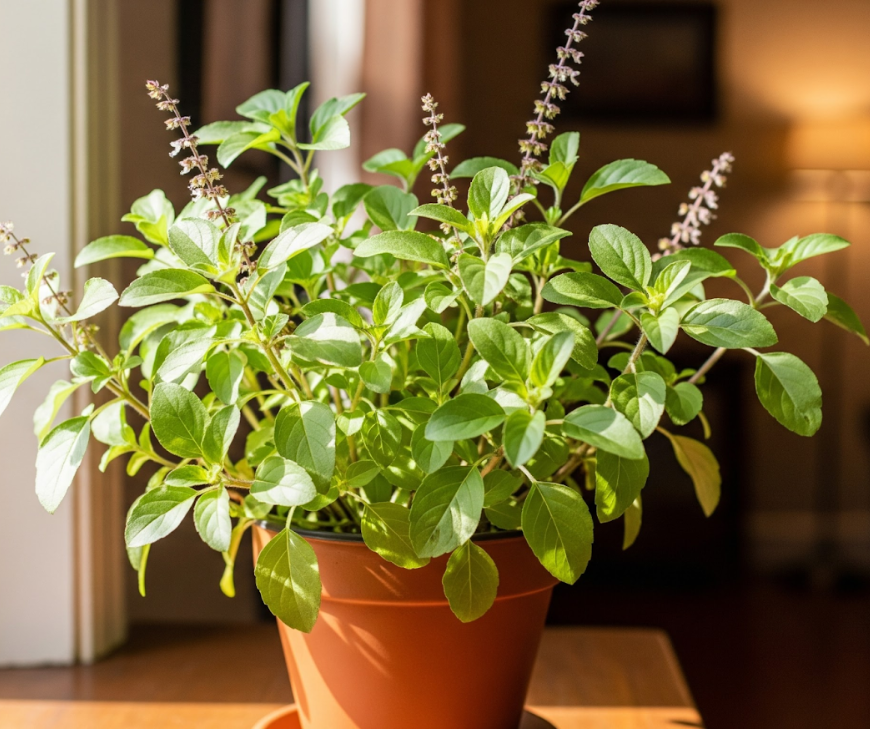
A staple in Indian households, Tulsi is valued for its medicinal, spiritual, and air‑purifying qualities. It helps absorb carbon dioxide and improves oxygen levels during the day.
Its natural aroma also helps keep indoor air feeling fresh.
Why it’s perfect for Delhi homes:
- Improves indoor air quality naturally
- Easy to grow in pots
- Culturally and medicinally significant
Care level: Easy. Tulsi requires sunlight and regular watering.
10. Syngonium/एरोहेड प्लांट (Arrowhead Plant)
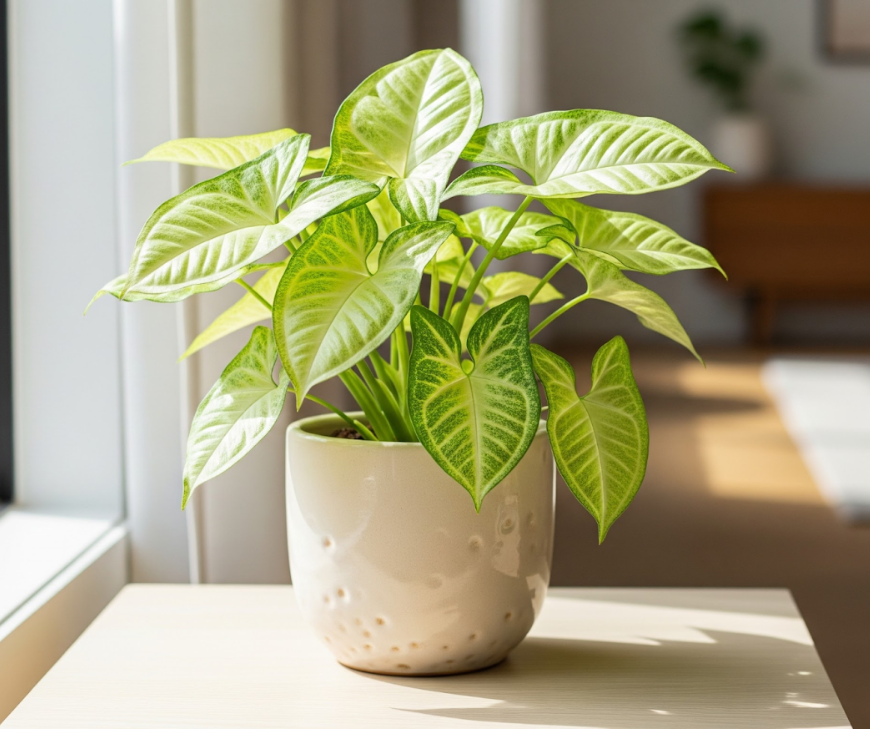
The Syngonium ( शुद्ध हवा का पौधा ) is a compact, fast‑growing indoor plant known for reducing indoor CO₂ levels and filtering pollutants. Its lush foliage makes it a great choice for desks and shelves.
Why it’s perfect for Delhi homes:
- Helps combat indoor pollution
- Thrives in low to medium light
- Adds visual freshness to small spaces
Care level: Very easy. Water the Syngonium when the topsoil dries out.
Best Indoor Plants for Oxygen: Bedroom vs Living Room
- Best for Bedrooms: Snake Plant, Aloe Vera, Gerbera Daisy
- Best for Living Rooms: Areca Palm, Peace Lily, Money Plant, Syngonium
Choosing plants based on room function helps maximise oxygen benefits throughout the day and night.
How Many Indoor Plants Are Needed to Improve Oxygen Levels?
For noticeable improvement in indoor air quality:
- Place 1–2 medium plants in bedrooms
- Use 2–3 medium plants in living rooms
- Group plants together to enhance humidity and air purification
Even a few well‑placed plants can significantly improve oxygen circulation indoors.
Tips to Maximise Oxygen & Air Purification in Delhi Homes
- Group different plant types together for better results
- Keep night‑oxygen plants in bedrooms
- Wipe leaves regularly to remove dust
- Avoid overwatering — stressed plants purify less effectively
- Rotate plants occasionally for even light exposure
Final Thoughts: A Home That Breathes With You
Living in Delhi means we can’t always control the air outside — but we can create a calmer, cleaner pocket of air inside our homes.
And that’s what these plants really do. They don’t just sit pretty. They quietly support your space: fresher air, better oxygen balance, softer dryness from AC/heaters, and a little everyday calm that’s hard to explain until you feel it.
If you’re new to plant parenthood, start small. One sturdy Snake Plant in the bedroom. A Peace Lily or Money Plant in the living room. Then add more as your confidence grows. Before you know it, your home starts feeling less like a concrete box and more like a small, living urban forest.
Because building a healthier home isn’t a one-time switch — it’s a habit. And in true Urvann spirit, it grows leaf by leaf, day by day.
Frequently Asked Questions About Oxygen-Producing Indoor Plants
1. Which indoor plant gives oxygen at night?
Some indoor plants continue releasing oxygen even at night, making them ideal for bedrooms. Snake Plant and Aloe Vera are the most popular choices, as they follow a special photosynthesis process that allows them to release oxygen after sunset.
2. Which plant gives oxygen 24 hours?
While no plant produces oxygen in large quantities 24/7, plants like Snake Plant and Aloe Vera are often referred to as “24-hour oxygen plants” because they release oxygen at night and continue supporting air purification during the day.
3. What are the best indoor plants for oxygen in India?
Some of the best indoor plants for oxygen in Indian homes include Snake Plant, Areca Palm, Peace Lily, Money Plant, Spider Plant, Aloe Vera, and Tulsi. These plants are well-suited to Indian climates, easy to maintain, and effective at improving indoor air quality.
4. Which indoor plant produces the most oxygen?
Plants with larger leaf surfaces generally contribute more to oxygen production. Areca Palm, Money Plant, and Peace Lily are considered among the highest oxygen-producing indoor plants when grown in healthy conditions.
5. How many indoor plants are needed to improve air quality?
For noticeable improvement, aim for 1–2 medium-sized plants in a bedroom and 2–3 medium-sized plants in a living room. Grouping plants together can further enhance oxygen levels and humidity.
6. Which indoor plants are best for bedrooms?
For bedrooms, choose plants that improve oxygen levels without releasing strong fragrances at night. Snake Plant, Aloe Vera, and Gerbera Daisy are excellent bedroom-friendly oxygen plants.
7. Are indoor plants really effective against pollution?
Indoor plants help reduce certain pollutants and improve oxygen balance, especially in closed spaces. While they can’t replace outdoor air quality measures, they are a natural, supportive way to improve indoor air quality, particularly in polluted cities like Delhi.
8. What are the best low-maintenance oxygen plants for the home?
If you’re a beginner or want fuss-free greenery, go for Snake Plant, Money Plant, Spider Plant, Syngonium, and Aloe Vera. These plants tolerate low light, irregular watering, and typical indoor conditions.
9. Can indoor plants replace air purifiers?
Indoor plants and air purifiers serve different roles. Plants provide continuous, natural air support and improve indoor ambience, while purifiers offer mechanical filtration. Many homes use both together for the best results.
10. Are oxygen-producing plants safe for apartments?
Yes. The plants listed in this guide are well-suited for apartments and compact homes. With proper placement and basic care, they are safe, space-efficient, and beneficial for everyday indoor living.