


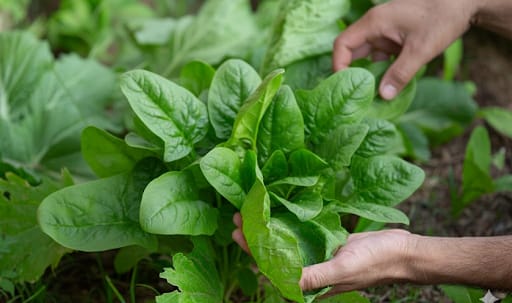
Imagine plucking fresh, vibrant, iron-rich palak right from your own kitchen garden for your next bowl of Palak Paneer or a hearty Palak Dal. You absolutely can do it, whether you have a large terrace, a sunny balcony, or just a small windowsill in your apartment.
This is your complete blueprint to cultivating healthy, pesticide-free palak that keeps coming back, season after season. Let’s get growing!
Step 1: Choose the Right Space for Growing Palak
The first thing you must be wondering is, “Where can I grow spinach at home: balcony, terrace, rooftop, or windowsill?
Good news! You can grow spinach in India in most home spaces as long as it gets proper light, moderate temperatures, and good airflow. If you don’t have outdoor space, you can still grow palak inside your home. Here’s exactly how to pick the right spot.
Sunlight
Spinach needs 4–6 hours of direct sunlight every day for healthy leaves. Provide morning sun plus afternoon shade, especially during hotter months, to prevent the plant from bolting. Move pots slightly inward during harsh heat and avoid dark corners. This applies whether you are growing in a terrace, balcony, or indoors.
Balcony or Terrace
Before placing pots, consider weight. Most Indian apartments can safely hold 200–250 kg per square metre. Use lightweight containers like plastic or fabric grow bags, skip heavy ceramic pots, place heavier containers near walls, and avoid cantilevered edges.
Indoor Setup
You can also grow spinach at home in pots near a sunny windowsill. For low-light situations, use full-spectrum LED grow lights for 12–16 hours a day to mimic ideal conditions.
Step 2: Which Palak Variety Should You Pick?
Picking the correct variety for the season is the key to a steady, healthy harvest.
For Cool Months (Sept–March): Grow True Palak
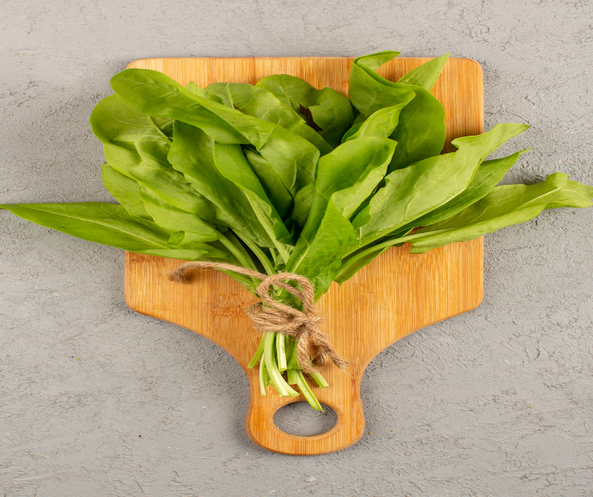
It thrives in low temperatures and bolts once it gets hotter than 25°C.
Recommended options:
- Punjab Green for quick growth and low oxalates
- Pusa Harit / Pusa Jyoti for reliable performance
- Matador for slow bolting and longer harvests
For Hot Months: Grow Malabar Spinach (Basella spp.)
Known as Basella, Poi Saag (Eastern India), Mayalu (Nepal/Himalayan regions), or Indian Spinach.
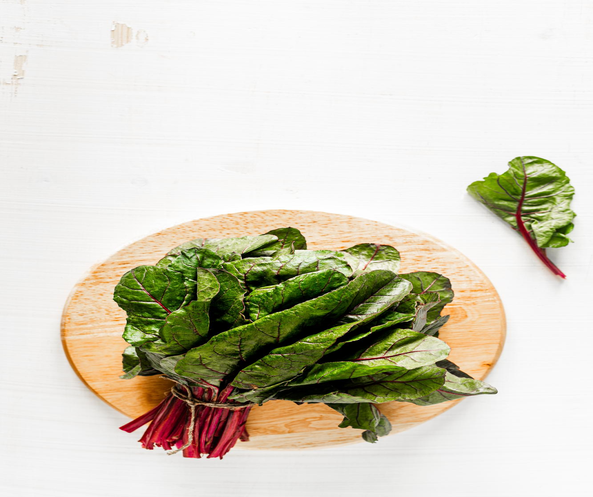
- Why it's a must-have: Unlike true palak, it just keeps growing vigorously through the summer.
- Varieties: You can choose Basella alba (green-stemmed) or Basella rubra (red-stemmed,which is also very ornamental!).
Step 3: Choose Container & Pot Size
Now, you need to know: What pot size and type is best for growing palak at home? Palak looks like a small plant, but it grows a long taproot inside the soil. For the plant to stay healthy and not bolt early, it needs enough depth to spread its roots.
For normal full-sized Palak leaves:
- Use a pot or grow bag that is at least 12 inches (30 cm) deep and wide.
- This is roughly a 10–15 litre container.
- A 12 x 12-inch fabric grow bag is perfect for balconies and terraces because it is light, cheap, and plant-friendly.
For baby leaves (like salad greens):
- You can use shallow trays about 6–8 cm deep.
- These should be wide so you can sow many seeds close together for quick harvests.
Drainage is extremely important:
- Whatever pot you choose, make sure it has good drainage holes.
- At least one big hole per square foot is ideal.
- Palak hates waterlogging, so too much standing water will kill the plant quickly.
Step 4: Prepare the Soil
If you’re thinking about what type of soil mix to use, Palak grows best in soft, airy, nutrient-rich soil. The mix should be light, well-draining, and safe for balconies and terraces.
For pots (10–15L):
- 60% garden soil + 30% cocopeat + 10% compost, or
- 50% garden soil + 50% well-aged compost/manure
For seed starting in trays:
- 50% cocopeat + 30% compost/vermicompost + 20% sand/perlite
For home garden beds:
- Loosen soil 6–8 inches deep
- Add 2–3 kg well-aged compost per square metre
- Mix a handful of Neem Cake for pest protection
- Ensure good drainage
Tip for Indian gardeners: Maintain slightly acidic to neutral soil, pH 6.5–7.0, for optimal nutrient absorption and to prevent yellow leaves.
Step 5: Gather Supplies and Sow Your Palak Seeds
What You Need
- Good-quality palak seeds (slow-bolting if possible)
- 10–15L pot or grow bag
- Potting mix (soil + compost + cocopeat)
- Small trowel
- Watering can/spray bottle
- Neem oil + basic organic fertiliser
- Scissors for harvesting
Seed amount: 1–2 grams per pot.
How to Sow the Seeds
- Fill the pot with your soil mix and level the surface.
- Soak the seeds for 4–6 hours to speed up germination.
- Sow shallowly (0.5–1 cm deep).-5 cm apart for full plants
-Dense sowing for baby leaves - Cover lightly and water with a gentle spray.
- Keep the soil moist and in soft light. Seedlings appear in 5–7 days.
Tip: Using quality spinach seeds ensures a strong start and better spinach production.
Step 6: Watering, Light & Fertilisation
Once your palak seedlings are up, the next step is giving them what they need to grow fast and healthy. This is the most important part of how to grow spinach at home in pots in India.
So, how often should you water and feed your palak plants?
Watering: Keep the Soil Moist, Not Muddy
- Palak likes even moisture. It should never fully dry out, but it also should not stay soggy.
- Pots lose water quickly, so check the soil every day.
- Instead of pouring a lot of water once a week, give light watering daily or every other day.
- Always water at the base of the plant, not on the leaves.
- Morning watering is best to prevent fungal problems.
Light: Give Sun, Protect from Harsh Heat
- Palak needs 4–6 hours of sunlight daily to grow well.
- But as temperatures rise, especially from 12 PM to 4 PM, the strong sun can cause the plant to bolt (flower early).
- Simply give afternoon shade using a shade cloth or place the pot behind taller plants.
Fertilisation: Give Regular Nitrogen-Rich Food
Palak is a leaf crop, so it needs Nitrogen to stay green and healthy.
Liquid Feed (every 2–3 weeks):
- Use compost tea, vermicompost liquid, or liquid seaweed.
- These keep the leaves big, soft and bright green.
Solid Feed (every 4–6 weeks):
- Add a thin layer of fresh compost, cow dung manure or neem cake around the plant.
- Mix it lightly into the topsoil and water immediately so nutrients reach the roots.
Step 7: Pest & Disease Management
Even a healthy palak plant can get a few uninvited guests. The trick is to catch problems early and treat them gently.
How to Identify the Common Problems
- Aphids: tiny insects sitting in clusters, leaving a sticky layer
- Spider mites: very small, often with fine webbing
- Leaf miners: white squiggly lines inside the leaf
- Flea beetles: tiny jumping beetles that make small holes
Easy Organic Treatments
- Remove damaged leaves: If only a few leaves are affected, just pluck them off and throw them away.
- Soap spray (quick fix): For sudden pest attacks, mix 1 tbsp mild liquid soap in 1 litre of water and spray the leaves, especially the undersides.
- Neem oil (best all-rounder): Spray neem oil every 7–14 days. It helps control insects and prevents fungal issues.
Prevent Fungal Issues
- Downy mildew: fuzzy patches under the leaves, usually in humid weather
- Keep enough space between plants for airflow.
- Water the soil, not the leaves.
- Keep leaves dry, especially at night.
- If needed, you can also use a mild baking soda spray (first test on one leaf).
Step 8: Harvesting: When And How Should You Harvest Palak?
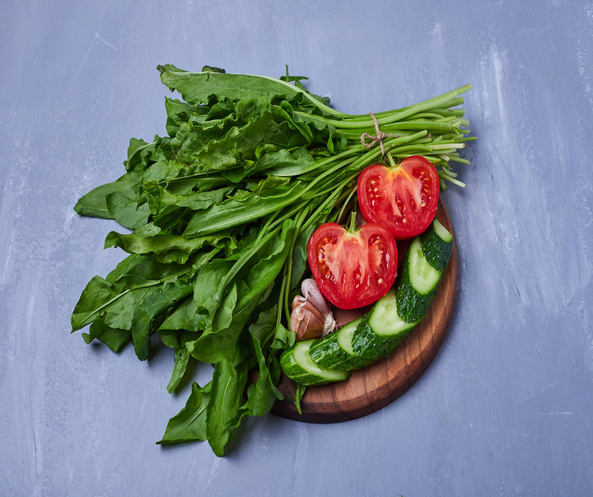
The goal is to harvest palak not once, but repeatedly, just like our badi dadi used to do!
The Cut-and-Come-Again Method
This is the best method for pot gardening because the plant keeps growing after every cut.
When to Start:
- Fast varieties like Punjab Green can be cut in about 30 days.
- Most other types are ready in 40–50 days.
How to Cut:
- Use clean scissors.
- Only cut the outer big leaves.
- Always leave the tiny centre leaves untouched. That’s the growing point — if you cut it, the plant stops.
How Much You Get:
A single healthy plant can give 4–8 harvests easily from a single sowing.
After Harvest:
Wash and use immediately. If storing, keep in a perforated bag in the fridge.
Troubleshooting Problems: Why Is My Palak Bolting, Yellowing, Or Growing Slowly?
Everyone faces these common palak problems. Here are the quick fixes:
| Problem | What You’ll See | Quick Fix |
|---|---|---|
| Bolting (Flowering) | A tall stem shoots up, leaves become bitter. Usually happens due to heat, long sunlight exposure, or irregular watering. | Provide afternoon shade, keep soil evenly moist, and harvest outer leaves frequently. |
| Yellow Leaves | Leaves turn pale or yellow. | Apply a nitrogen-rich liquid feed (like compost tea), prevent overwatering, and maintain soil pH between 6.5–7. |
| Slow Growth | Plants stay small and produce fewer new leaves. | Ensure 4–6 hours of sunlight and feed with a mild liquid fertiliser every 2–3 weeks. |
Frequently Asked Questions For Growing Palak
1. How much sunlight does Palak need?
Palak needs a minimum of 4 to 6 hours of direct sunlight daily. In very hot weather, it benefits greatly from partial shade, especially during the afternoon.
2. What is the ideal Palak soil pH level?
The soil should be slightly acidic to neutral, ideally in the range of pH 6.5 to 7.0.
3. Can I grow spinach indoors?
Yes. You need a sunny windowsill or a dedicated indoor setup using LED grow lights for 14 to 16 hours a day. Keep the environment cool.
4. When is the best season to grow Palak in India?
Palak is a cool-season crop, so the best time is during the cooler months, generally September through March. Use Malabar spinach (Basella spp.) for year-round continuity in warm zones.
5. How many days does Palak take to germinate?
Typically, it takes 7 to 10 days. However, if you pre-soak (prime) the seeds for 4–6 hours, germination can be quickened to as little as 5 to 7 days.
6. What is the trick to growing spinach?
The main trick is consistent moisture and cool temperatures. Keep the soil moist (not soggy), provide shade in warm months, and feed regularly with a nitrogen-rich fertiliser.
7. What is the best companion plant for spinach?
Plants that don't compete for the same nutrients or root space work well. Good companions include lettuce, marigolds, and parsley.
8. What soil is best for spinach?
A loamy, well-draining soil that is rich in organic matter (compost or aged manure) is best. For containers, a mix high in cocopeat and compost (e.g., 50% soil, 50% compost) is recommended for fertility and weight management.