


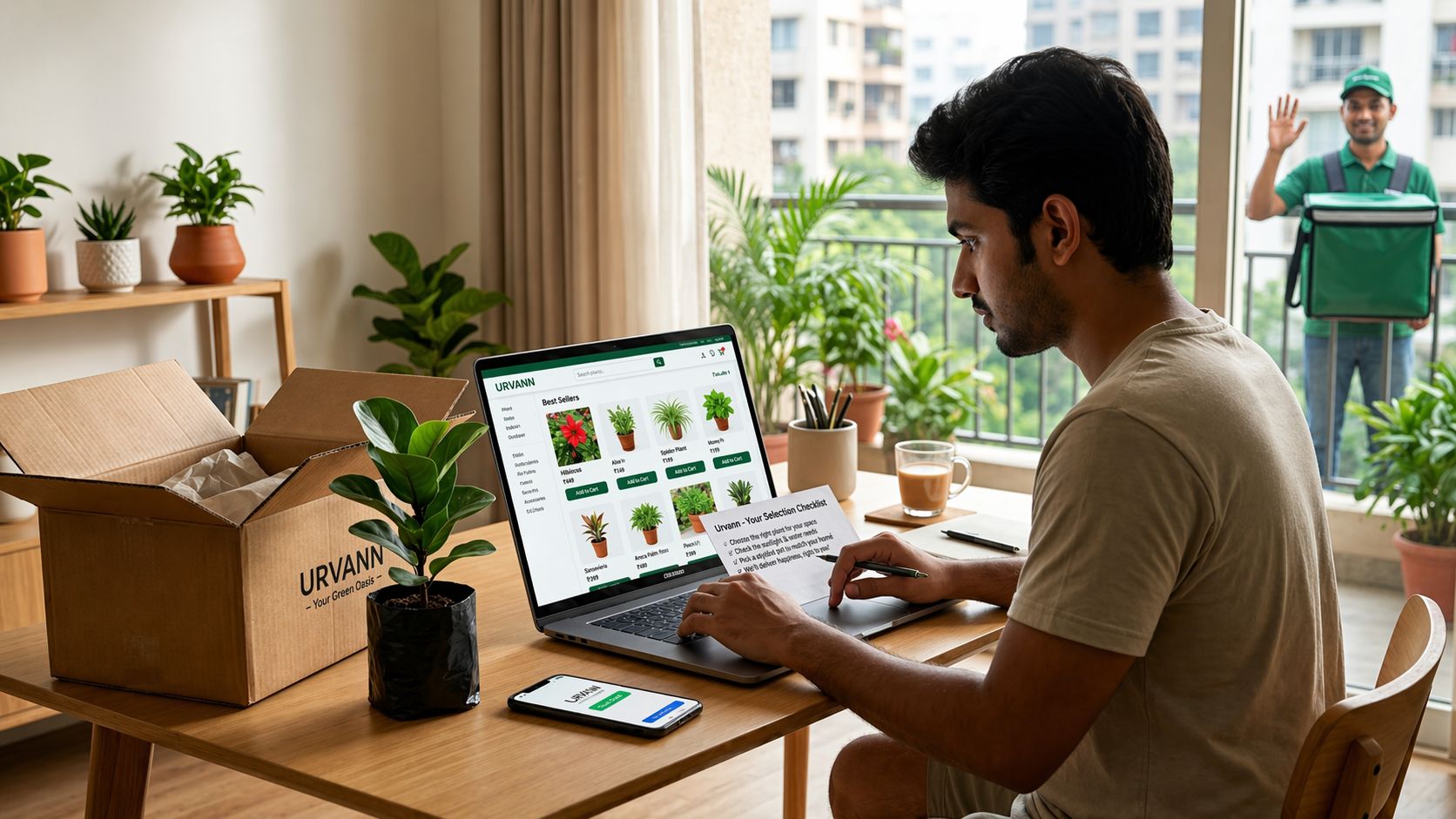
You found a beautiful plant on an online store.
Your Complete 7-Step Pre-Purchase Checklist
- Step 1: Check Your Light
- Does my spot get 4+ hours of direct sun?
- Have I matched the plant's light needs to my space?
- Step 2: Check Your Space
- Have I checked the plant's final adult height and spread?
- Does it fit the space I actually have?
- Step 3: Check Pot Size and Maturity
- Is the pot size listed in cm or litres?
- Do I understand the plant's current size and growth stage?
- Step 4: Check Real Photos
- Are there actual plant photos, not just studio shots?
- Am I NOT judging size from a stock image alone?
- Step 5: Check Soil and Pot Details
- Does the pot have drainage holes?
- Has the seller listed the soil mix and pot type?
- Step 6: Check Delivery and Policy
- Does the seller offer next-day or fast delivery?
- Are packaging details shown on the website?
- Is there a clear 48-hour replacement policy?
- Step 7: Plan Your After-Delivery Care
- Unbox the plant the same day it arrives.
- Place in indirect light for the first 3–5 days.
- Water once thoroughly, then wait before watering again.
- Do not repot for at least 7–10 days.
- Do not fertilise for 3–4 weeks.
The photo looked lush, the price felt right, and you clicked buy. Two weeks later, it sat limp on your windowsill, leaves yellowing, roots barely alive. If that story sounds familiar, you are not alone, and you are not bad at growing plants.
You just bought the wrong plant, the wrong way.
Choosing plants online is not hard. But it is different from walking into a nursery and picking what looks healthy in front of you. When you shop online, you are making decisions based on photos, descriptions, and seller promises without being able to touch a leaf or tilt the pot.
This guide gives you a clear, practical checklist so you know exactly what to check before placing your next plant order.
By the end, you will feel confident choosing plants that actually survive and thrive in your apartment.
Step 1: Assess Your Space Before You Open Any Website
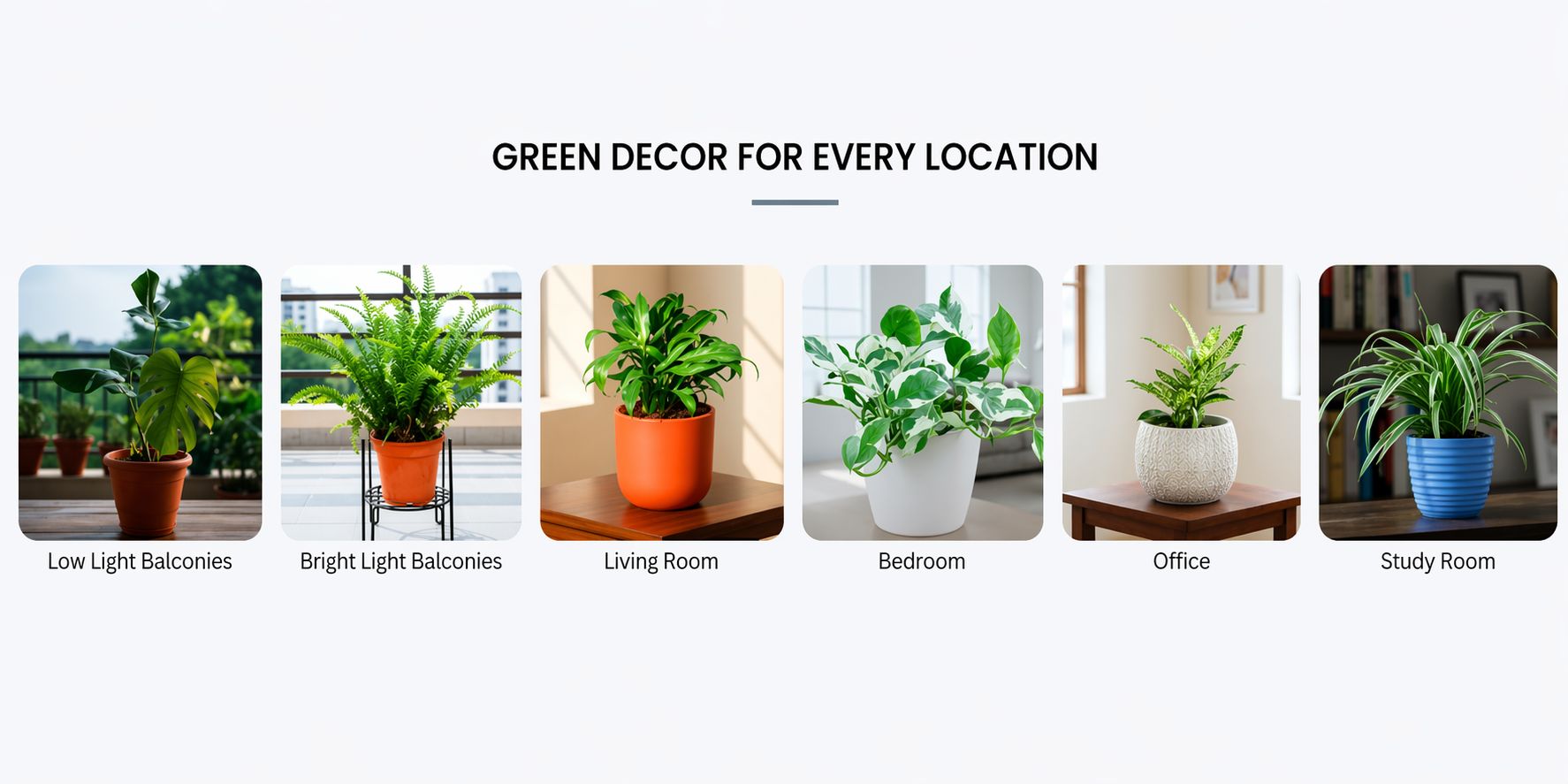
This is the most skipped step, and the most important one.
Most first-time buyers open a plant store, fall in love with something, buy it, and then figure out where to keep it. That is how plants end up in dark corners where they cannot survive.
Before browsing, answer these three questions:
1. How much light does your space get?
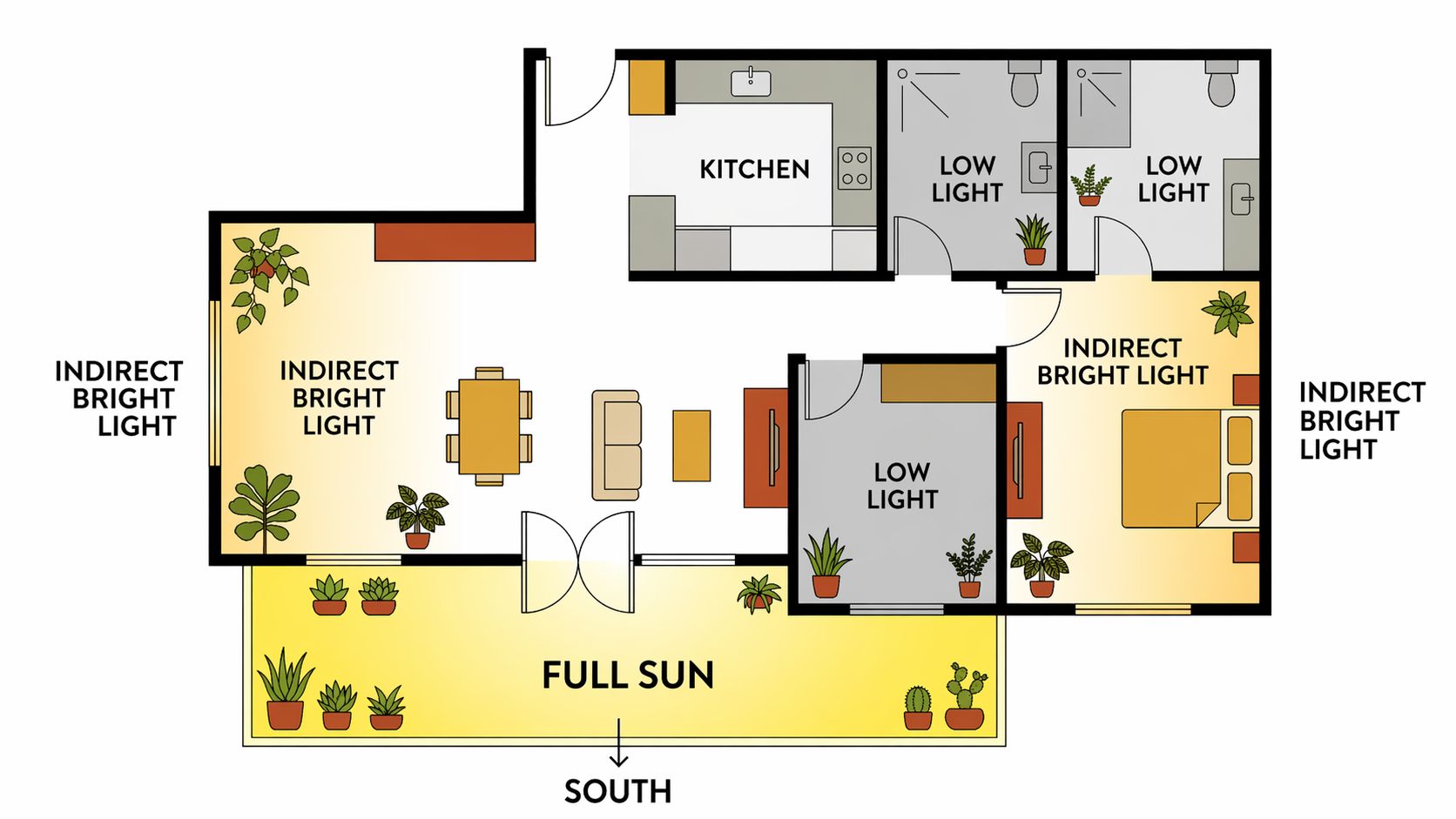
Walk to the spot where you want to keep the plant. Observe it for a day.
-
Bright direct sunlight for 4+ hours → Full sun or bright light plants
-
Good light but no direct sun → Medium or indirect light plants
-
Away from windows, mostly dim → Low light or shade-tolerant plants
Indian apartments can be tricky.
Balconies and south-facing windows usually get strong light. Interior rooms and north-facing spaces often get very little. A plant that thrives on your neighbour's terrace may not survive in your living room.
2. How much space do you actually have?
A Fiddle Leaf Fig can grow over 6 feet tall. An Areca Palm spreads wide. Check the plant's final height and width in the product description, not just its current pot size.
3. How consistent can your care be?
Be honest. If you travel often or forget to water, choose plants that can handle neglect. If you enjoy daily care routines, you have more options. Match the plant to the conditions first. Browse second.
Step 2: The 6-Point Listing Checklist
Once you are on a product page, here is what to look for before adding anything to your cart.
1. Pot Size and Plant Maturity
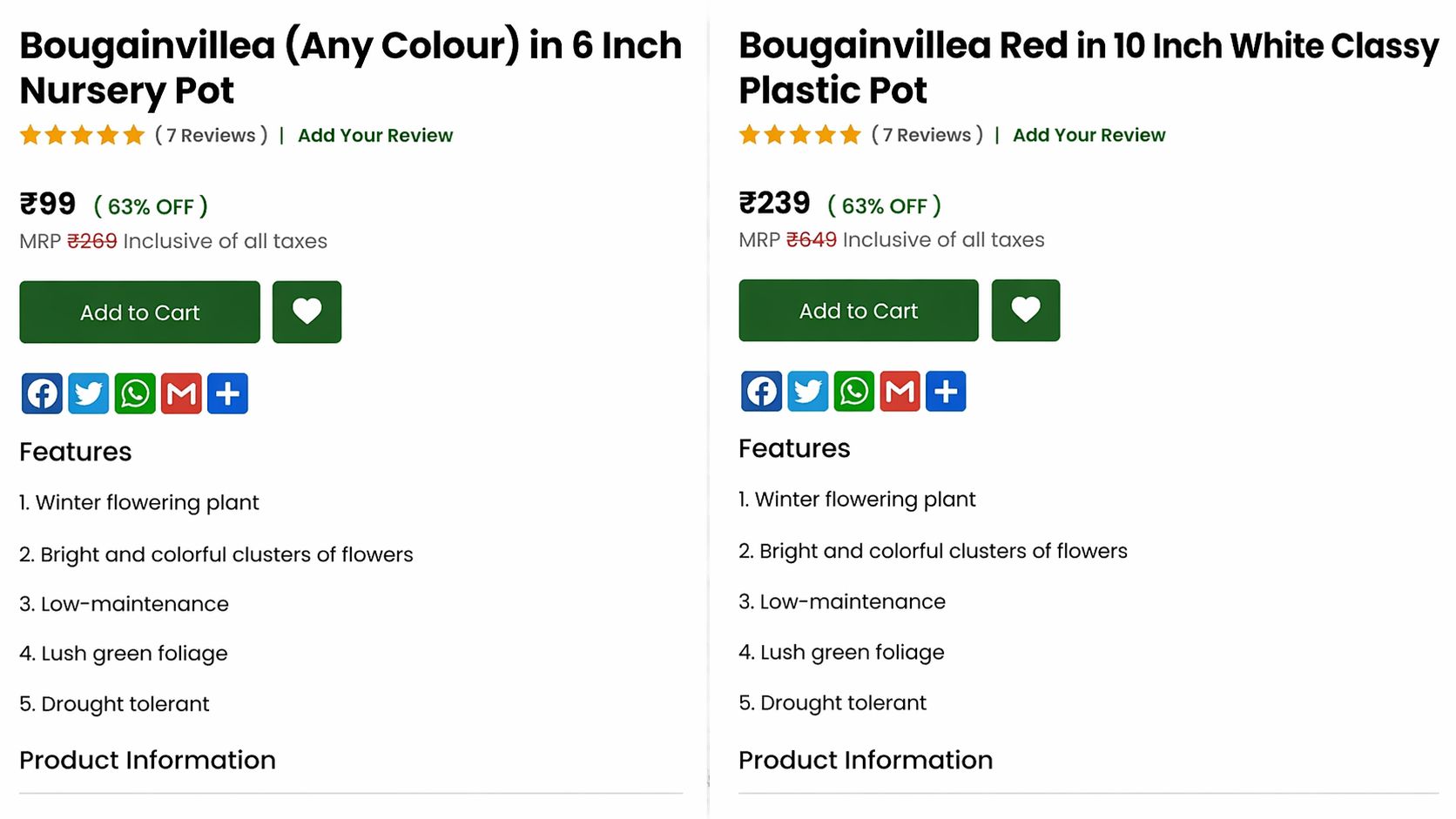
Online plant listings use terms that are easy to misread.
-
Plug plants are very young seedlings. They are cheap but require intensive care and take months to establish.
-
9 cm or small pots are starter plants, affordable but still developing.
-
1-litre pots or larger are more established and better for beginners.
A listing priced at ₹99 is almost always a plug or a very small starter. That is not necessarily bad, but know what you are getting. If you want immediate impact in your apartment, choose larger, more mature plants even if they cost more.
Always check: Height in centimetres or inches, pot diameter, and whether the plant is described as "established" or "young."
2. Real Photos vs. Stock Photos
Some online plant stores use professional photographs of mature, perfect specimens. What arrives at your door may be a fraction of that size.
Look for:
-
Photos labelled "actual plant" or "as shipped"
-
Customer review photos showing plants right after unboxing
-
Size reference in photos (a hand, a ruler, a pot next to a common object)
If the only images are polished studio shots with no customer reviews or real photos, that is a red flag.
Here is what a transparent listing actually looks like:
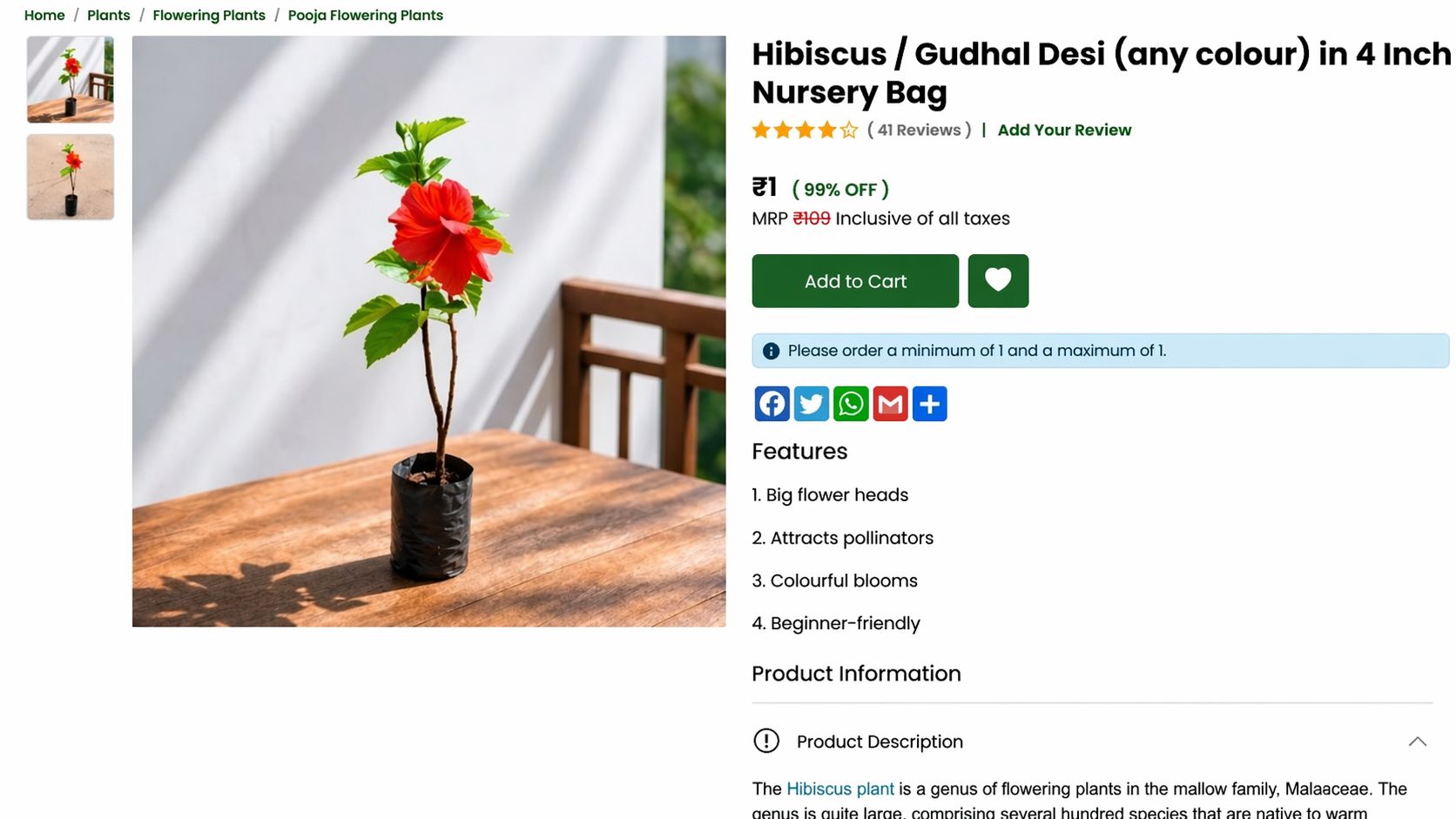
Notice what this listing does right: the photo shows the actual plant in a real setting, the title includes the exact pot size (4-inch nursery bag), and the features section tells you upfront that it is beginner-friendly. That is the level of transparency to look for before adding anything to your cart
3. Light and Climate Match
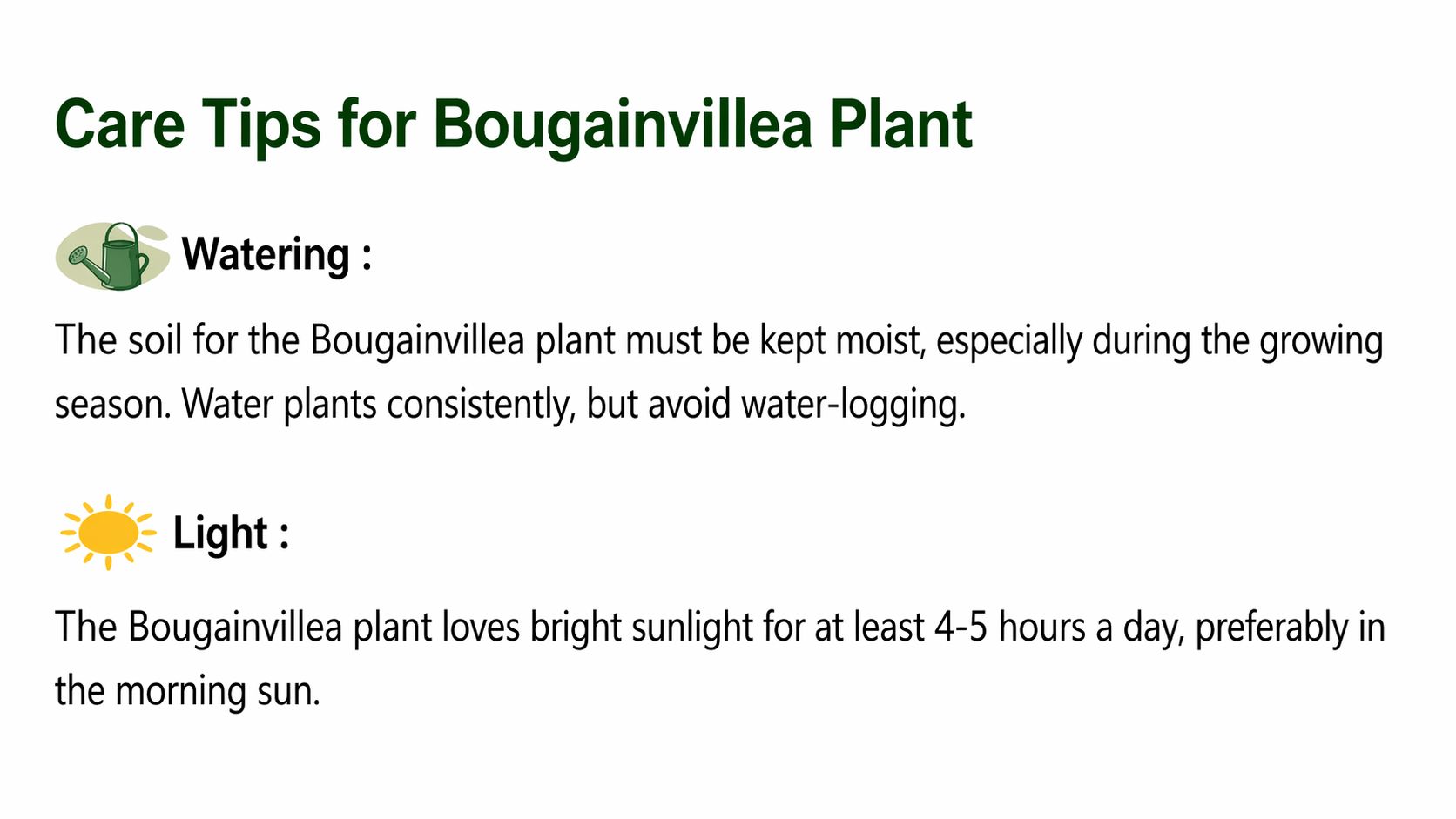
Check whether the plant's listed light requirements match your space assessment from Step 1.
A common mismatch in Indian apartments: buyers fall for flowering plants like Hibiscus or Bougainvillea but keep them indoors. Both need direct outdoor sunlight to bloom. Kept inside, they will survive but never flower.
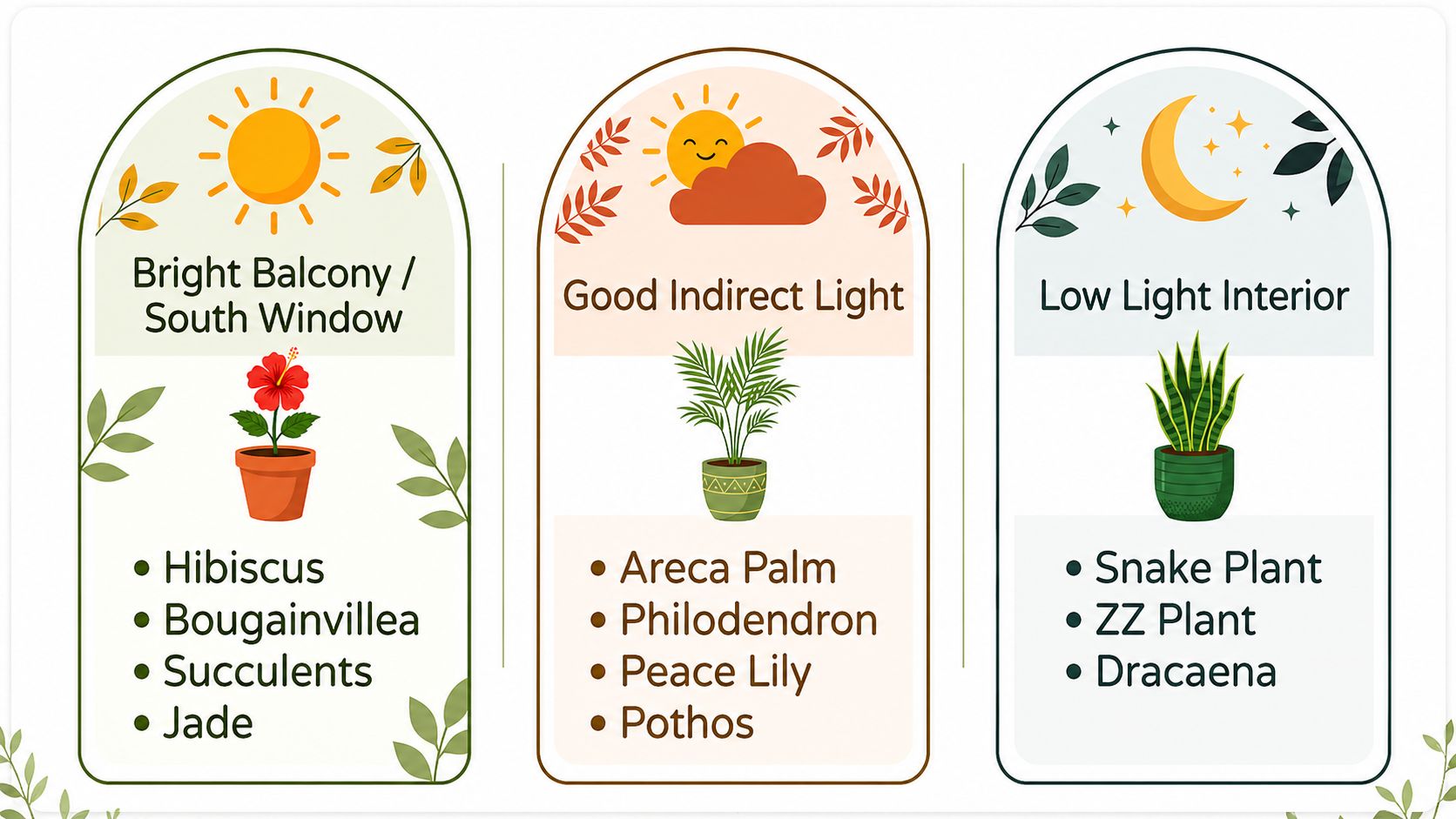
Some quick matches for Indian apartment conditions:
| Your Light Condition | Plants That Work |
|---|---|
| Bright balcony or south-facing window | Hibiscus, Bougainvillea, Succulents, Jade Plants |
| Good indirect indoor light | Areca Palm, Philodendron, Peace Lily, Pothos |
| Low-light interior | Snake Plant, ZZ Plant, Dracaena |
4. Soil and Pot Details
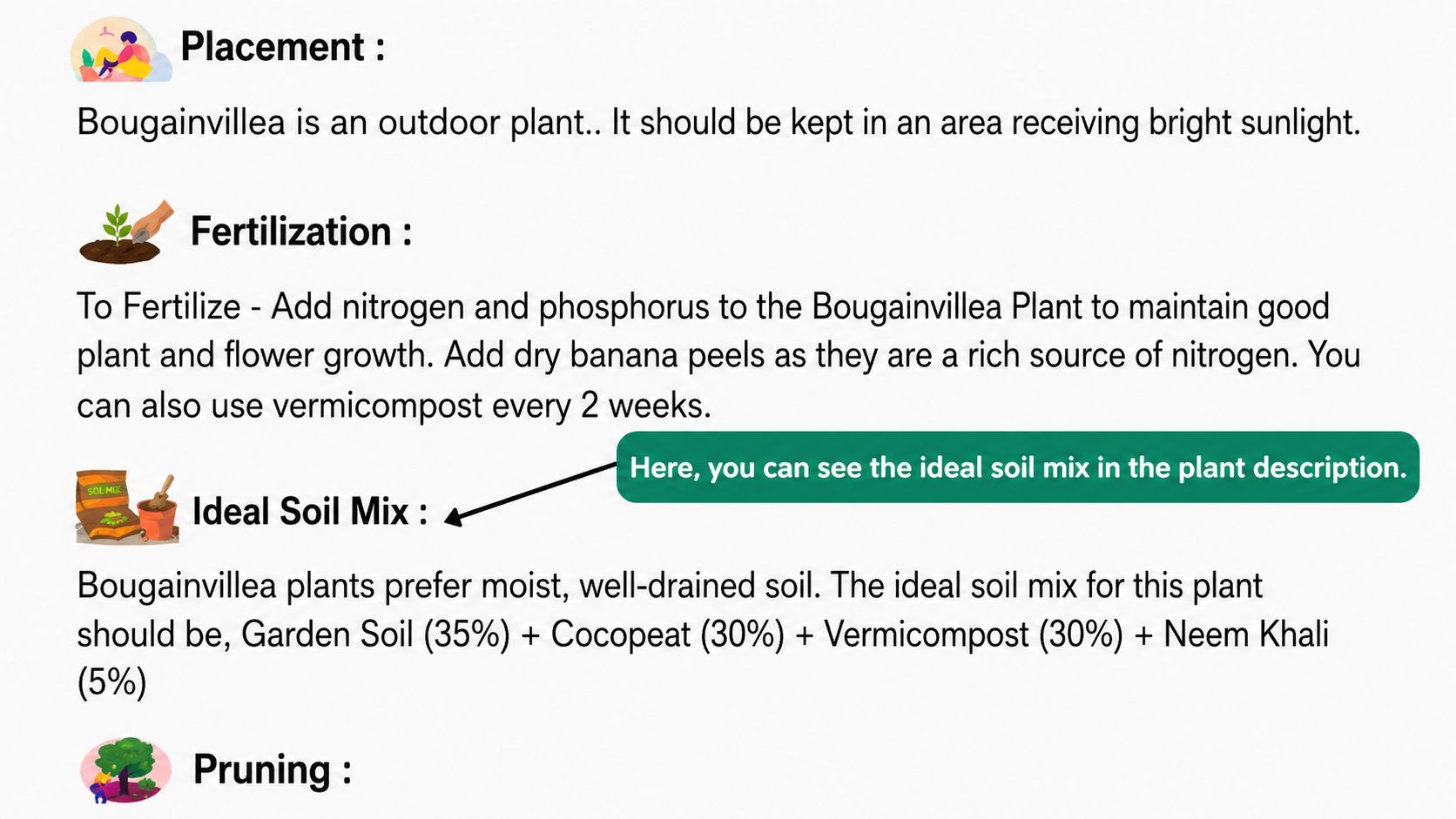
A good listing will tell you:
-
What soil mix is the plant growing in
-
Whether the pot has drainage holes
-
What type of pot does it come in (nursery pot, decorative pot, or bare-root)
Why this matters: Pots without drainage holes cause waterlogging, which leads to root rot — the single most common way apartment plants die. If the plant comes in a decorative pot without drainage, you will need to repot it soon after arrival.
5. Delivery and Packaging Details
The longer a plant spends in transit, the more stressed it becomes. In Indian summers especially, plants in dark boxes with no ventilation deteriorate fast — leaves yellow, roots dry out, and the recovery window shrinks.
Check for:
-
How quickly the seller dispatches and delivers (next-day delivery is the gold standard; it means the plant spends the least time in transit)
-
Whether the packaging photos are shown on the website
-
Whether the seller uses plastic-free or eco-friendly packaging that protects the plant without suffocating it
Sellers who show their packaging process and commit to fast delivery are almost always more reliable than those who do not. If a seller cannot tell you how they pack and how fast they deliver, that is a risk worth taking seriously.
6. Return and Replacement Policy
Every reliable plant seller should clearly outline how they handle damaged deliveries.
A good plant seller should clearly explain what happens if your plant arrives damaged.
Look for a 48-hour replacement window, and simple steps to report the issue, like sending photos and your invoice. Make sure damage during delivery is covered.
Also, most sellers do not allow general returns. They usually replace the plant first, and only give a refund if a replacement is not possible.
Avoid ordering from sellers without a visible policy, as you may have no recourse if something goes wrong.
Step 3: How to Check Plant Health From Listing Photos
When you cannot hold the plant yourself, these are the visual signals to look for.
Healthy Signs:
-
Bright green, firm leaves without yellowing or browning at edges
-
Multiple stems or shoots at the base (not a single tall stem with one or two leaves at the top)
-
Dense, bushy growth from the bottom of the plant
-
Roots visible at the drainage hole in the photo (a sign of good development)
Warning Signs:
-
Yellowing or drooping leaves (may indicate overwatering, root rot, or stress)
-
Single-stemmed plants with all energy going into one tall shoot
-
Flowering plants in full bloom (energy going into flowers, not roots, harder to establish after delivery)
-
Obvious soil dryness or cracking in photos
One rule experienced gardeners use: Always buy for the base, not the bloom. A plant with a strong, bushy base and multiple stems will establish faster and last longer than one with a single dramatic flower.
Step 4: What to Do When Your Plant Arrives
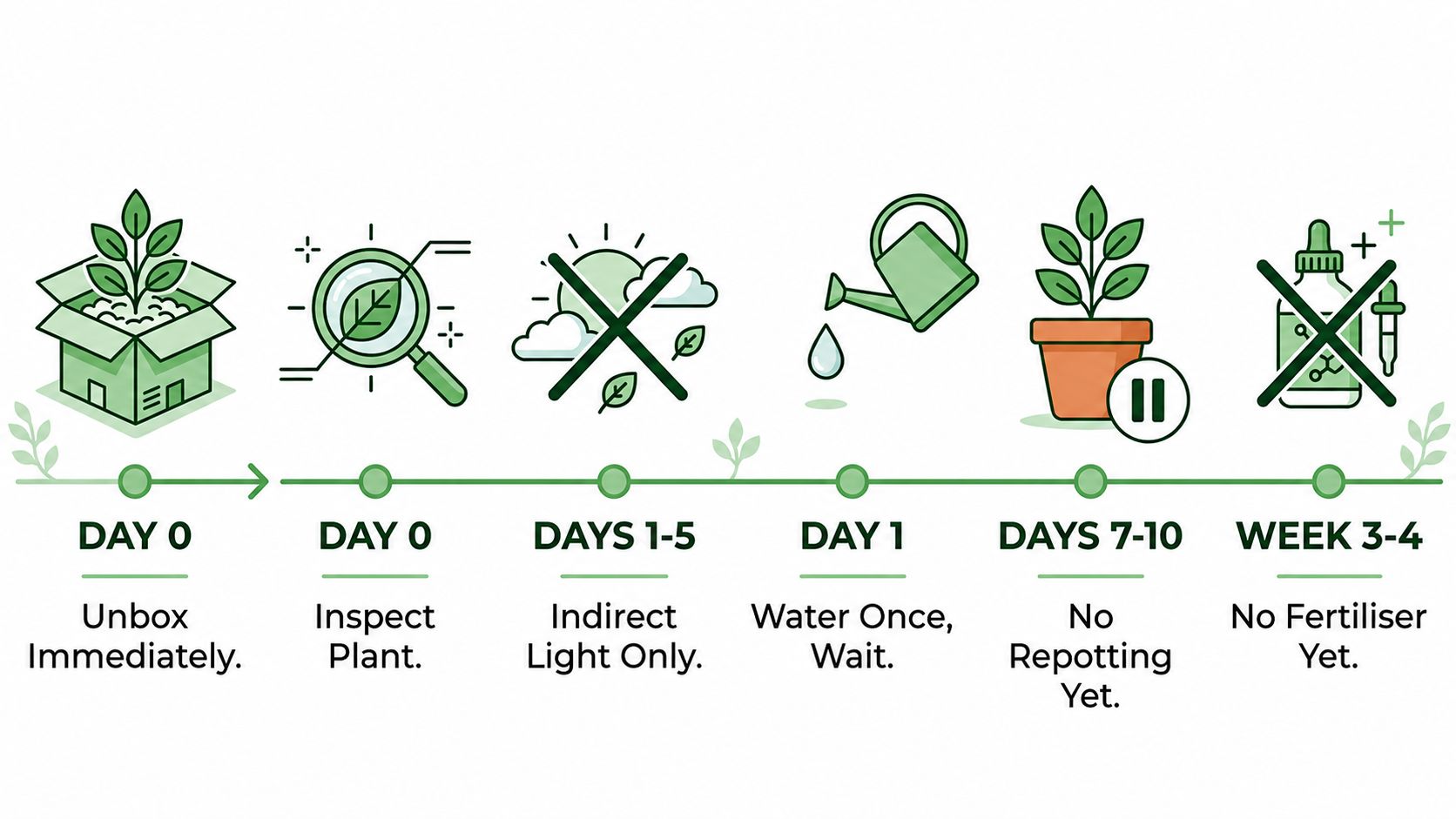
The first 48 hours after delivery are critical.
Even a plant that was in transit overnight is adjusting to a new environment, with different temperatures, light, and humidity than where it was grown. How you handle it in this window determines whether it settles in smoothly or starts to struggle.
1. Unbox Immediately.
Do not leave the plant in the box overnight. Open it as soon as possible to give it air and light.
2. Inspect The Plant.
Check leaves for damage, check the base for healthy stems, and gently check roots at the drainage hole. White, fibrous roots are healthy. Brown, mushy roots indicate rot. Document anything damaged immediately with photos in case you need to claim a replacement.
3. Place in Indirect Light First.
Do not move a newly arrived plant straight into direct sunlight. It needs gradual reintroduction to light conditions different from where it was grown. Keep it in a bright but shaded spot for 3–5 days before moving it to its permanent spot.
4. Water Once, Correctly. Check The Soil.
If it is bone dry, water it slowly until water drains from the bottom, then stop. Do not water again immediately. Overwatering a stressed plant causes more damage than underwatering.
5. Do Not Repot Immediately.
Wait at least 7–10 days before repotting. Give the plant time to stabilise in its current container first. Repotting too soon adds more stress to an already stressed plant.
6. Do Not Fertilise Immediately.
Wait 3–4 weeks before adding any fertiliser. The plant needs to establish roots first.
Best Plants for First-Time Apartment Buyers in India
If you are new to buying plants online, start with these. They are forgiving, adaptable, and well-suited to the light and humidity conditions of Indian apartments.
1. Snake Plant (Sansevieria)
Tolerates low light, infrequent watering, and neglect. Snake plant is one of the best plants for Indian apartments.
2. Money Plant / Pothos
Fast-growing, very forgiving of watering mistakes, and works in both soil and water. Money plant is ideal for beginners.
3. ZZ Plant
Handles low light and drought better than almost any other indoor plant. ZZ plant is good for offices and dim rooms.
4. Areca Palm
Adds instant greenery and height. Works in medium indirect light. Arrives fresh with next-day delivery and adjusts quickly to apartment conditions.
5. Peace Lily
Suited to low-medium light and signals its thirst by drooping slightly. Peace Lily is easy to read and easy to care for.
Avoid plants like Fiddle Leaf Fig for your first online purchase. They are sensitive, demanding in terms of humidity and light, and harder to revive if delivery stress affects them.
Why the Right Seller Makes All the Difference
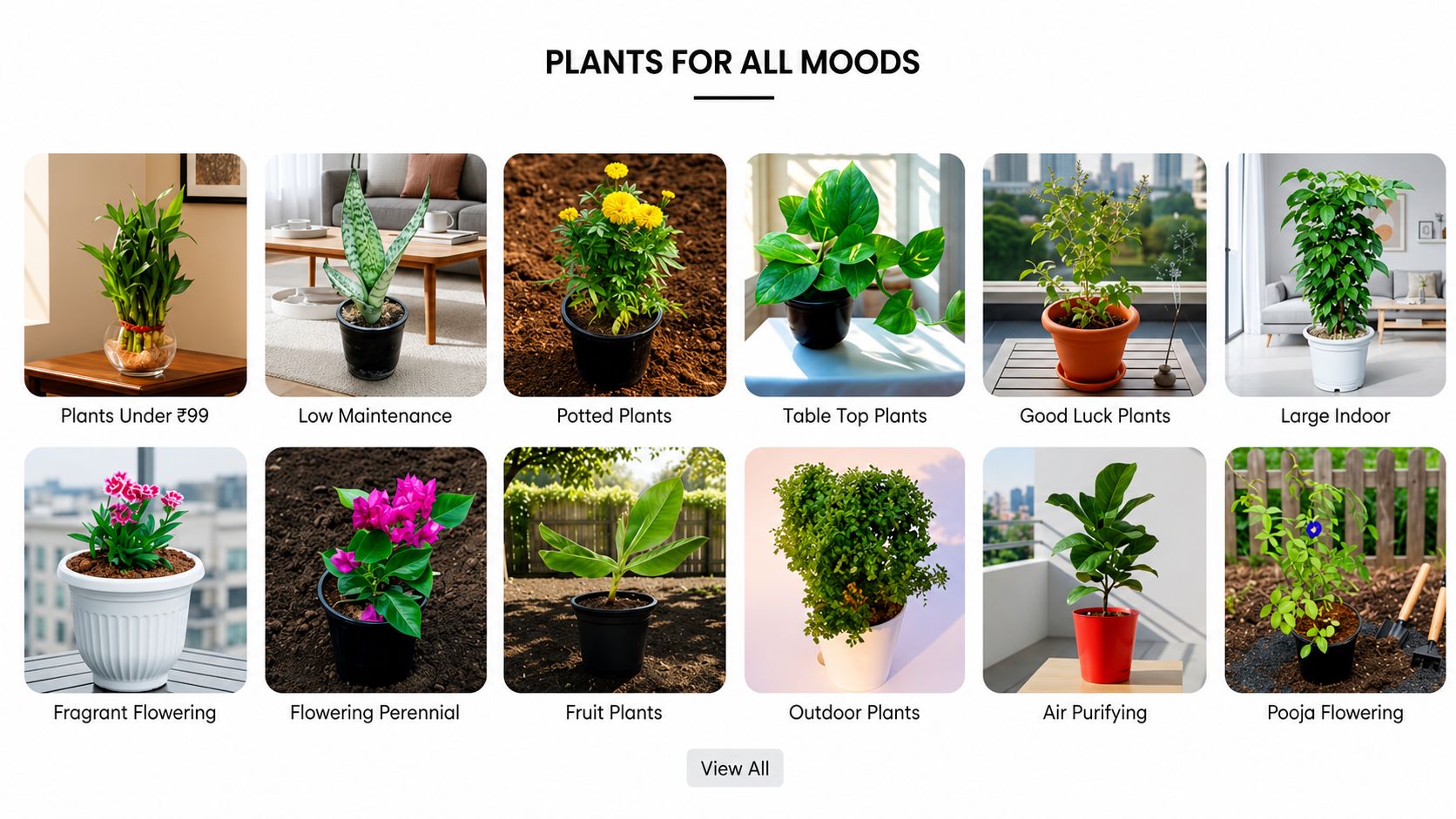
The checklist above helps you make better decisions, but a lot of this becomes easier when the seller does their part well.
What a trustworthy plant seller looks like: they show you real photos of actual plants, not just studio shots. They dispatch quickly. They describe size honestly. They have a replacement policy that does not make you fight for it.
Urvann was built around exactly this idea that a plant you order online should arrive at your door as healthy as it was the day it was picked.
Every plant on Urvann is grown and maintained at Urvann Farms' large nurseries located within the cities themselves, not shipped in from distant locations.
Each plant is nurtured by experts and goes through a quality check before it is dispatched, so only healthy, ready-to-thrive plants make it into the delivery cycle. Place your order before 7 PM, and it is scheduled for next-day delivery.
Browse our full online plant collection and use the checklist above before your next order.
Download the free checklist and keep it open the next time you shop for plants online.
Frequently Asked Questions (FAQs)
1. What should I check before buying a plant online?
Check four things in order: your home's light conditions, the plant's listed pot size and maturity stage, the seller's packaging and delivery details, and whether a clear return or replacement policy exists. Do not add anything to your cart without confirming that the plant's light requirements match your space.
2. What are the red flags when buying plants online?
The most common red flags are: only studio or stock photos with no real plant images, no mention of pot size or plant maturity in the listing, vague or missing return and replacement policies, and no clear information about packaging or delivery timeline. If a seller cannot tell you how they pack and how fast they deliver, that is a risk.
3. Which is the best site to buy plants online in India?
Look for a seller that grows plants locally rather than shipping from distant locations, offers next-day or fast delivery, uses plastic-free or protective packaging, and provides honest size descriptions. Urvann grows all plants at Urvann Farms, located within the cities it serves, quality-checks every plant before dispatch, and delivers the next day when you order before 7 PM.
4. What plants are best for beginners buying online in India?
Snake Plant, Money Plant (Pothos), ZZ Plant, Areca Palm, and Peace Lily are the most forgiving choices for first-time buyers. They tolerate some watering inconsistency, adapt to a range of indoor light conditions, and handle the adjustment period after delivery well. Avoid sensitive plants like Calathea, Maidenhair Fern, or Fiddle Leaf Fig for your first online purchase.
5. How do I know if a plant listing is showing the real size?
Look for the pot size mentioned in the title or description (for example, 4 Inch Nursery Bag or 6 Inch Pot). Check whether the listing distinguishes between plug plants, starter plants, and mature plants. If the only photos show a large, fully grown specimen but the price is under ₹99, you are likely looking at a very young starter, not the plant in the photo.
6. How do I care for a plant right after it arrives from an online order?
Unbox the plant the same day it arrives. Place it in bright but indirect light for the first 3–5 days. Do not move it straight into direct sunlight. Water once thoroughly if the soil is dry, then wait before watering again. Do not repot or fertilise for at least a week. Give the plant time to adjust to its new environment before making any changes.
7. Why do plants bought online sometimes die quickly?
The most common reasons are a mismatch between the plant's light needs and the buyer's home conditions, incorrect watering after delivery, repotting too soon after arrival, or receiving a plant that was already stressed during transit. Using the checklist in this guide before and after purchase addresses all of these.
8. Is it safe to buy plants online in India during the summer?
Yes, with the right seller. The key is fast delivery; a plant that spends only one day in transit is far less stressed than one that travels for five. Always check that the seller dispatches quickly and uses proper packaging. Avoid ordering very sensitive or delicate plants during extreme heat waves, regardless of the delivery speed.