


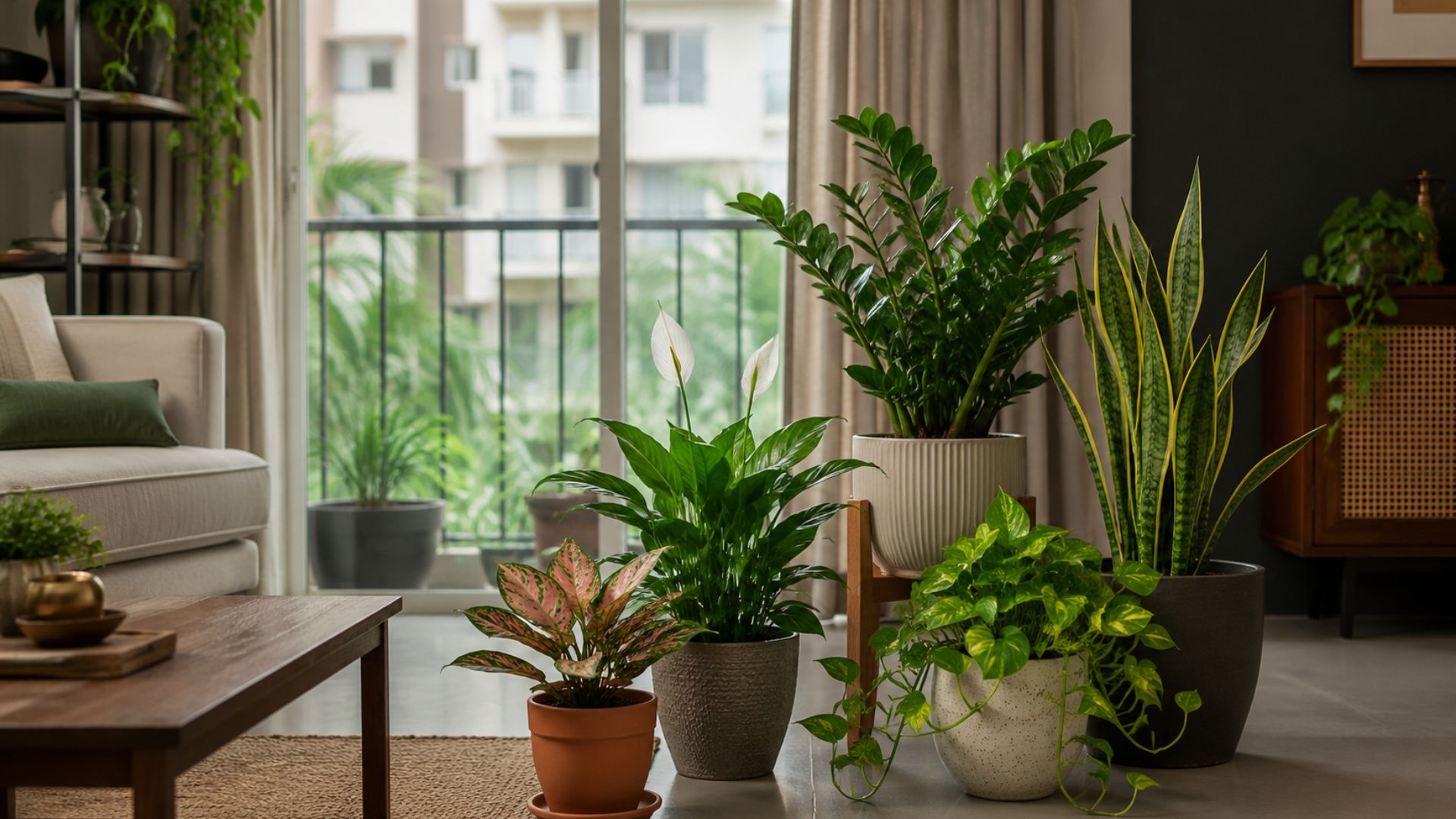
Learn about the 9 best indoor plants that you can keep in your Bangalore homes with little natural light.
Key Takeaways
- Snake Plant, ZZ Plant, Peace Lily, Money Plant, and Aglaonema are the most dependable choices for Bangalore homes with little natural light.
- "Low light" means no direct sun, not total darkness. A spot a few feet from a window or a bright hallway still counts.
- Bangalore's covered balconies, deep apartment layouts, and shaded IT-corridor flats are exactly why low-light plants work so well here.
- Low light means soil dries slowly. Water less often than you would for a sun-loving plant, and always use a pot with drainage holes.
Why do some Bangalore homes stay green all year while others give up on indoor plants within a month?
Most Bangalore apartments simply do not get the kind of light a plant care label expects. Tall neighbouring buildings block the morning sun, balconies come with mesh grilles or covered sit-outs, and many flats in Whitefield, HSR Layout, Electronic City, and Indiranagar face north or are set deep enough into the building that a window barely reaches the living room. Bring home a sun-loving plant in that kind of space, and it will drop leaves within weeks, no matter how carefully you water it.
The fix is not more effort. It is choosing plants that are naturally built for shade. Here are 9 indoor plants that hold up beautifully in low-light Bangalore homes, along with how to pot and care for them.
Why Bangalore Homes Often Run Short on Natural Light
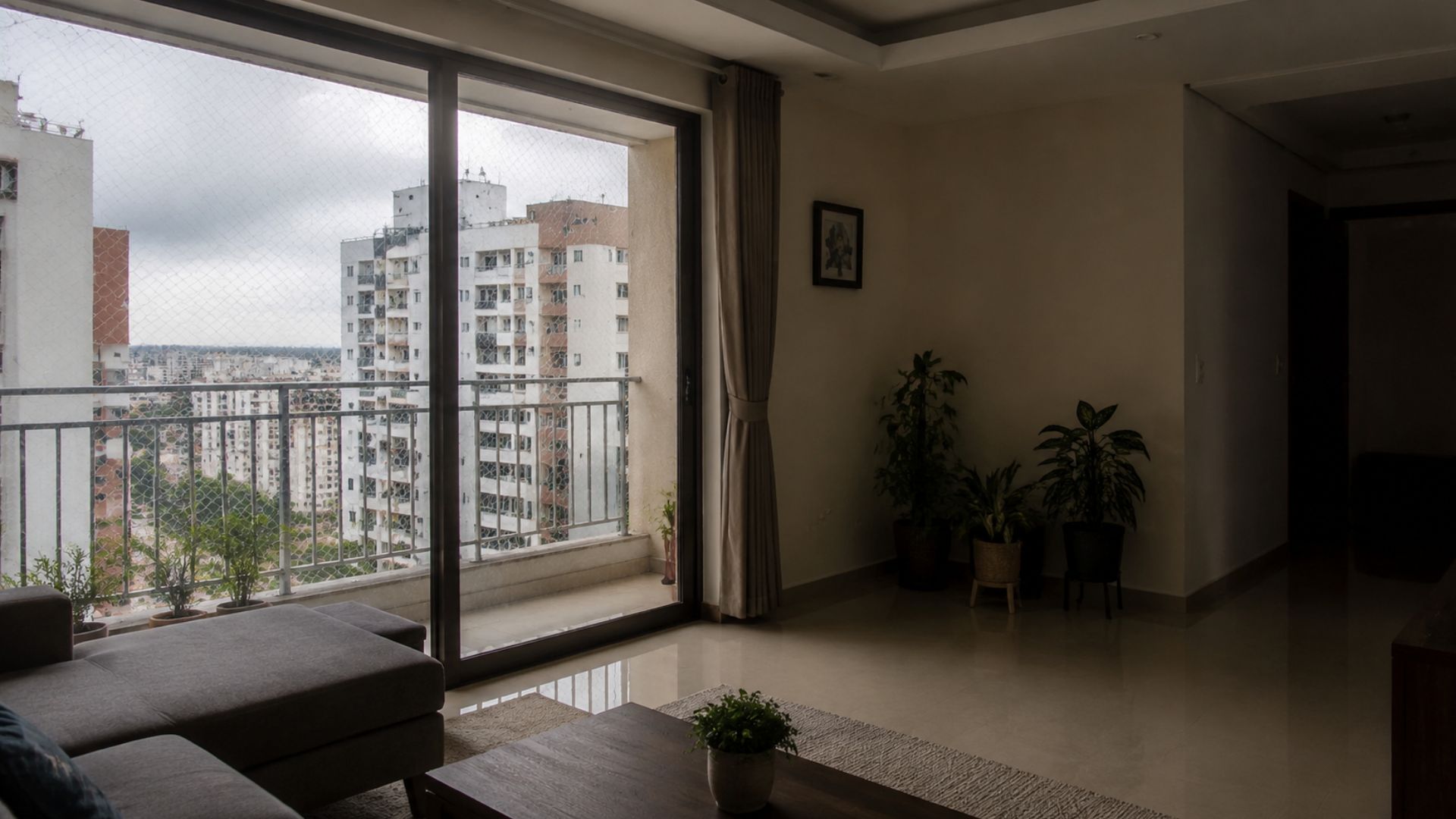
Bangalore's monsoon months bring extended cloudy stretches from June to September, cutting into whatever indirect light a room normally gets — on top of the building layouts already working against you. The result: many rooms get bright, indirect light rather than direct sunlight. Fortunately, that is still enough for many indoor plants to grow well.
Low Light Doesn't Mean No Light
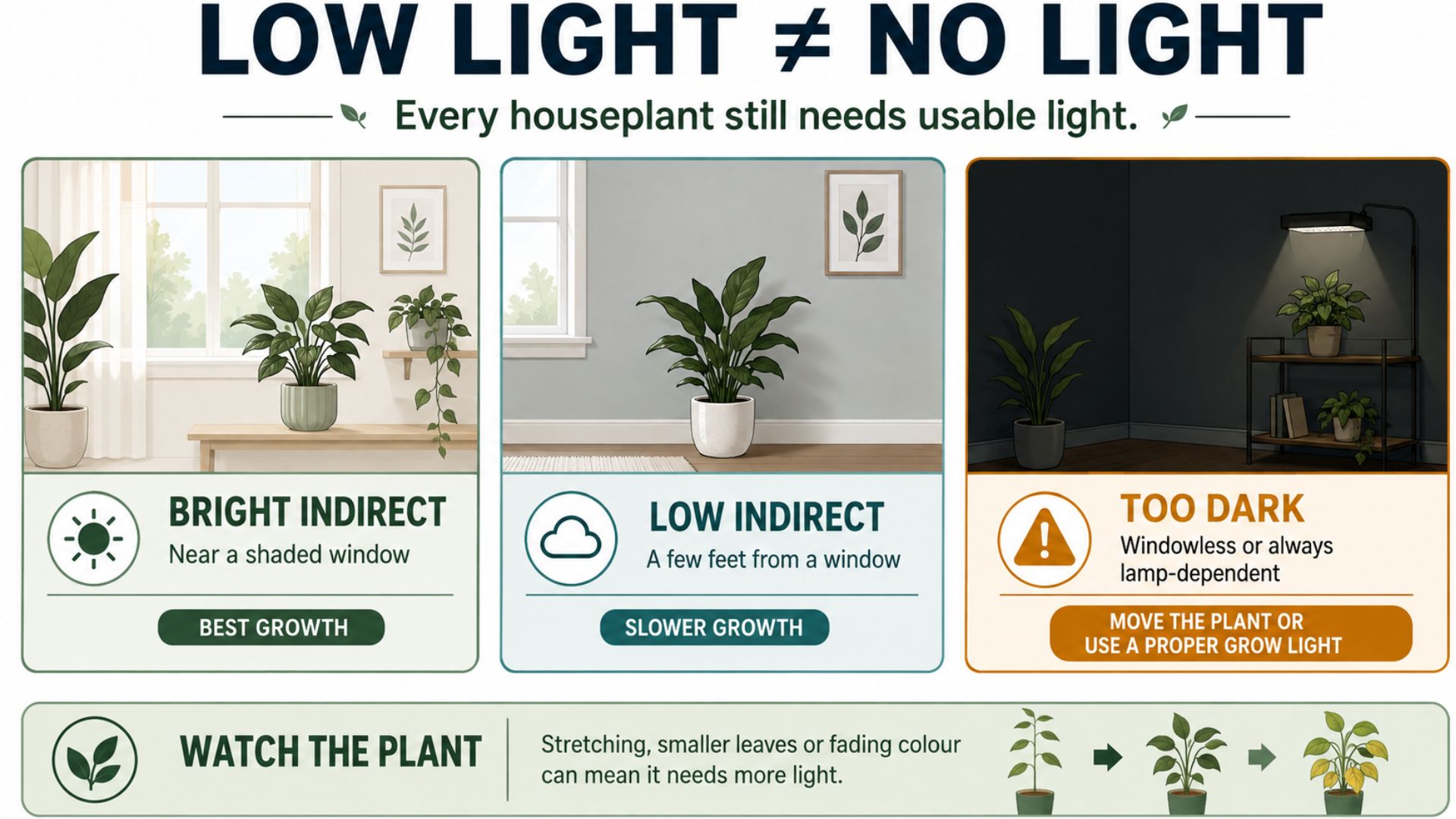
A common mistake is assuming a plant tagged "low light" can survive in a windowless store room or a bathroom with no opening at all. In practice, every plant needs some ambient daylight to photosynthesise. "Low light" in this guide means a spot with no direct sun: a few feet back from a north- or east-facing window, a bright hallway, a covered balcony, or a corner of a well-lit living room. In near-total darkness, even the toughest plant will eventually stop growing.
List of Indoor Plants for Bangalore Homes With Little Natural Light
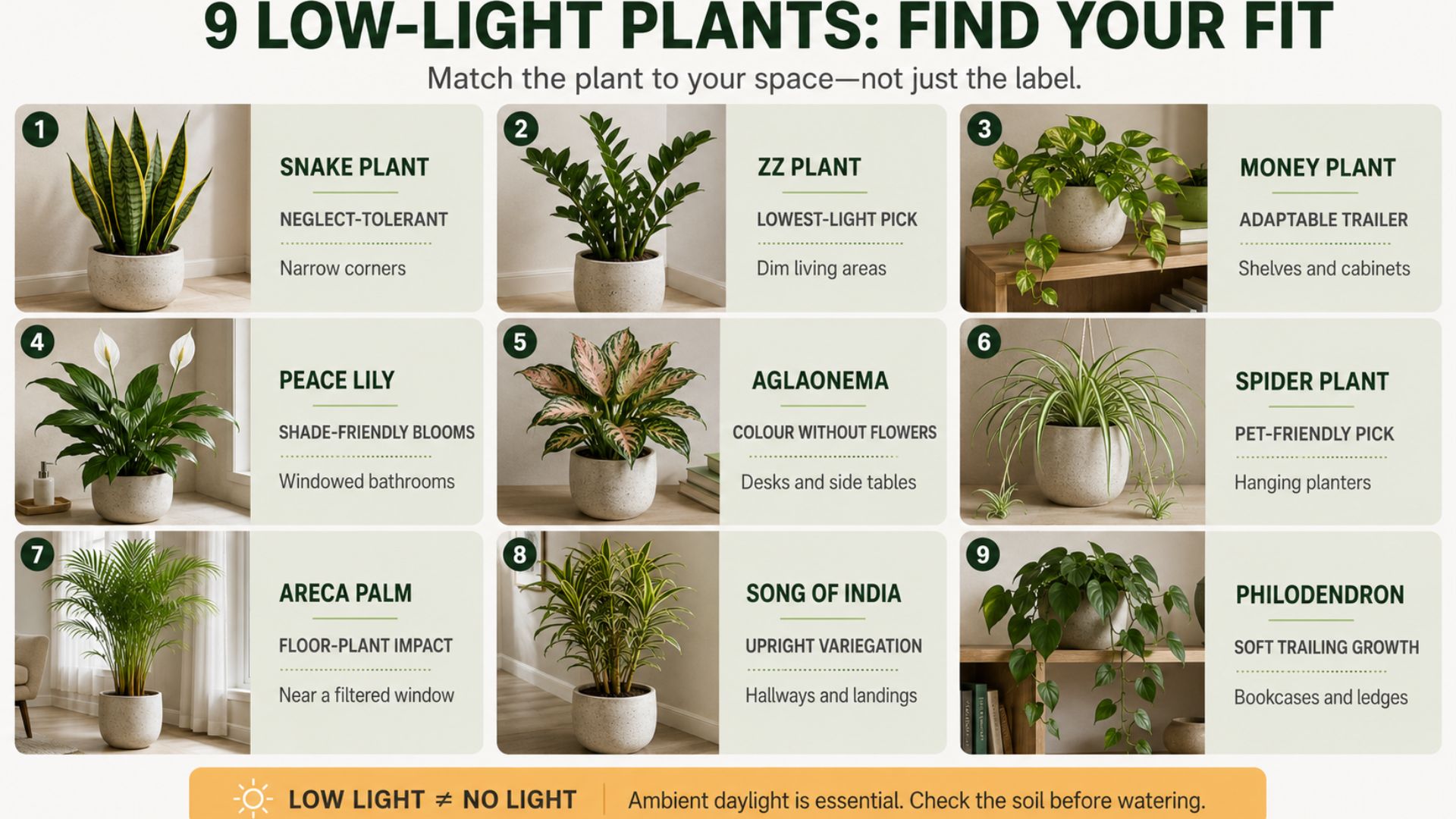
Each of these plants is available at Urvann and adapts well to filtered light, indirect brightness, or a spot away from the window.
1. Snake Plant (Sansevieria trifasciata)
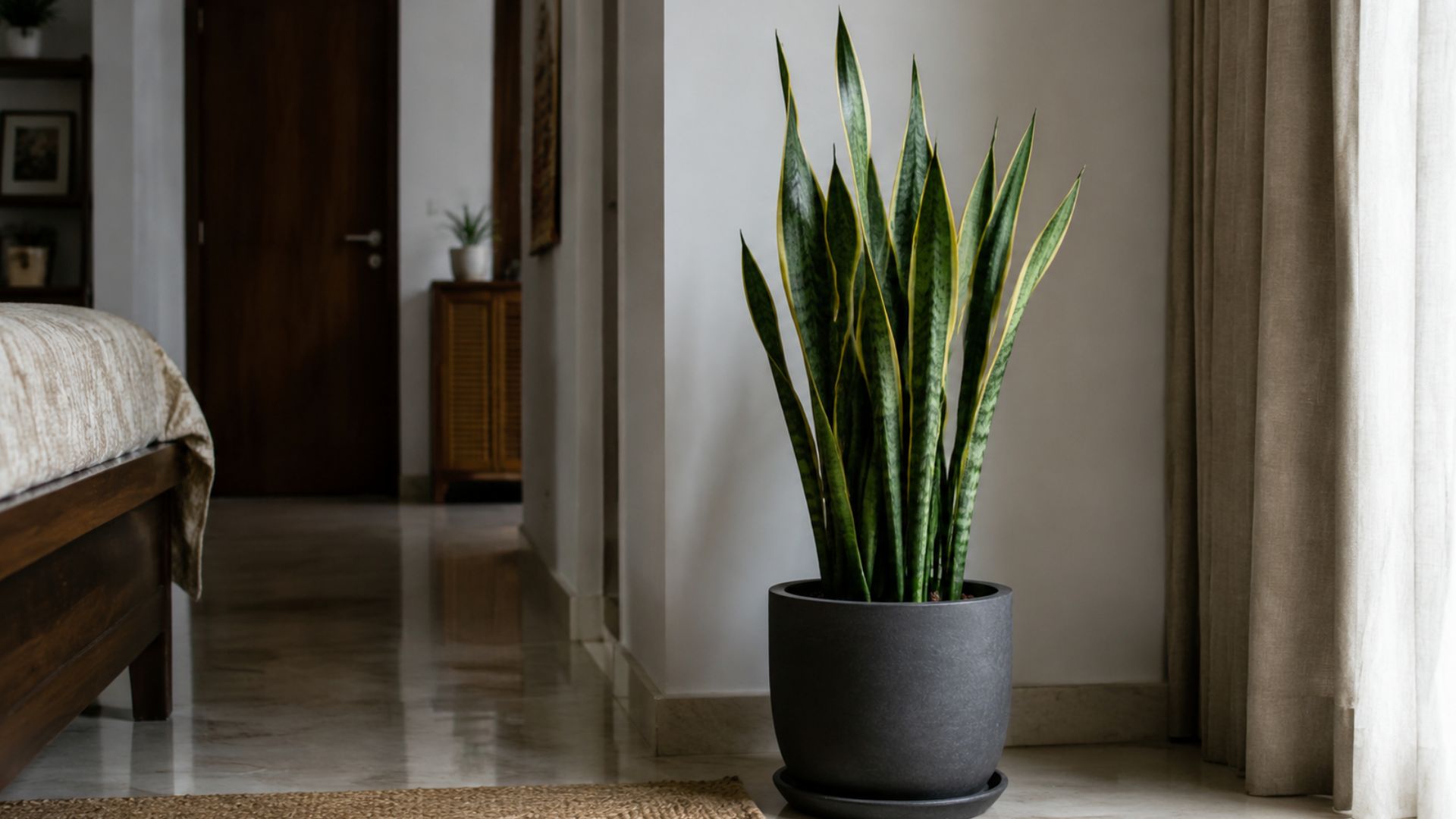
One of the most forgiving indoor plants you can buy. Its stiff, upright leaves hold their shape in low light, and the plant is known for continuing to release oxygen even at night, which makes it a popular pick for bedrooms.
- Light needed: Tolerates low, filtered light; avoid harsh direct sun
- Watering: Let the soil dry out completely between waterings; once every 2 to 3 weeks indoors is usually enough
- Best spot in your home: Bedside tables, hallways, or any corner that gets no direct sun
- Pro tip: Overwatering, not low light, is what usually kills a Snake Plant. When in doubt, wait a few more days.
Shop the Snake Plants at Urvann.
2. ZZ Plant (Zamioculcas zamiifolia)
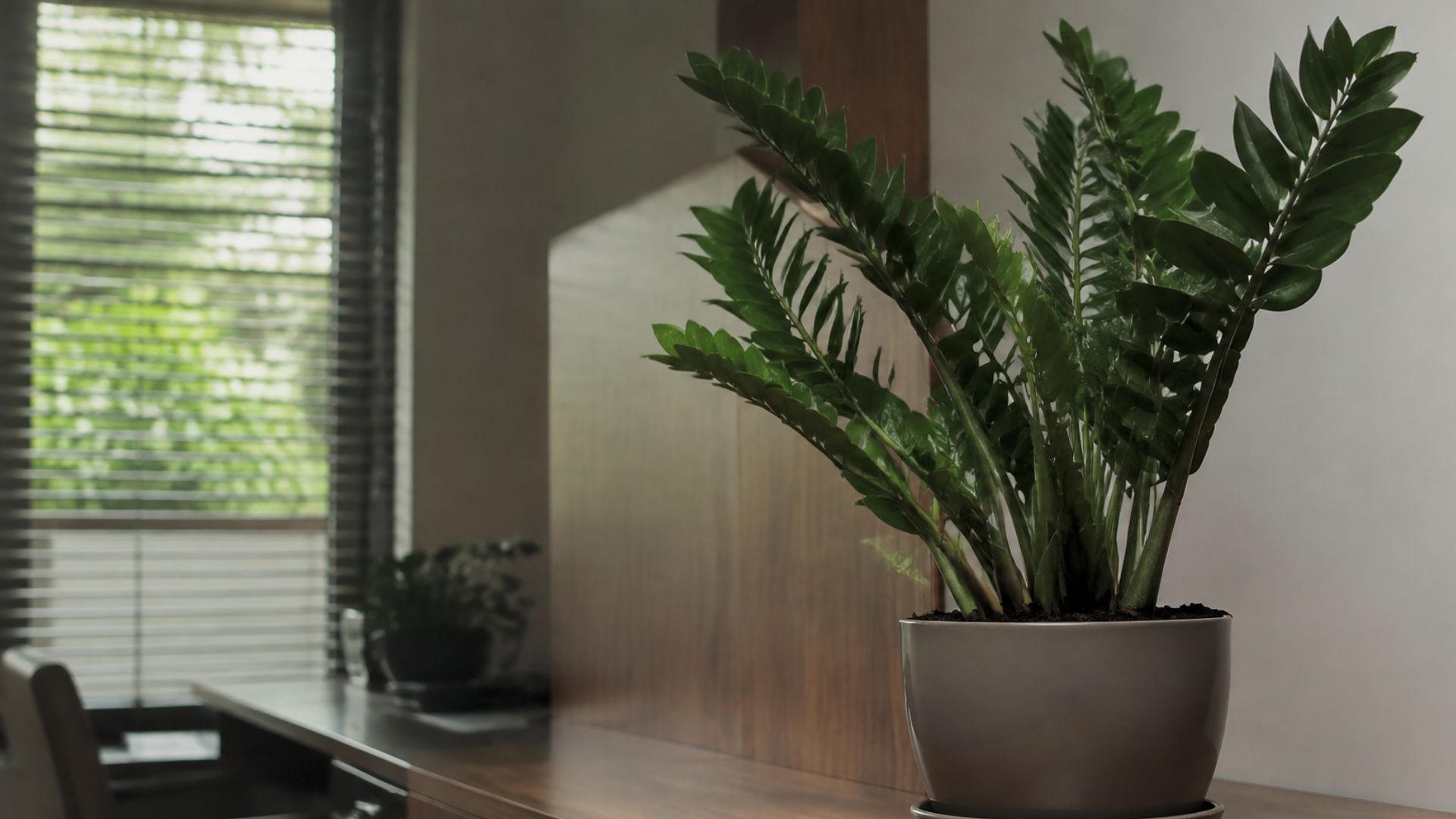
The ZZ Plant stores water in thick underground rhizomes, which lets it go weeks without attention. Its glossy, dark leaves reflect whatever little light is available, so it tends to look healthy even tucked into a dark corner.
- Light needed: Handles low to moderate indirect light comfortably
- Watering: Water only once the soil is bone-dry; overwatering is the main risk
- Best spot in your home: Office desks, dim living room corners, or spaces with only artificial light
- Pro tip: Wipe the leaves every couple of weeks with a damp cloth so they can absorb whatever light is available.
Shop the ZZ Plants at Urvann.
3. Money Plant / Pothos (Epipremnum aureum)
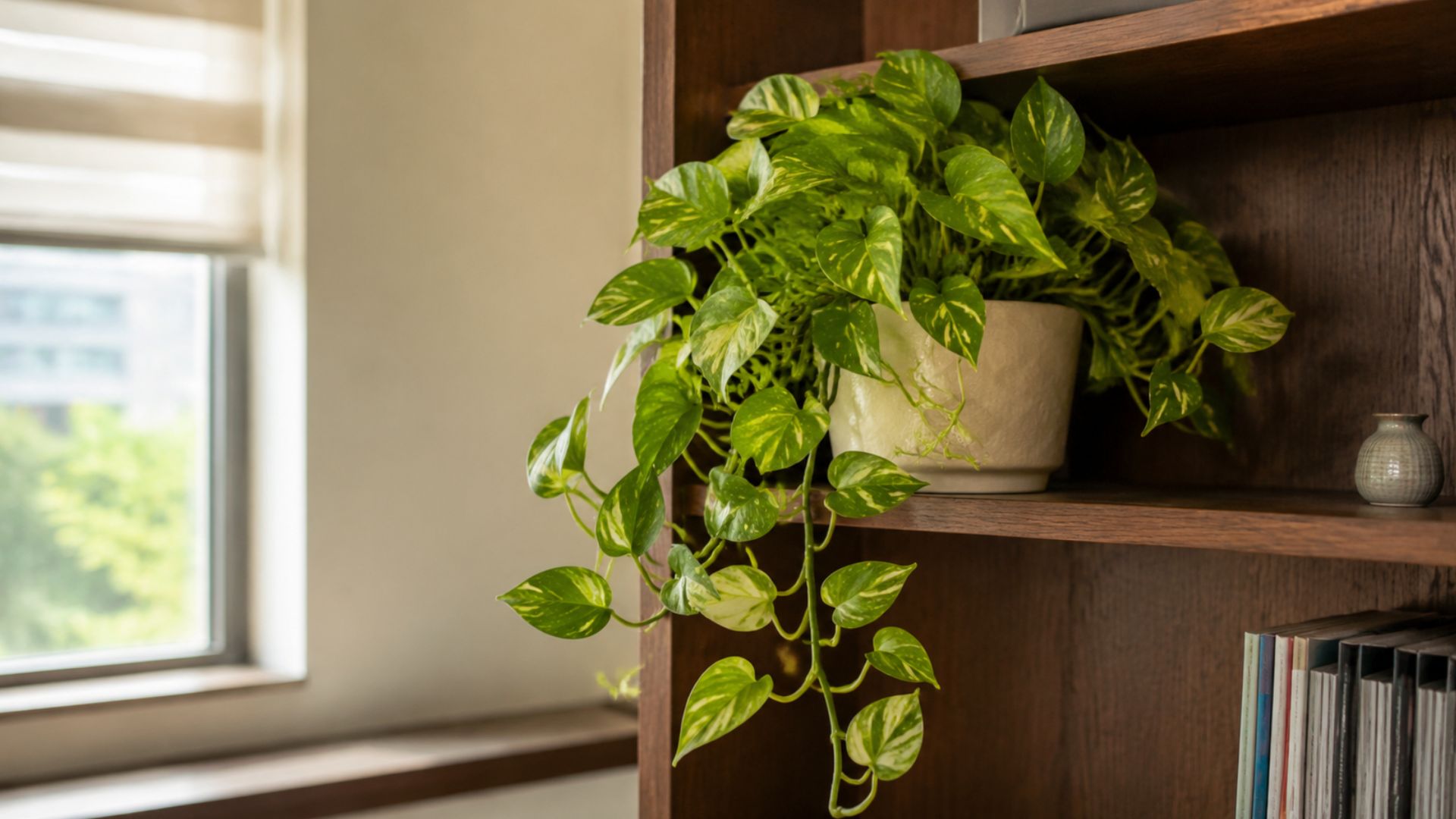
A staple in Indian homes for good reason. Money Plant adapts to almost any indoor condition and its trailing vines work equally well on a shelf, in a hanging basket, or trained up a moss pole.
- Light needed: Grows well in low to bright indirect light; leaves may lighten in very dim spots
- Watering: Water when the top inch of soil feels dry, roughly once a week indoors
- Best spot in your home: Kitchen shelves, bookcases, or a hanging basket near an interior wall
- Pro tip: It grows happily in a jar of water too. Change the water every 7 to 10 days if you skip soil altogether.
Shop the Money Plants at Urvann.
4. Peace Lily (Spathiphyllum)
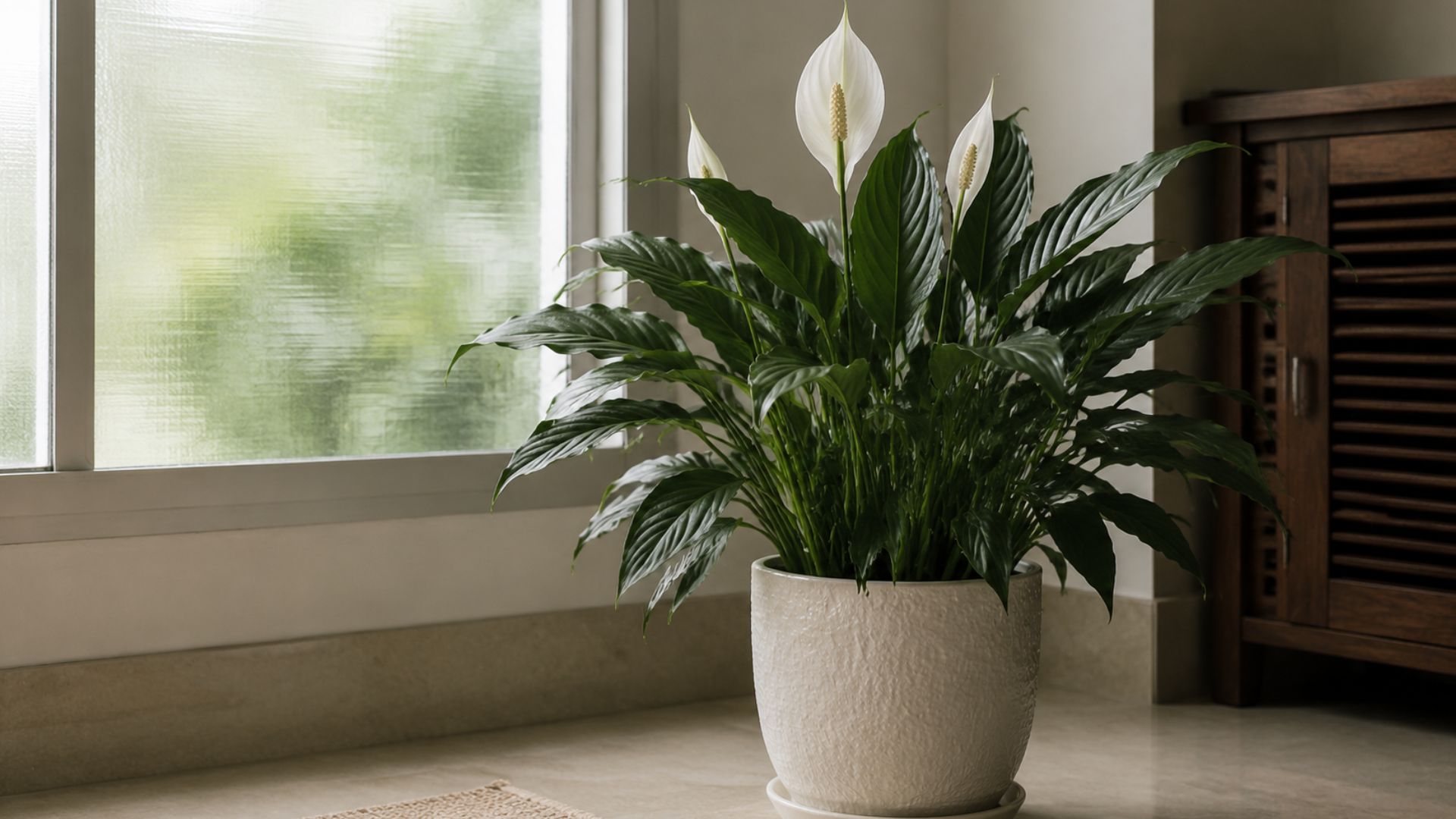
Peace Lily is one of the few flowering plants that will still bloom in a shaded spot. Its dark, glossy leaves and white spathes brighten up rooms that get little to no direct sun, and it tells you clearly when it needs water: the leaves droop, then bounce back within hours of a drink.
- Light needed: Prefers shaded to low indirect light; direct sun scorches the leaves
- Watering: Water when the topsoil feels dry; drooping leaves are a reliable, harmless watering cue
- Best spot in your home: Bathrooms with a window, hallways, or shaded living room corners
- Pro tip: Low light means the soil dries slowly. Check before watering rather than sticking to a fixed schedule.
Shop the Peace Lilies at Urvann.
5. Aglaonema (Chinese Evergreen)
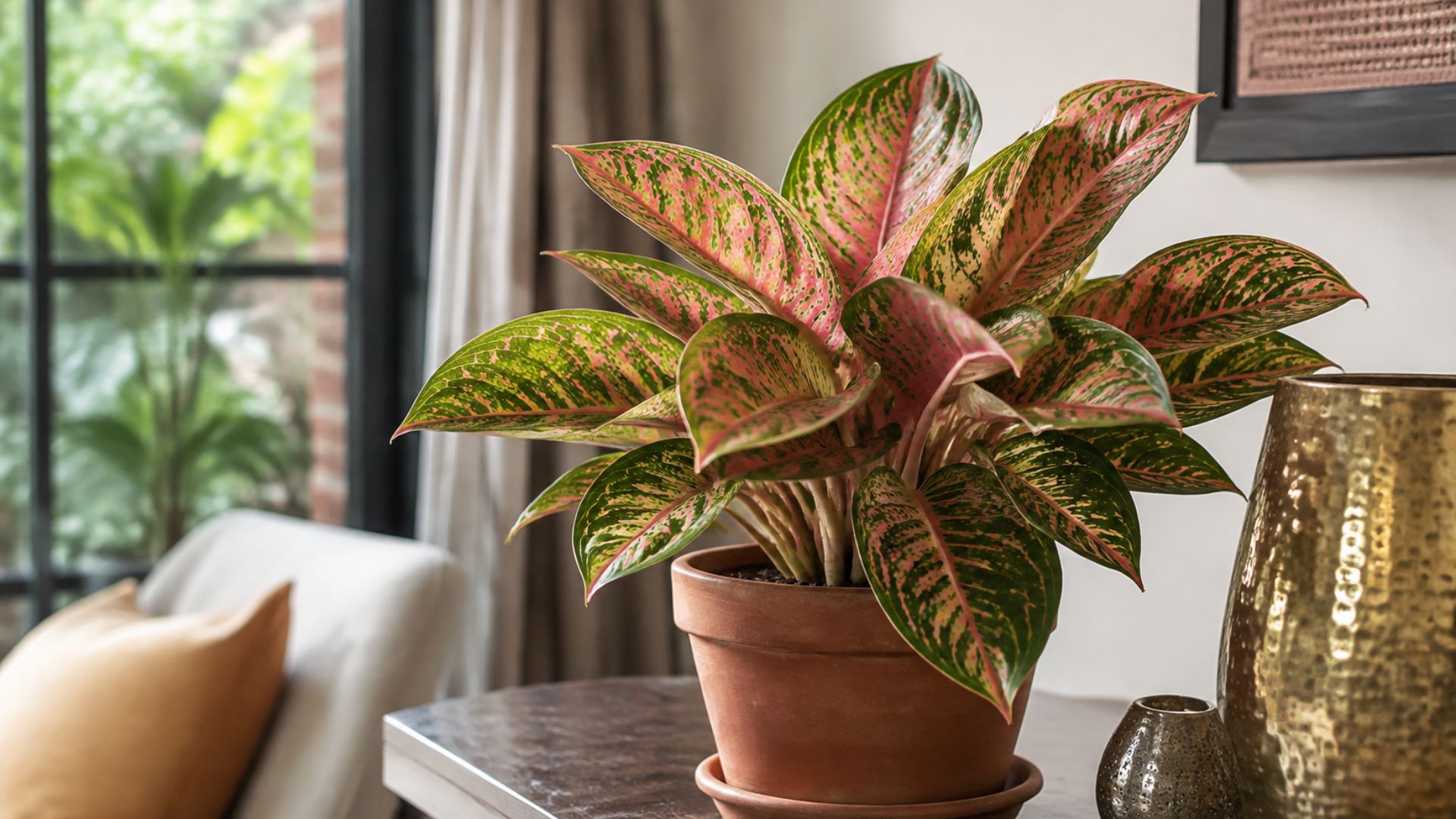
Aglaonema proves that low-light plants do not have to look plain. Its broad leaves come patterned in silver, green, and pink, and the plant stays colourful and full even in a corner that never sees the sun directly.
- Light needed: Comfortable in low to medium indirect light
- Watering: Water moderately once the top layer of soil dries out; avoid soggy soil
- Best spot in your home: Living room corners, office desks, or air-conditioned rooms
- Pro tip: It is one of the most forgiving plants for beginners and adapts well to indoor air conditioning.
Shop the Aglaonema plants at Urvann.
6. Spider Plant (Chlorophytum comosum)
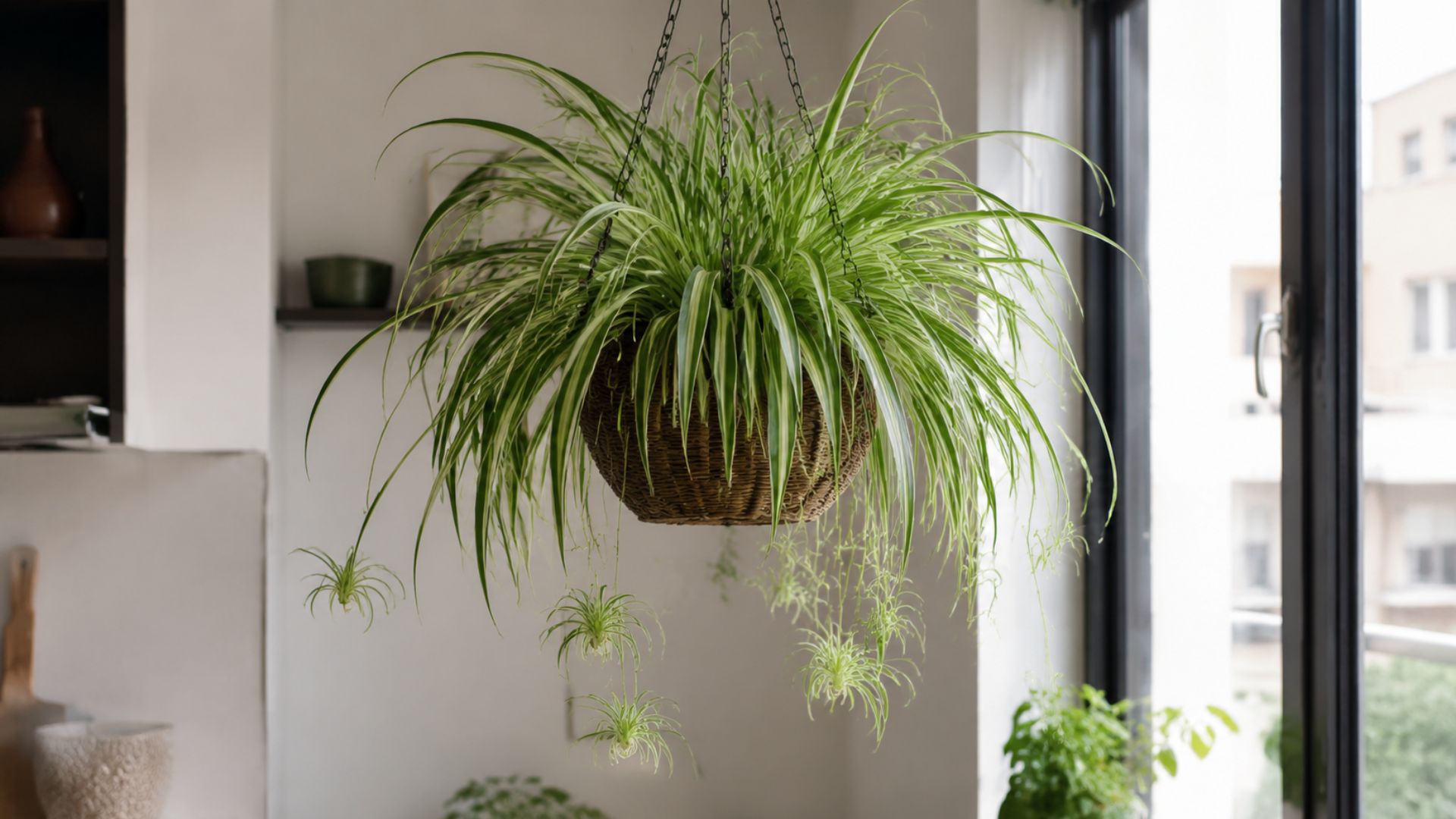
Spider Plant's long, arching leaves and easy nature have made it a favourite for decades. It tolerates low light better than most flowering houseplants and regularly produces baby plantlets you can root and share.
- Light needed: Adapts well to low to bright indirect light
- Watering: Water when the topsoil dries out, roughly once a week
- Best spot in your home: Kitchen shelves, hanging baskets, or office desks
- Pro tip: It is pet-friendly, so it is a safe pick for homes with cats or dogs.
Shop the Spider Plants at Urvann.
7. Areca Palm (Dypsis lutescens)
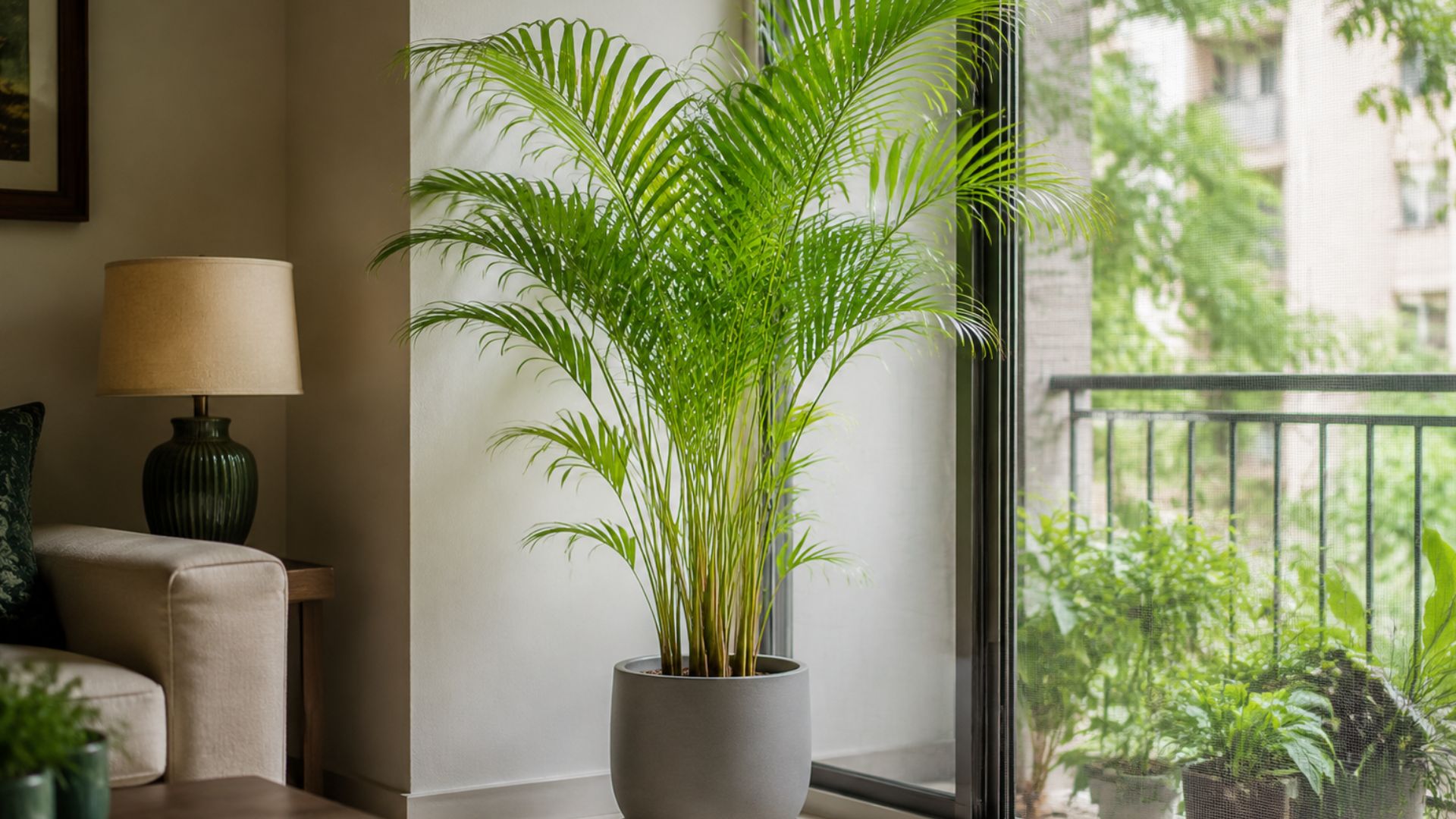
Areca Palm brings a tropical, feathery look to a room without needing hours of direct sun. It works well as a floor plant in a living room corner or a covered balcony that only gets filtered daylight.
- Light needed: Prefers bright indirect light but tolerates lower light indoors
- Watering: Keep the soil lightly moist; water when the top inch feels dry
- Best spot in your home: Living room corners, covered balconies, or near a shaded window
- Pro tip: Mist the fronds occasionally, especially during Bangalore's drier months, to keep the tips from browning.
Shop the Areca Palms at Urvann.
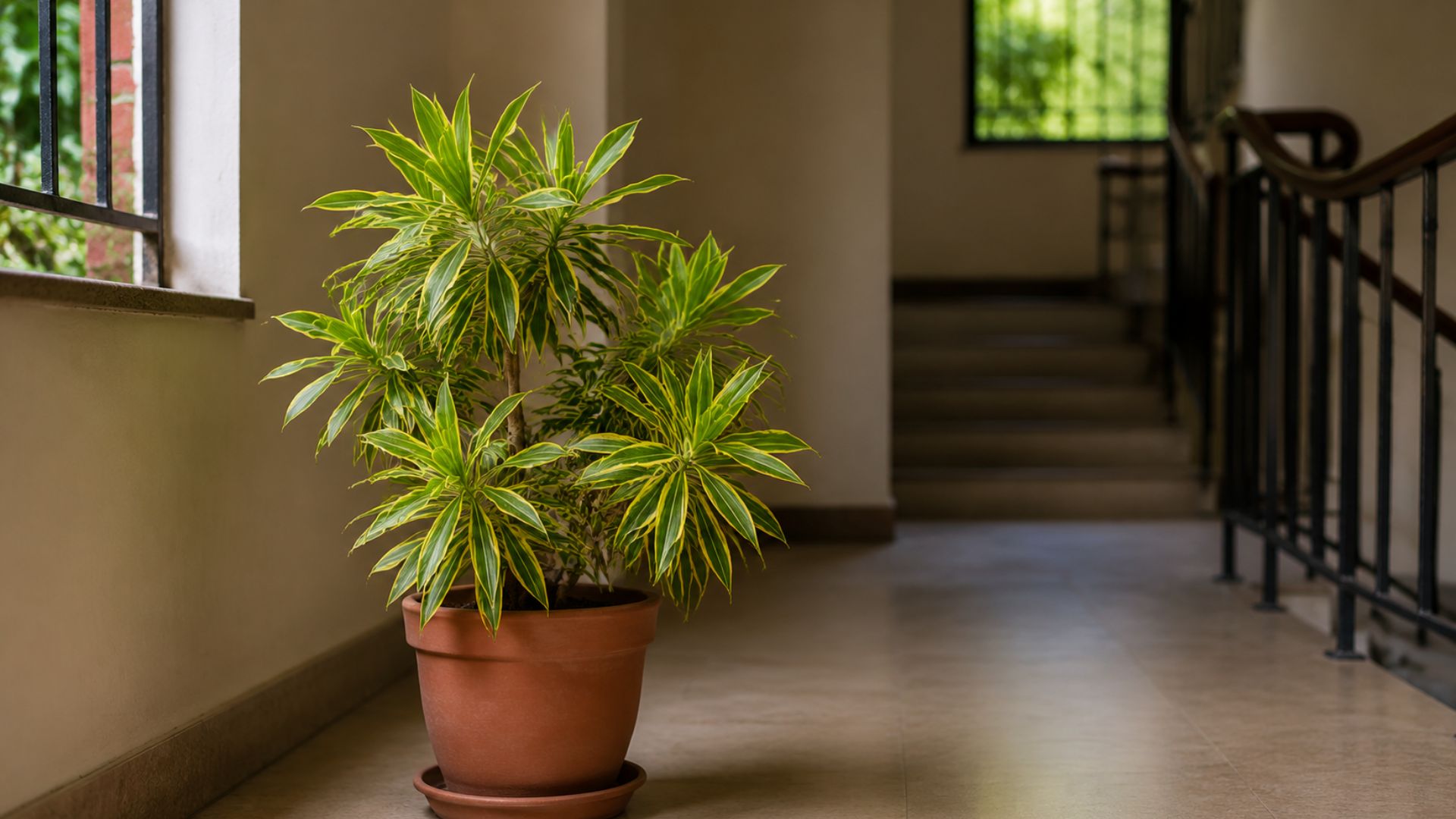
8. Song of India (Dracaena reflexa)
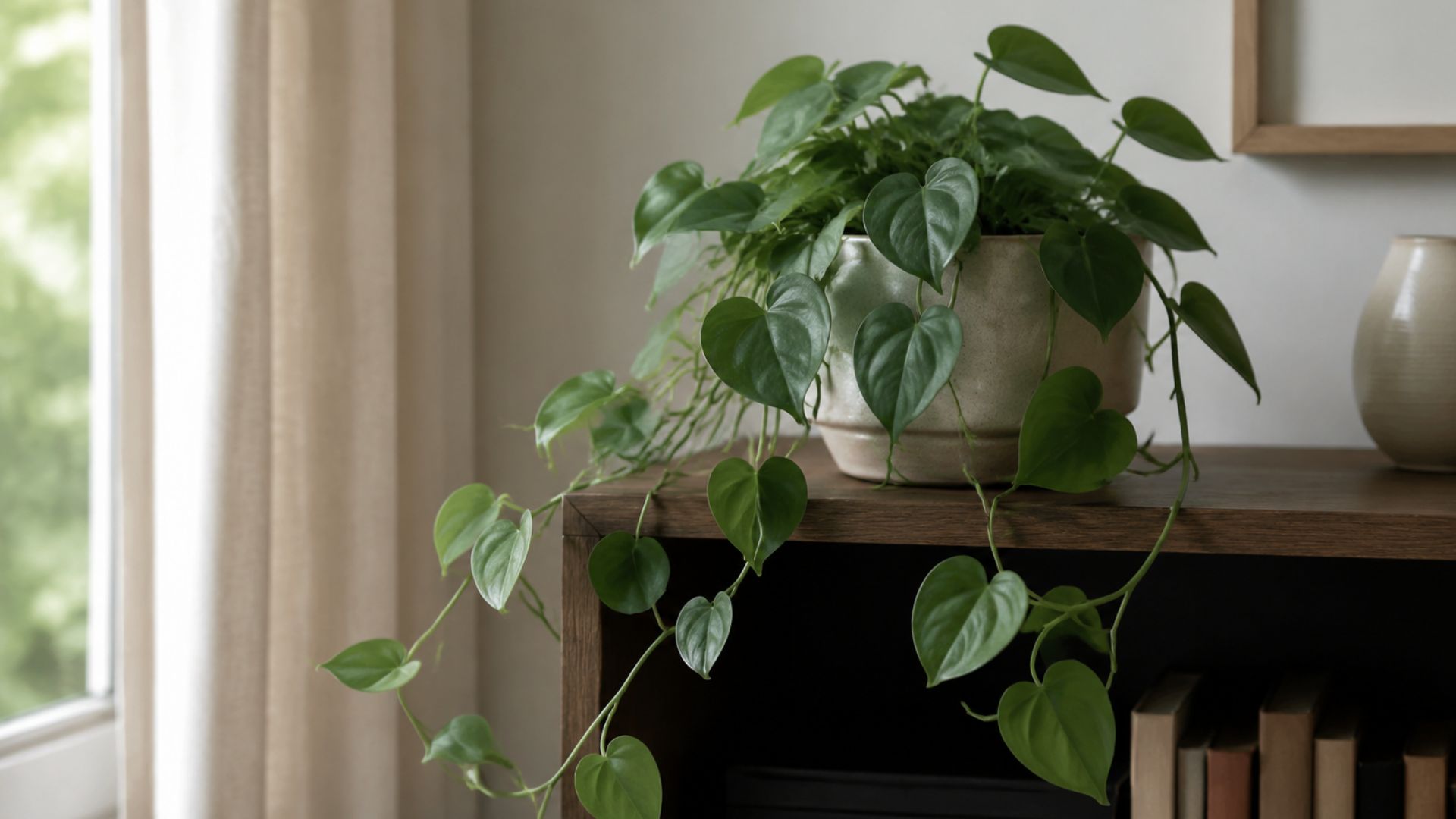
This variegated Dracaena adds colour to a shaded corner without the fuss of a flowering plant. It is best kept out of harsh direct sun, which makes it a natural fit for interior rooms and shaded hallways.
- Light needed: Tolerates low to medium indirect light; keep away from direct sun
- Watering: Water only once the soil is fully dry, and mist occasionally for humidity
- Best spot in your home: Interior hallways, staircases, or shaded corners
- Pro tip: Trim yellowing leaves regularly to keep new growth coming.
Shop the Song of India plants at Urvann.
9. Philodendron (Heartleaf Philodendron)
Philodendron's trailing, heart-shaped leaves soften bookshelves and cabinets, and the plant continues putting out new growth even when light is limited, just at a slower pace.
- Light needed: Handles low to medium indirect light well
- Watering: Water when the top inch of soil feels dry; it recovers quickly if you miss a watering
- Best spot in your home: Hanging baskets, shelves, or trailing off a cabinet
- Pro tip: If leaves start looking smaller than usual, move the plant slightly closer to a window for a few hours a day.
Shop the Philodendronss at Urvann.
How To Choose the Right Pot for Low-Light Indoor Plants
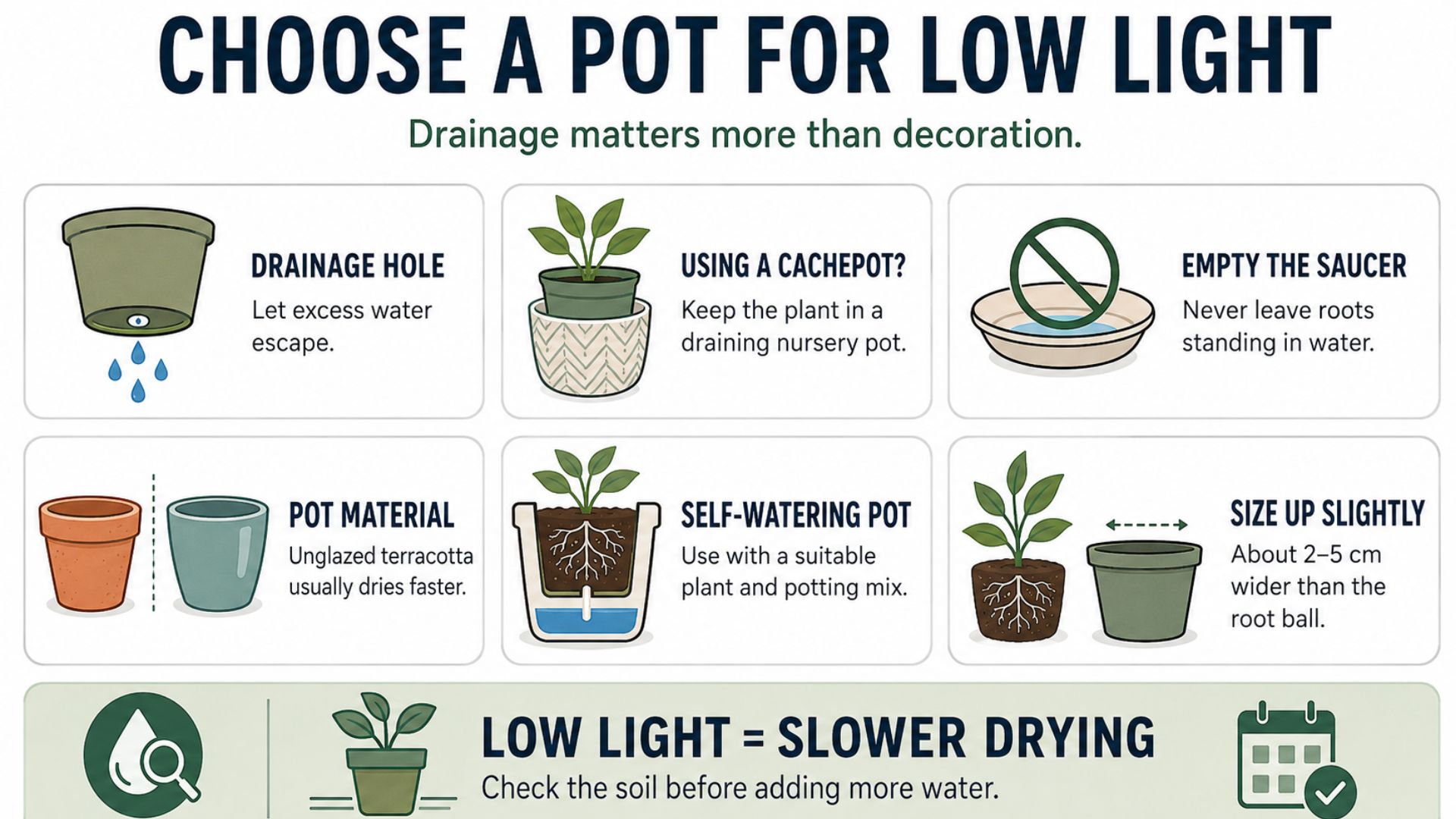
The right pot matters as much as the right plant, especially in low light, where soil stays damp for longer and drainage becomes more important.
- Drainage first: Always choose a pot with a drainage hole, or place a nursery pot inside a decorative one and empty the saucer after watering
- Self-watering pots: A good option for busy schedules since they hold a small water reserve and reduce the risk of both over- and under-watering
- Ceramic vs plastic: Ceramic pots hold moisture a little longer and suit low-light plants that already dry out slowly; plastic pots are lighter and drain faster, which helps prevent root rot
- Sizing: Pick a pot just 1 to 2 inches wider than the plant's current root ball; an oversized pot holds excess moisture the roots cannot use
Browse plants in self-watering pots or explore Urvann's designer pots and planters to match your decor.
Care Tips for Low-Light Plants in Bangalore's Climate
- Water less during the monsoon: Bangalore's June to September humidity keeps soil damp for longer, so cut back on watering frequency during these months.
- Watch for hard water buildup: Bangalore's borewell and tanker water is often high in dissolved minerals, which can show up as a white crust on topsoil or brown leaf tips over time. Flush the pot with a little extra water every few weeks to rinse mineral buildup out through the drainage hole, or use filtered/RO reject water if your plant is sensitive.
- Dust the leaves: A layer of dust blocks the little light a low-light plant already receives; wipe glossy leaves with a damp cloth every couple of weeks.
- Use a well-draining mix: A soil mix with cocopeat and perlite or coarse sand prevents water from sitting around the roots in humid weather.
- Rotate occasionally: Turn the pot every few weeks so the plant grows evenly instead of leaning toward whatever light it can find.
Buying Indoor Plants Online in Bangalore
Urvann delivers fresh, nursery-grown plants across Bangalore with free next-day delivery on orders placed before 7 PM, so you do not have to compromise on plant health for convenience. Every plant is checked for quality before it leaves the nursery and arrives ready to place straight into your low-light corner.
Explore Urvann's full plants for low-light spaces collection, or head to the Bangalore plant delivery page to shop indoor plants online and get them delivered to your door.
Frequently Asked Questions (FAQs)
1. Which indoor plants require the least natural light?
Snake Plant, ZZ Plant, and Aglaonema need the least natural light among common houseplants. All three tolerate low, filtered indoor light and only need occasional watering, which makes them a safe starting point for the darkest corner in your home.
2. What indoor plants do well in full shade or with no direct sunlight?
Peace Lily, Philodendron, and Song of India all do well in shaded rooms that never get direct sun. Keep in mind that "no direct sunlight" still means the room gets some ambient daylight; a completely windowless space is too dark for any houseplant to thrive long-term.
3. What is the best indoor plant for a dark room in an apartment?
The ZZ Plant is usually the top pick for a genuinely dark room, since it stores water in its rhizomes and tolerates weeks of neglect. Snake Plant and Aglaonema are close seconds and both hold their shape and colour well without direct light.
4. Which plants survive best in pots indoors?
Snake Plant, ZZ Plant, Money Plant, and Peace Lily are among the most reliable potted plants for Indian homes. They tolerate a range of pot sizes and materials as long as the pot has proper drainage.
5. What is the most common mistake people make with potted indoor plants?
Overwatering is the most common mistake, especially with low-light plants, since soil in a shaded spot takes longer to dry out. This happens because roots sitting in constantly wet soil are starved of oxygen and start to rot, which ironically produces the same drooping, yellowing symptoms as underwatering, so people respond by watering more, making it worse. Always check that the top inch of soil is dry before watering again, and make sure the pot has a drainage hole.
6. Do air-purifying plants really improve indoor air quality?
Plants like Snake Plant, Peace Lily, Areca Palm, and Money Plant are commonly recommended as air-purifying plants because they absorb carbon dioxide and release oxygen through photosynthesis, and several also help filter common indoor pollutants. A few pots will not replace ventilation in a large room, but they do contribute to a fresher indoor environment alongside good airflow.
7. Where can I buy indoor plants online in Bangalore with fast delivery?
Urvann delivers indoor plants across Bangalore with free next-day delivery on orders placed before 7 PM. You can browse the full range and shop indoor plants online through Urvann's Bangalore plant delivery page.
8. Which indoor plant is considered good luck for the home?
Money Plant, Lucky Bamboo, and Jade Plant are the most commonly gifted plants for good luck and positive energy in Indian homes, particularly under Vastu and Feng Shui traditions. Beyond the symbolism, all three are also genuinely easy, low-maintenance plants to grow indoors.