


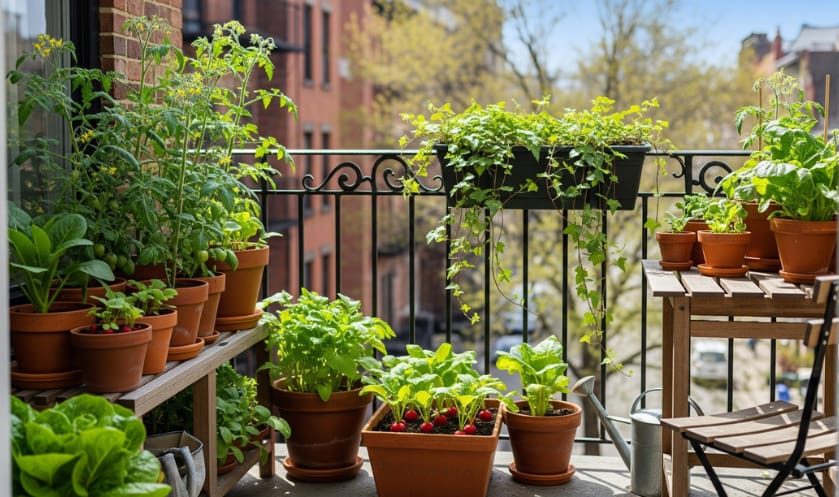
There’s no rule that says you must grow your own sabzi.
But if you miss the Feb–Apr spring window, here’s what usually happens: seeds sulk in hot soil, leafy greens bolt overnight, and you end up buying summer veggies at peak prices… while your pots sit there doing nothing.
- Which vegetables actually thrive in Indian spring windows—and which ones quietly fail once March heat kicks in
- The exact February–April sowing timeline, broken down for North, South, East, West, and hill climates
- Minimum pot depth and size required for each vegetable so roots develop properly instead of stalling
- How much sunlight each crop truly needs, especially for balconies with harsh afternoon heat
- Realistic germination and harvest timelines so expectations match real results
- The most common spring planting mistakes urban gardeners make—and how to fix them fast
- How to choose vegetables based on your sunlight, pot space, and city heat instead of guesswork
- Which fast-growing greens give quick wins, and which long-harvest vegetables are worth the patience
Spring planting isn’t “just gardening.” It’s timing.
And timing is the difference between a 25-day harvest and a three-month regret.
So if you want a balcony-friendly, India-specific list of spring season vegetables that actually work in pots (with sowing months, pot depth, sunlight, harvest days, and quick fixes) you’re in the right place.
The Best spring season vegetables in India (Feb–Apr), Chaulai (Amaranthus), Palak (Spinach), Chukandar (Beetroot), Mooli (Radish), Tamatar (Tomato), Mirchi (Chilli), Baingan (Brinjal), and Dhania (Coriander).
Pick based on your sunlight + your pot size + your city heat by March (that’s the whole game).
At-A-Glance: What To Sow, Where, And How Fast You’ll Harvest
(Balcony-friendly ranges; microclimates vary—use this as a reliable starting point.)
| Vegetable | Best Sowing Time (India) | Pot Depth | Sunlight | Germination | First Harvest |
|---|---|---|---|---|---|
| Amaranthus (Chaulai) | Feb–Apr | 6–8 in | 4–6 hrs | 3–7 days | 20–30 days |
| Spinach (Palak) | Feb–Mar | 6–8 in | 3–5 hrs | 5–10 days | 25–35 days |
| Beetroot (Chukandar) | Feb–Apr | 10–12 in | 5–7 hrs | 7–14 days | 50–70 days |
| Radish (Mooli) | Feb–Mar | 8–10 in | 4–6 hrs | 3–7 days | 25–45 days |
| Tomato (Tamatar) | Feb–Mar | 12–14 in | 6–8 hrs | 6–10 days | 60–90 days |
| Chilli (Mirchi) | Feb–Apr | 10–12 in | 6+ hrs | 7–14 days | 70–120 days |
| Brinjal (Baingan) | Feb–Apr | 14–16 in | 6–8 hrs | 7–14 days | 70–100 days |
| Coriander (Dhania) | Feb–Mar | 6–8 in | 3–5 hrs | 7–14 days | 25–35 days |
For a month-wise North vs South breakdown (super helpful when you’re unsure), use Urvann’s planting calendar here: What Vegetables To Grow Each Month In India: Complete Calendar.
8 Best Vegetables To Plant In Spring (With Exact Pot + Care Specifics)
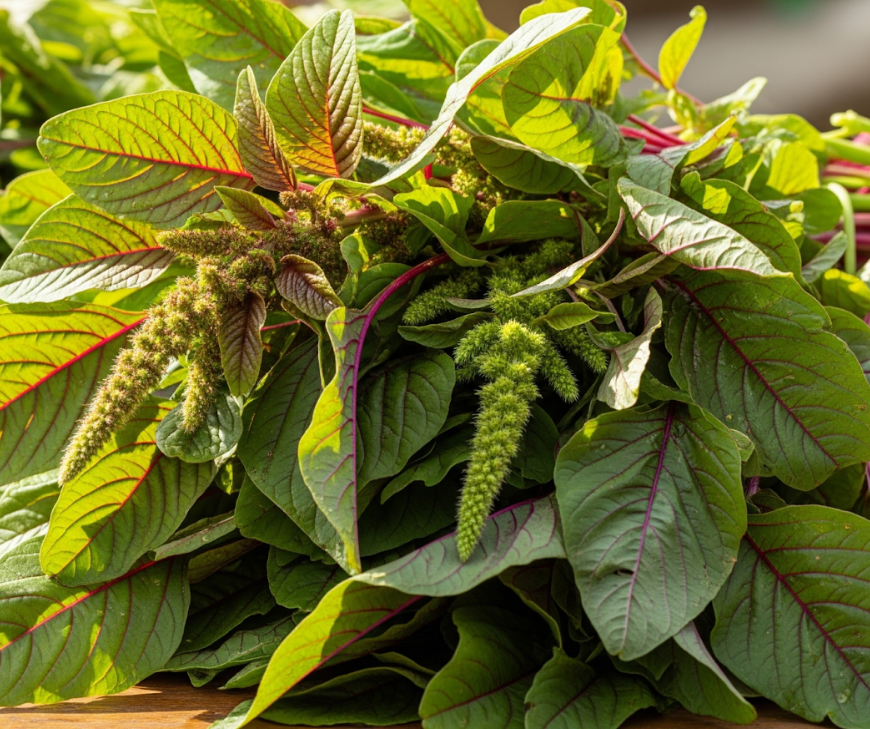
1) Amaranthus (Chaulai / Thotakura): The “I Want Results Fast” Green
Why it wins in spring: Heat-tolerant leafy green that doesn’t panic when March gets serious.
- Best sowing (India): Feb–Apr (earlier in South/coastal; later in North if Feb is still cool)
- Pot size: Wide pot/tray, 6–8 inch depth
- Sun: 4–6 hours (morning sun = best)
- Germination: 3–7 days
- Harvest: 20–30 days (cut-and-come-again)
Common issue (and fix):
- Leggy seedlings? Too little light. Move to brighter morning sun + thin seedlings early.
Buy Amaranthus seeds here at just ₹25
2) Spinach (Palak): The Balcony Staple That Forgives Beginners
.png "Spinach (Palak)")
Why it wins in spring: Fast, nutritious, and perfect for small spaces, especially if you start before the real heat.
- Best sowing: Feb–Mar in most cities (in hotter zones, go earlier)
- Pot size: 6–8 inch depth, roomy width
- Sun: 3–5 hours (partial sun works)
- Germination: 5–10 days
- Harvest: 25–35 days (pick outer leaves)
Spinach sowing windows are commonly shared as cool-to-moderate season timing across Indian cultivation guides, and spring is a workable bridge in many regions before peak summer.
Common issue (and fix):
- Leaves turning bitter / plant bolting? Heat stress. Give afternoon shade + keep soil evenly moist.
Buy a set of 5 Spinach / Palak plants here for just ₹99
3) Beetroot (Chukandar): Reliable Spring Root Crop
.png "Beetroot (Chukandar)")
Why it wins in spring: Beetroot thrives in mild spring temperatures, grows well in containers, and gives you a dual harvest (tender greens and sweet roots) before peak summer heat sets in.
- Best sowing: Feb–Apr (earlier in South & coastal regions; Feb–March in hotter North Indian cities)
- Pot size: 10–12 inch depth (deep, loose soil helps roots form evenly)
- Sun: 5–7 hours of direct sunlight
- Germination: 7–14 days
- Harvest: 50–70 days (greens can be harvested earlier)
Common issue (and fix)
- Big leaves but small roots? This usually happens due to overcrowding or compact soil. Thin seedlings early and use a loose, well-draining potting mix.
Buy Beetroot (Chukandar) seeds here at just ₹25
4) Radish (Mooli): Fastest Root Crop For Small Pots
.png "Radish (Mooli)")
Why it wins in spring: Quick harvest, shallow-ish roots, and super satisfying for first-timers.
- Best sowing: Feb–Mar (avoid late spring heat for best roots)
- Pot size: 8–10 inch depth (deeper = straighter radish)
- Sun: 4–6 hours
- Germination: 3–7 days
- Harvest: 25–45 days (depending on variety)
Common issue (and fix):
- Radish is all leaves, tiny root? Crowding + low light. Thin seedlings early and don’t overwater.
Buy Radish seeds here at just ₹25
5) Tomato (Tamatar): Spring’s “Main Character”
.png "Tomato (Tamatar)")
Why it wins in spring: If you start in Feb–Mar, you get a strong plant before peak summer/monsoon swings.
- Best sowing: Feb–Mar (start in tray, transplant at 4–6 true leaves)
- Pot size: 12–14 inch depth (bigger pot = bigger harvest)
- Sun: 6–8 hours minimum
- Germination: 6–10 days
- Harvest: 60–90 days
Tomato timing guidance in India is commonly presented as seasonal/region-based, with early sowing + transplanting patterns used to match temperature windows.
Common issue (and fix):
- Flowers dropping? Heat + inconsistent watering. Water on schedule, mulch, and keep the plant evenly moist.
Buy Tomato seeds here at just ₹25
6) Chilli (Mirchi): The Long Game That Keeps Giving
.png "Chilli (Mirchi)")
Why it wins in spring: Chillies love warmth and do brilliantly in pots when you don’t drown them.
- Best sowing: Feb–Apr
- Pot size: 10–12 inch depth
- Sun: 6+ hours
- Germination: 7–14 days
- Harvest: 70–120 days (then keeps producing)
Common issue (and fix):
- Curling leaves? Often sucking pests. Check undersides, rinse with water spray, and use neem-based control if needed (avoid harsh chemicals in balconies).
Buy Chilli / Mirchi seeds here at just ₹25
7. Brinjal (Eggplant): Heavy Producer, Long Harvest Season
.png "Brinjal (Eggplant)")
Why it wins in spring: Brinjal establishes fast in spring warmth, thrives in pots, and once it starts fruiting, it keeps going—perfect for an “urban sabzi garden.”
- Best sowing: Feb–Apr (Feb–Mar is ideal in many regions; April works if your balcony gets strong sun)
- Pot size: 14–16 inch depth (or large grow bag); add a small stake for support once it grows tall
- Sun: 6–8 hours
- Germination: 7–14 days
- Harvest: 70–100 days (varies by variety; continues fruiting after first harvest)
Common issue (and fix):
- Leaves look great, but fruits drop or stay small? Often under-sun + inconsistent watering. Give full sun, water steadily, and don’t let the pot dry out completely between waterings.
Buy Brinjal/Baingan seeds here at just ₹25
8) Coriander (Dhania): Everyday Green, Fast & Foolproof
.png "Coriander (Dhania)")
Why it wins in spring: Coriander thrives in mild spring weather, grows quickly in small pots, and gives you fresh leaves before summer heat causes bolting.
- Best sowing: Feb–Mar (early spring is ideal; avoid late April in hot cities)
- Pot size: 6–8 inch depth (wide pots work better than deep ones)
- Sun: 3–5 hours (morning sun preferred)
- Germination: 7–14 days (crush seeds lightly before sowing for better results)
- Harvest: 25–35 days (cut outer leaves regularly)
Common issue (and fix):
- Plants flowering too early? That’s heat stress. Sow early in spring, give partial shade, and keep the soil consistently moist.
Buy Coriander/Dhaniya nursery bag here at just ₹29
Regional Spring Planting Calendar: North, South, East & West India (Simple But Specific)
Use this as a quick “do I sow now?” check:
North India (plains: Delhi-NCR, Jaipur, Lucknow, etc.)
- Feb: leafy greens + start tomato/chilli in trays
- Mar: shift to beans, cucumber, gourds
- If March afternoons start hitting 32–35°C, give afternoon shade to spinach/radish.
North hills (Shimla-side climates, higher elevation)
- Spring behaves like “an extended cool season.” Leafy greens stay happy longer; warm-season crops start later.
South India (Bengaluru, Chennai, Hyderabad, coastal belts)
- Warm-season crops can start earlier; by Feb you can already go stronger on chilli/okra-style warmth lovers. Urvann’s month-wise North vs South framing is a good baseline.
East India (humid: Kolkata-side conditions)
- Humidity boosts cucurbits—just keep airflow to prevent fungal issues.
West India (dry heat: Ahmedabad, parts of Rajasthan/Gujarat belts)
- Prioritise heat-tolerant crops (amaranthus, cluster beans, chilli). Mulch is your best friend.
For a month-by-month view (North vs South + pots), bookmark this:
Growing Spring Vegetables In Pots Or Balconies (The Non-Negotiables)
If you remember only 5 things, remember these:
- Bigger pot = fewer problems. Tomato/cucumber/gourds hate cramped roots.
- Morning sun is gold. Afternoon sun can be cruel in March/April.
- Drainage > fertiliser. 2–4 drainage holes, always.
- Thin seedlings early. Crowding is the #1 reason “nothing grew.”
- Go vertical. Beans/cucumber/tinda love grills, strings, and simple trellises.
Helpful internal picks (no clutter, just essentials):
- Potting mix for containers
- Basic hand tools set
- Browse pots categories (pots/grow bags/trays, etc.)
Watering, Sunlight & Pest Tips For Spring Gardens (Avoid The Common Mistakes)
Common mistake #1: Overwatering seeds
- Keep soil moist, not soggy. If the surface looks like a swamp, seeds rot.
Common mistake #2: “Full sun” misunderstood
- Many balconies get harsh afternoon sun. For leafy greens, 3–5 hours of morning sun is often better than 8 hours of heat.
Common mistake #3: No thinning
- Thin to spacing early, especially radish and amaranthus. You’re not “wasting” plants; you’re saving the harvest.
Pest reality check (balcony-safe):
- First line of defence: inspect undersides, spray water jet, and remove badly affected leaves.
- If needed, choose gentle, plant-safe controls and avoid overdoing chemicals in edible gardens.
Your Urban Forest Starts This Spring
Spring isn’t a season. It’s your best window to turn “I should start someday” into fresh sabzi on your plate. One pot can be a hobby. Three pots can be a habit. Five pots can be a mini forest.
Start simple. Fast greens like amaranthus, spinach, coriander, or radish give you quick wins and momentum. Add a steady producer like beetroot. Let long-harvest plants such as chilli, tomato, or brinjal become the backbone of your spring garden.
When you’re ready:
- Use the month-wise India calendar to lock the timing
- Then pick your seeds from Urvann
Grow slow. Grow steady.
And let this spring be the season your urban Vann (forest) truly begins.
Questions People Also Ask About Vegetables To Plant In The Spring
1. Which vegetables grow best in the spring in India?
Amaranthus, spinach, beans, radish, tomato, chilli, cucumber, and tinda are strong spring performers, especially Feb–Apr when matched to your local heat pattern.
2. What are the easiest vegetables to grow in spring?
Amaranthus, spinach, and radish, because they’re fast, forgiving, and work in smaller pots.
3. Which vegetables to grow in April in India?
April is great for heat-lovers: beans, chilli, cucumber, gourds, and heat-tolerant greens like amaranthus.
4. Can I grow tomatoes in pots in the spring?
Yes. Use a 12–14-inch pot, full sun, consistent watering, and support stakes.
5. Can I grow a cucumber in pots?
Yes. Choose a 12–14-inch pot and train it vertically on a trellis.
6. What are the most common mistakes in spring planting?
Overwatering seeds, not thinning seedlings, using too-small pots for fruiting veggies, and ignoring afternoon heat.
Sitesh gupta
2/3/2026, 02:39 PMWhich vegetables actually thrive in Indian spring windows—and which ones quietly fail once March heat kicks in